Jump to What Matters Most
If you've missed a period and are waiting for that first hint of pregnancy, the silence can be deafening. You're not alone in asking how soon symptoms appear. From my chats with dozens of women over the years, I've learned that the answer isn't a neat one-size-fits-all. But here's the straight talk: for most, early pregnancy symptoms start to creep in within 5 to 14 days after a missed period. That's roughly weeks 4 to 6 of pregnancy. Let's break down what that really looks like, because the internet is full of vague promises that don't match real life.
I remember with my first pregnancy, I spent days staring at my body for clues after a positive test. Nothing happened for a week, and I panicked. Then, like clockwork, the nausea hit one morning. It's that unpredictable gap that causes so much anxiety. This guide will walk you through the realistic timeline, the signs to watch for, and the factors that can speed up or delay the whole process. We'll also tackle what it means if you're not feeling anything—a scenario that's more common than you might think.
The Typical Timeline: When Symptoms Kick In
Think of early pregnancy symptoms as a gradual rollout, not a sudden switch. After fertilization, it takes about 6-12 days for the embryo to implant in the uterus. Once implanted, your body starts producing human chorionic gonadotropin (hCG), the hormone that pregnancy tests detect and that triggers symptoms. According to resources from the American College of Obstetricians and Gynecologists, hCG levels double every 48-72 hours in early pregnancy, which is why symptoms often intensify over days.
Here's a week-by-week breakdown based on the date of your missed period. Keep in mind, a "missed period" usually means you're about 4 weeks pregnant (counting from the first day of your last menstrual period).
| Time After Missed Period | What's Happening in Your Body | Common Symptoms You Might Notice |
|---|---|---|
| 1-3 days | hCG levels are still low, often below 100 mIU/mL. Many women won't feel anything yet. | Possibly mild cramping or spotting (implantation bleeding), but often nothing. |
| 4-7 days | hCG rises rapidly. For some, it's enough to trigger early signs. | Breast tenderness, fatigue, mild nausea, frequent urination. |
| 1-2 weeks | hCG levels climb higher, influencing various body systems. | More pronounced nausea (morning sickness), food aversions, mood swings, bloating. |
| Beyond 2 weeks | Symptoms may peak around weeks 6-8 as hCG peaks. | Strong nausea, vomiting, heightened sense of smell, exhaustion. |
A mistake I see many make is comparing their timeline to a friend's. One woman might feel queasy just 3 days after a missed period, while another feels perfectly fine for two weeks. Hormone sensitivity plays a huge role. If your body is quick to respond to hCG, you'll notice symptoms earlier. If not, you might have a symptom-free window that's perfectly normal.
A Closer Look at Weeks 4 to 6
Let's zoom in on those critical early weeks. At week 4 (right around your missed period), you might experience light cramping or spotting—this is often mistaken for an early period. By week 5, fatigue can hit hard. I recall feeling like I'd run a marathon after just a normal day at work. Breast changes, like tenderness or swelling, are also common here. Week 6 is when morning sickness often makes its grand entrance. But here's a non-consensus point: not everyone gets nausea. About 20-30% of pregnant women escape it entirely, according to data from the Mayo Clinic. So if you're not throwing up, don't assume something's wrong.
A Rundown of Common Early Pregnancy Symptoms
Early pregnancy symptoms can mimic PMS, which adds to the confusion. But there are subtle differences. Here's a list of the most frequent signs, ranked by how soon they typically appear after a missed period. This isn't a checklist—you might get all, some, or none.
- Breast tenderness: Often one of the first signs. It can start within days of a missed period. The tenderness is usually more intense than PMS, with nipples feeling sore or sensitive.
- Fatigue: That overwhelming tiredness. It's caused by rising progesterone levels and increased metabolic demands. Can kick in by the end of the first week.
- Nausea with or without vomiting: Classic morning sickness, though it can strike any time. Usually appears 1-2 weeks after a missed period. For some, it's just a queasy feeling; for others, it's full-blown vomiting.
- Frequent urination: As your uterus expands and blood flow increases, you'll be running to the bathroom more. This often starts around week 4-5.
- Food aversions or cravings: Suddenly, the smell of coffee makes you gag, or you crave pickles at midnight. These can emerge early, sometimes within the first week.
- Mood swings: Hormonal fluctuations can cause emotional ups and downs. You might feel tearful or irritable without obvious reason.
- Bloating and constipation: Progesterone slows digestion, leading to gas and bloating. This can start early and persist.
I've had clients who noticed only one symptom, like a metallic taste in their mouth, and that was their sole clue. Others had a whole symphony of signs. The key is to track what's new for you. If you normally get breast tenderness before your period but this time it's sharper and lasts longer, that's a hint.
Personal note: With my second pregnancy, my first symptom was a sudden aversion to my favorite pasta sauce—just 5 days after my missed period. No nausea, no fatigue, just that weird food turn-off. It taught me that symptoms can be sneaky and highly individual.
Why Your Experience Might Be Different: Key Factors
Why do some women feel symptoms immediately, while others wait weeks? It's not random. Several factors influence the timeline, and understanding these can ease your mind.
- hCG levels and doubling rate: If your hCG rises quickly, symptoms may appear sooner. But a slower rise doesn't indicate a problem—it's just your body's pace.
- Individual hormone sensitivity: Some bodies are more reactive to hormonal changes. Genetics can play a role here.
- Previous pregnancies: In subsequent pregnancies, women often notice symptoms earlier. Your body "remembers" the process, so it might respond faster.
- Stress and lifestyle: High stress can mask or amplify symptoms. Lack of sleep or poor diet might make fatigue worse.
- Underlying health conditions: Conditions like polycystic ovary syndrome (PCOS) or thyroid issues can affect hormone levels and symptom onset.
A common misconception is that stronger symptoms mean a healthier pregnancy. Not true. Research from the National Institutes of Health shows that symptom severity doesn't correlate with pregnancy outcomes. You can have a perfectly healthy pregnancy with mild or no symptoms.
The Multiparity Effect: A Subtle Detail
Here's a nuance many miss: if you've been pregnant before, you might become hyper-aware of early signs. You're tuned in to subtle changes, so you notice symptoms sooner. But objectively, the hormonal timeline is similar. I've seen women in their second pregnancy swear they felt something days before a missed period—it's often a mix of heightened awareness and actual early shifts.
What If You Don't Have Symptoms Yet?
This is a huge source of anxiety. You've missed a period, maybe even had a positive test, but you feel completely normal. Is that okay? Absolutely. Up to 30% of women have minimal symptoms in the first trimester, based on clinical observations. The absence of symptoms doesn't mean the pregnancy isn't progressing.
Let's walk through a scenario. Sarah, a 32-year-old, had a positive pregnancy test a week after her missed period. She felt fine—no nausea, no fatigue. She worried for days, thinking something was wrong. But at her 8-week ultrasound, everything was perfect. Her hCG levels were rising normally; her body just wasn't reacting with obvious signs. This is more common with first pregnancies or in women with higher pain tolerance.
When should you be concerned? If you had symptoms that suddenly disappear, along with severe cramping or bleeding, contact your healthcare provider. But if you never had symptoms to begin with, it's likely just your unique physiology. The best course is to confirm the pregnancy with a healthcare professional and follow their guidance.
I always advise keeping a simple journal. Note any slight changes—energy levels, appetite, moods. Sometimes symptoms are so mild you overlook them until you look back.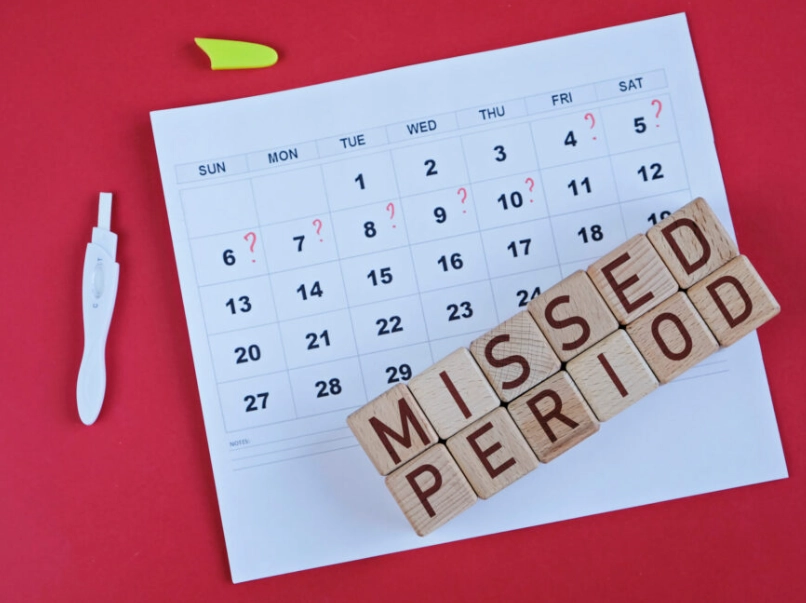
Your Burning Questions Answered
Wrapping up, the timeline for pregnancy symptoms after a missed period is a personal journey. Most women notice changes within two weeks, but variations are normal. Focus on confirming your pregnancy with a healthcare provider and taking care of your body. Whether you're symptom-free or dealing with morning sickness, trust that your experience is valid. For more authoritative information, check out resources from the American Pregnancy Association or consult your obstetrician.
Reader Comments