In This Guide
- The Non-Negotiable List: What to Avoid During First Trimester Completely
- The Food Safety Minefield: What to Avoid During First Trimester in Your Kitchen
- Medications, Supplements, and Herbal Remedies
- Your Daily Life: Activities and Environmental Hazards
- Common Questions About What to Avoid During First Trimester
- Putting It All Together: A Mindset for the First Trimester
Let's be real. That positive test result sends a wave of emotions—joy, excitement, and almost immediately, a tidal wave of anxiety. Suddenly, every single thing you eat, drink, or do feels like a potential landmine. I remember feeling utterly overwhelmed scrolling through endless lists of what to avoid during first trimester. Some advice was clear, some was contradictory, and some just sounded like old wives' tales.
It doesn't have to be so confusing. The first trimester (those crucial first 13 weeks) is a period of incredibly rapid development for your baby. Major organs, the neural tube, and tiny limbs are forming. While your body is doing the extraordinary work of building a human, it makes sense to be mindful of your environment and habits. But the goal isn't to live in a bubble of fear. The goal is informed, practical caution.
This guide cuts through the noise. We'll talk about the non-negotiables, the "better-safe-than-sorry" items, and the stuff you can probably stop worrying about. We'll look at food, daily habits, medications, and even some hidden risks you might not have considered. Think of this as a conversation with a well-researched friend who's been there, not a scary medical textbook.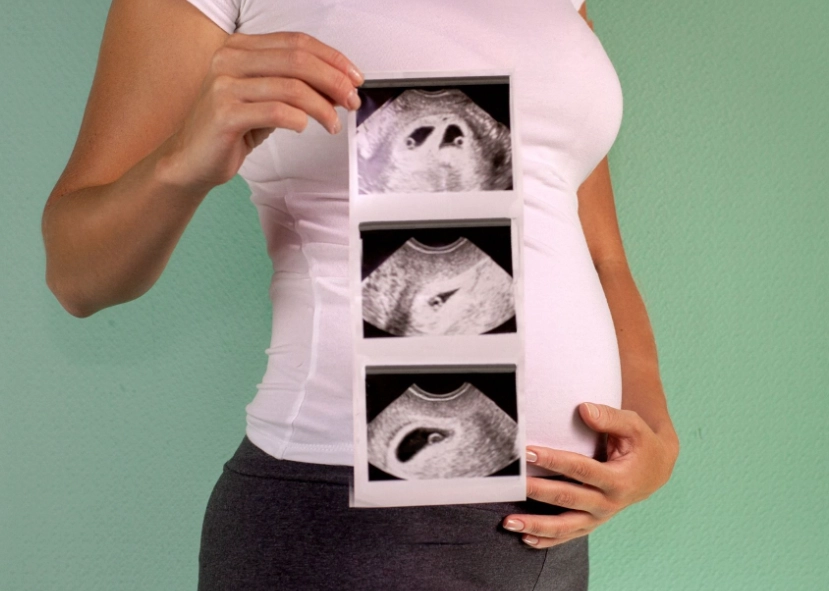
Important Note First: I'm sharing information compiled from reputable medical sources and collective experience, but I am not a doctor. Your healthcare provider knows you and your pregnancy best. This guide is a starting point for your discussions with them. Always, always follow their personalized advice.
The Non-Negotiable List: What to Avoid During First Trimester Completely
Some things have well-established risks. Let's get these out of the way first because they're the big ones.
Alcohol and Recreational Drugs
This is the big one. There is no known safe amount of alcohol during pregnancy. When you drink, alcohol passes through your placenta to your baby, who cannot process it like an adult can. This can lead to Fetal Alcohol Spectrum Disorders (FASDs), which include a range of lifelong physical, behavioral, and intellectual disabilities. The risk is highest in the first trimester when major development is happening. The safest choice is zero alcohol, from the moment you start trying to conceive. The CDC provides clear guidance on this.
As for recreational drugs—cocaine, heroin, methamphetamine, marijuana—the risks are severe and include miscarriage, stillbirth, low birth weight, placental problems, and neonatal withdrawal syndrome. If you're struggling with substance use, talking to your doctor confidentially is the most important step you can take for yourself and your baby.
Smoking and Vaping
Nicotine, whether from cigarettes, e-cigarettes, or vaping devices, is a powerful vasoconstrictor. It narrows blood vessels, reducing the flow of oxygen and essential nutrients to your baby. This can cause miscarriage, ectopic pregnancy, premature birth, low birth weight, and birth defects like cleft lip/palate. Secondhand smoke is also a risk. Quitting is hard, I get it, but pregnancy is a powerful motivator. Your doctor can connect you with safe resources and support programs.
High-Mercury Fish
Fish is great—it has protein, omega-3s, and other nutrients. But some large, predatory fish accumulate high levels of mercury, a metal that can harm a baby's developing nervous system and brain.
So, what's off the menu? Steer clear of:
- King Mackerel
- Marlin
- Orange Roughy
- Shark
- Swordfish
- Bigeye Tuna (often used in sushi)
- Tilefish from the Gulf of Mexico
You can still enjoy up to 8-12 ounces (2-3 servings) per week of lower-mercury choices like salmon, shrimp, pollock, tilapia, catfish, and canned light tuna. The FDA has a great chart to help you choose safely.
I craved tuna sandwiches like crazy. I stuck with canned light tuna and limited it to once a week. It felt like a good compromise that kept me sane and my baby safe.
The Food Safety Minefield: What to Avoid During First Trimester in Your Kitchen
Foodborne illnesses (like Listeria, Toxoplasma, and Salmonella) are more than just a bad stomach bug in pregnancy. They can cross the placenta and cause serious problems, including miscarriage, stillbirth, and preterm labor. Your immune system is slightly suppressed during pregnancy, making you more susceptible. The key is avoiding foods where these pathogens commonly lurk.
| Food Category | Avoid / Be Cautious Of | Safe Alternatives | Reason |
|---|---|---|---|
| Deli & Processed Meats | Unheated hot dogs, cold cuts, deli meats, pâté, refrigerated meat spreads. | Meats heated to steaming hot (165°F). Canned or shelf-stable pâté/spreads. | Risk of Listeria, which can grow at refrigerator temperatures. |
| Raw/Undercooked Animal Products | Rare steak, sushi/sashimi with raw fish, raw oysters/clams, ceviche, unpasteurized eggs (in some sauces/dressings). | Well-cooked meat/fish (145°F for fish, 160°F for ground meat, 165°F for poultry). Sushi with cooked fish/vegetables. Pasteurized eggs. | Risk of Salmonella, E. coli, and parasites. |
| Unpasteurized (Raw) Dairy/Juice | Raw milk, cheeses made from raw milk (like some Brie, Camembert, feta, queso fresco/blanco). Unpasteurized cider/juice. | All pasteurized milk, yogurt, and cheese. Check labels—most hard cheeses (cheddar, parmesan) are safe even if made from raw milk due to low moisture. | Risk of Listeria, E. coli, Salmonella. |
| Raw Sprouts | Alfalfa, clover, radish, and mung bean sprouts. | Thoroughly cooked sprouts only. | Seeds can be contaminated with bacteria; warm, humid growing conditions promote growth. |
| Unwashed Produce | Any fruit or vegetable eaten raw without thorough washing. | All produce washed well under running water, even if you plan to peel it. | Risk of Toxoplasma from soil contamination. |
Honestly, the cheese one bummed me out. I missed my soft cheeses. But then I discovered many supermarkets carry pasteurized versions of Brie and Camembert—just read the label carefully.
Caffeine: How Much is Too Much?
You don't have to go cold turkey. Major health organizations like the American College of Obstetricians and Gynecologists (ACOG) agree that moderate caffeine intake (less than 200 mg per day) is not a major risk factor for miscarriage or preterm birth.
But what does 200 mg look like?
- One 12-oz cup of brewed coffee: ~120-180 mg
- One shot of espresso: ~64 mg
- One 8-oz cup of black tea: ~40-70 mg
- One 12-oz can of cola: ~30-40 mg
- Dark chocolate (1 oz): ~20 mg
The key is to count all sources. That morning latte, afternoon tea, and piece of chocolate all add up. I switched to half-caff coffee and found it was a perfect compromise to keep the ritual without the jitters or guilt.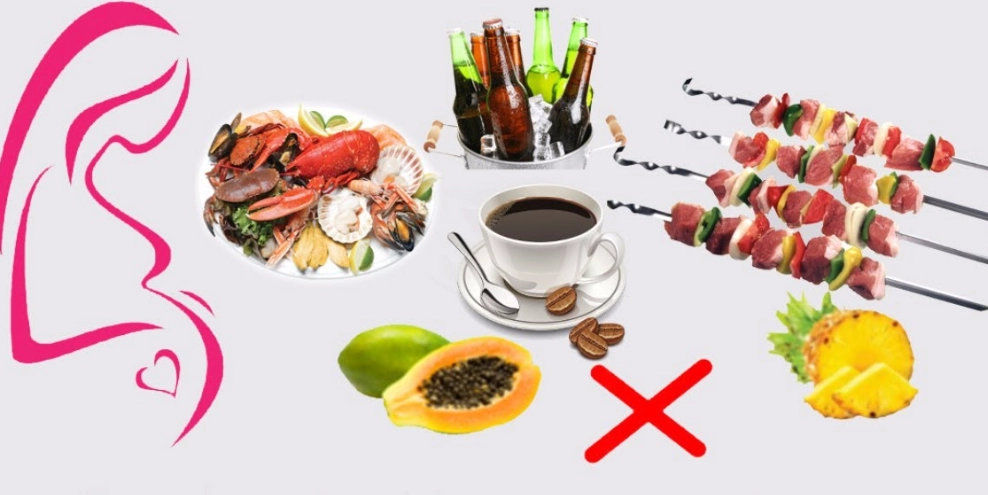
Medications, Supplements, and Herbal Remedies
This is a tricky area. You might have a headache or a cold and instinctively reach for your usual medicine. Stop. Not all over-the-counter (OTC) drugs are safe.
Golden Rule: Assume no medication (prescription, OTC, or herbal) is safe until you clear it with your doctor or pharmacist. This includes supplements you were taking before pregnancy.
Over-the-Counter Pain Relievers
- Acetaminophen (Tylenol): Generally considered the safest option for pain and fever during pregnancy when used as directed. However, recent studies suggest it's prudent to use it only when necessary and at the lowest effective dose for the shortest time. Discuss it with your doctor.
- NSAIDs (Ibuprofen/Advil, Naproxen/Aleve, Aspirin): Avoid these, especially in the first and third trimesters. In the first trimester, they may be associated with a slightly increased risk of miscarriage and birth defects. Later on, they can cause serious problems with the baby's heart and kidneys. Low-dose aspirin is sometimes prescribed by a doctor for specific conditions, but never take it on your own.
Prescription Medications
If you have a chronic condition (like epilepsy, depression, thyroid issues, or high blood pressure), do not stop your medication abruptly. Suddenly stopping can be more dangerous for you and the baby. Have an open conversation with your OB and the doctor who prescribes your medication before you conceive, or as soon as you know you're pregnant. They can weigh the risks and benefits and may switch you to a safer alternative.
Herbal Teas and Supplements
Just because it's "natural" doesn't mean it's safe. Many herbs have pharmacological effects and haven't been studied in pregnancy. It's best to avoid herbal supplements unless specifically recommended by a healthcare provider knowledgeable in prenatal care. Be cautious with large amounts of herbal teas as well.
Your Daily Life: Activities and Environmental Hazards
Beyond what you ingest, your daily environment and activities are part of learning what to avoid during first trimester.
Cat Litter and Garden Soil
This is about Toxoplasmosis, a parasite found in cat feces and soil. It can cause serious birth defects. You don't need to get rid of your cat! Just have someone else handle the litter box daily. If you must do it, wear disposable gloves and wash your hands thoroughly. Wear gloves for gardening, too.
High-Heat Environments
Prolonged exposure to high heat, like in hot tubs, saunas, or very hot baths, can raise your core body temperature. In the first trimester, this has been linked to an increased risk of neural tube defects. It's recommended to avoid hot tubs and saunas entirely. For baths, keep the water warm, not hot, and limit soaks to under 10 minutes.
Heavy Lifting and Strenuous Exercise
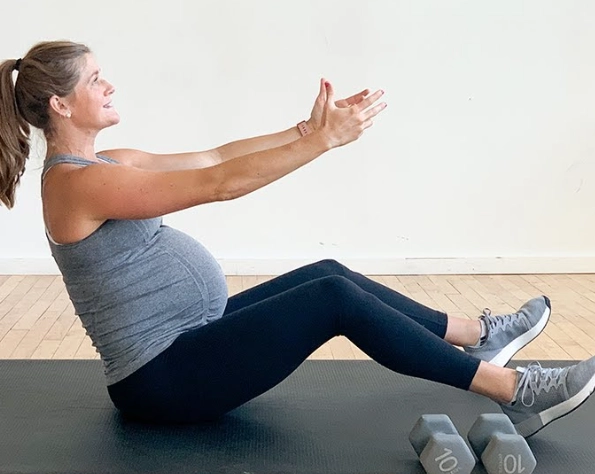
If you're used to it, moderate exercise is fantastic. But now is not the time to take up heavy powerlifting or train for an extreme endurance event. Avoid activities with a high risk of falling or abdominal trauma (like contact sports, horseback riding, downhill skiing). Listen to your body. Fatigue is real in the first trimester. A brisk walk or prenatal yoga is often a better choice than an intense HIIT session.
Chemical Exposures
Be mindful of strong fumes. This includes paint (especially oil-based), strong solvents, pesticides, and certain cleaning products. If you're painting a nursery, use low-VOC or zero-VOC paint, ensure excellent ventilation, and take frequent breaks. Let someone else handle strong chemical cleaners. Good old vinegar and baking soda can work wonders for basic cleaning.
Common Questions About What to Avoid During First Trimester
Most research suggests that the chemicals in modern hair dyes are minimally absorbed through the skin, making it likely safe, especially after the first trimester. However, to be extra cautious, many women wait until after week 12. If you're concerned, consider highlights (where the dye doesn't touch the scalp) or use ammonia-free, vegetable-based dyes. Good ventilation is key.
For most low-risk pregnancies, flying during the first trimester is generally considered safe. The bigger issues are comfort (nausea, fatigue) and access to healthcare if needed. Check airline policies, stay hydrated, get up and walk regularly on long flights to prevent blood clots, and wear compression socks. Always discuss travel plans with your doctor.
In a normal, low-risk pregnancy, sex is perfectly safe throughout, including the first trimester. It will not hurt the baby. However, libido can plummet due to fatigue and nausea, and that's completely normal. Communicate with your partner. If you experience bleeding or cramping after sex, mention it to your doctor to rule out other causes, but it's often just due to increased cervical sensitivity.
Everyday stress (a bad day at work, traffic) is not likely to cause harm. The concern is chronic, severe stress, which may be linked to issues like preterm birth or low birth weight. The first trimester is an emotional rollercoaster. Prioritize sleep, gentle movement, and talk to someone—your partner, a friend, or a therapist. Let go of the pressure to be a "perfectly zen" pregnant person. It's a myth.
Putting It All Together: A Mindset for the First Trimester
After all these lists, it's easy to feel paralyzed. I felt that way. Did I accidentally eat a piece of deli meat? Was that tea herbal? The anxiety can be consuming.
Here's the perspective shift that helped me: You are not trying to achieve a state of perfect, zero-risk purity. That's impossible. You are making a series of better, safer choices most of the time to significantly reduce known risks. The goal is harm reduction, not perfection.
If you slip up—you had a sip of wine before you knew you were pregnant, you ate a questionable cheese—don't spiral into panic. The risks are about patterns of exposure, not single, isolated events. Take a deep breath, note it for your next doctor's appointment for reassurance, and move forward with your new knowledge.
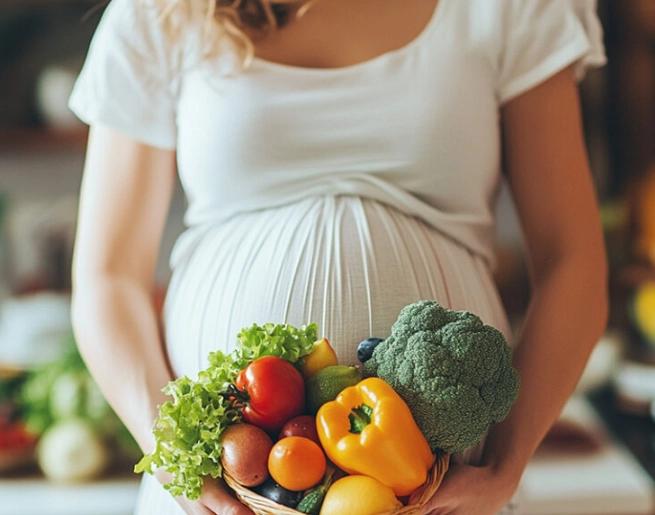
Focus on the positive things you can do: taking your prenatal vitamin with folic acid (crucial for preventing neural tube defects), eating nourishing foods when you can keep them down, drinking plenty of water, and resting. Your body is wise. You've got this.
Ultimately, understanding what to avoid during first trimester is about empowering yourself. It's about replacing fear with knowledge, so you can navigate these first few months with more confidence and less worry. Make the best choices you can with the information you have, partner with your healthcare team, and trust in your body's incredible ability to grow your baby.
Reader Comments