In This Guide
- The Pregnancy Kickoff: Understanding Your Cycle & Implantation
- The Detailed Timeline: From Implantation to Missed Period
- Diving Deeper: The Most Common Early Pregnancy Symptoms Explained
- Less Common (But Totally Normal) Early Signs
- When to Take a Pregnancy Test for an Accurate Answer
- What If You Feel No Symptoms At All?
- Red Flags: When to Call a Doctor Immediately
- Your Early Pregnancy Checklist: Next Steps After a Positive Test
- Wrapping It Up: The Real Answer to "How Soon?"
Okay, let's talk about it. That two-week wait after trying to conceive can feel like an eternity. You're hyper-aware of every little twinge, every shift in your mood, wondering, "Is this it? Could this be a sign?" The big question on everyone's mind is: how soon do pregnancy signs start for real? Not the stuff you see in movies, but the actual, tangible hints your body might give you.
I remember scrolling through forums at 3 AM, comparing my symptoms to strangers' stories. It was confusing. One person felt exhausted at 5 days past ovulation (DPO), another felt nothing until week 6. The truth is, there's a huge range of normal. But there is a general timeline, rooted in the biology of what's happening inside. This guide is my attempt to cut through the noise and give you a clear, honest, and detailed roadmap of what to expect and when. We'll talk about the science, the common symptoms, the weird ones nobody warns you about, and the big differences between an early sign and your regular pre-period funk.
The Core Truth Up Front: The absolute earliest physical pregnancy signs are tied to implantation, which typically happens 6-10 days after ovulation. Before that, biologically, there's no signal between the embryo and your body. So any "symptom" felt at 1-3 DPO is almost certainly related to progesterone (which rises after ovulation whether you're pregnant or not). The more classic symptoms like nausea and fatigue usually roll in closer to the time of your missed period, around 4-6 weeks of pregnancy.
The Pregnancy Kickoff: Understanding Your Cycle & Implantation
To really grasp the "when," we need a quick biology refresher. Don't worry, I'll keep it simple.
Ovulation is when your ovary releases an egg. If sperm is present, fertilization can happen in the fallopian tube within about 24 hours of ovulation. This creates a teeny-tiny ball of cells called a zygote, which starts dividing and traveling toward your uterus. This journey takes about 3-4 days. Once it arrives, it needs to burrow into the lush uterine lining. This burrowing process is implantation.
Implantation is the key event that triggers the very first pregnancy signs. Why? Because once the embryo attaches, it starts producing the pregnancy hormone hCG (human chorionic gonadotropin). This hormone is what home pregnancy tests detect, and it's also the chemical messenger that tells your corpus luteum (the leftover follicle from ovulation) to keep pumping out progesterone and estrogen. This sustained hormone surge is what starts causing all those physical changes.
So, When Does Implantation Happen?
Most sources, including the American College of Obstetricians and Gynecologists (ACOG), note that implantation usually occurs between 6 and 10 days after ovulation. The most common day is around 9 DPO. This timeline is crucial for understanding the answer to how soon do pregnancy signs start.
Think of it this way:
Days 1-5 Post-Ovulation: The fertilized egg is traveling. No hormonal signal to your body yet.
Days 6-10 Post-Ovulation: Implantation window. This is when the earliest possible signs *might* occur.
Days 11-14 Post-Ovulation: If implantation was successful, hCG levels are now rising and may be detectable by a sensitive test. Early symptoms may become more noticeable.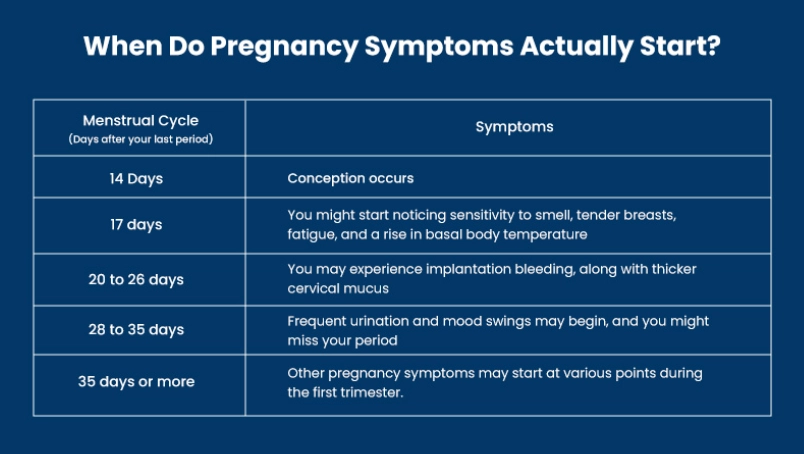
The Detailed Timeline: From Implantation to Missed Period
Here's a breakdown of what you might experience and when, based on days past ovulation (DPO). Remember, this is a general guide. Your mileage will vary, and that's perfectly okay.
| Timeframe (DPO) | What's Happening Biologically | Possible Signs & Symptoms | Notes & Real Talk |
|---|---|---|---|
| 1-5 DPO | Fertilized egg travels, cell division. No hormonal link to mother. | None related to pregnancy. Any symptoms are from post-ovulation progesterone rise (can mimic early pregnancy). | This is a big one. Progesterone after ovulation causes bloating, mood swings, and breast tenderness. It's cruel, but it makes symptom spotting before 6 DPO pretty unreliable. |
| 6-10 DPO (Implantation Window) | Embryo implants into uterine lining. hCG production begins. |
| Only about 1/3 of women experience noticeable implantation bleeding. The cramping is often described as "twinges" or "pokes." The BBT dip ("implantation dip") is not a guaranteed sign. |
| 11-14 DPO (Pre-Missed Period) | hCG levels double every 48-72 hours. Hormone levels rise significantly. |
| This is when many women first get their answer. The fatigue is no joke—it's a deep cellular exhaustion. Breast pain can be severe, like a bruise. This period is key for anyone asking how soon do pregnancy signs start before a missed period. |
See? It's a process. Nothing magical happens the day after conception. Your body needs time to get the message and start responding.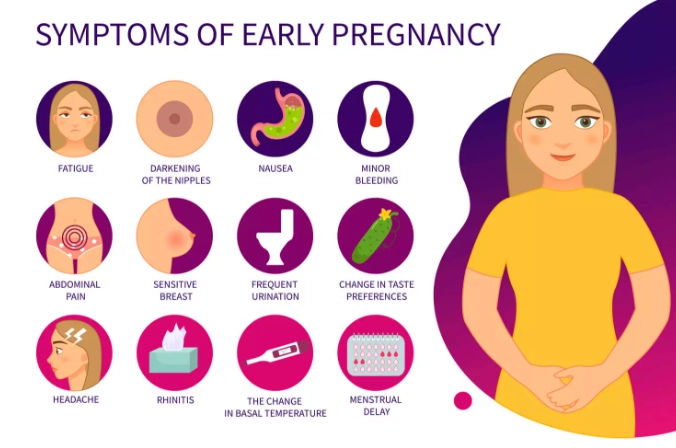
Diving Deeper: The Most Common Early Pregnancy Symptoms Explained
Let's unpack some of these big-ticket items. Knowing what they actually feel like can help you distinguish between a potential pregnancy sign and your regular cycle.
1. Fatigue That Knocks You Out
This isn't just "I had a long day" tired. It's a deep, bone-weary exhaustion that can hit you in the middle of the afternoon. Your body is building a placenta, your heart is pumping more blood, your hormones are surging—it's massive internal construction work. I've had friends who fell asleep at their desks by 2 PM. If you're suddenly needing naps for no reason, it's a notable clue.
2. Breast Tenderness and Changes
Yes, this happens before your period too. But early pregnancy tenderness often feels more intense, like a deep soreness or heaviness. The areolas (the area around the nipple) might look darker or feel bumpier (those are Montgomery's tubercles, and they're there to lubricate the area for future breastfeeding). The veins on your breasts might also become more visible. It's the combination and persistence that's telling.
3. Nausea (With or Without Vomiting)
Ah, "morning sickness," which is a terrible name because it can strike any time of day or night. This classic sign is driven by hCG and estrogen and usually peaks around weeks 9-10. But for some, that queasy, rolling-stomach feeling can start as early as 2-3 weeks after conception (around your missed period). Smells are often the biggest trigger—coffee, perfume, cooking meat. Not everyone gets it, though. About 20-30% of women sail through pregnancy without nausea, and that's normal too.
4. The Dreaded Two-Week Wait and Symptom Spotting
This is the psychological side of it all. When you're hoping to be pregnant, every little sensation gets magnified. A headache? Could it be a sign? A backache? Maybe! It's a torturous game. My best advice (easier said than done) is to try and distract yourself until you're at least 10-12 DPO. Testing too early leads to unnecessary confusion and disappointment because of low hCG or chemical pregnancies. The National Institutes of Health (NIH) library has resources on hCG levels that show how variable they can be early on.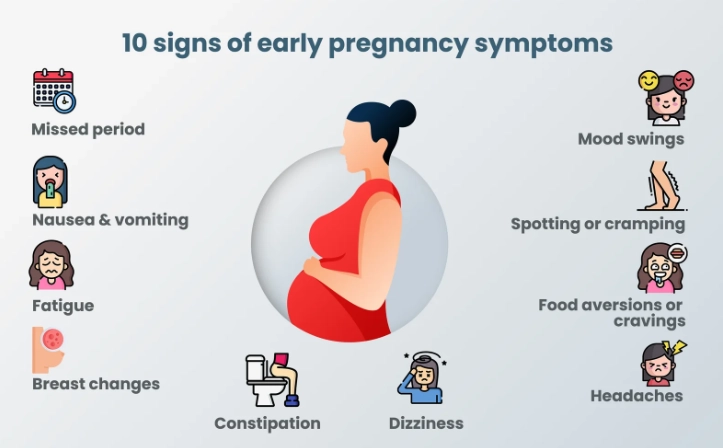
I'll be honest, during my own two-week waits, I was the worst at this. I'd convince myself a bit of gas was "implantation cramping." It's a mind game. Be gentle with yourself. The symptoms that are real are usually persistent and a bit different from your norm.
Less Common (But Totally Normal) Early Signs
These don't make it into every list, but they're surprisingly frequent on pregnancy forums.
- Constipation & Bloating: High progesterone slows down your digestive tract. It can start really early and be quite uncomfortable.
- Mood Swings: The hormone rollercoaster can make you feel euphoric one minute and tearful the next, often before you even know you're pregnant.
- Headaches: Increased blood volume and hormonal shifts can trigger mild, persistent headaches.
- Dizziness/Lightheadedness: Blood vessels dilate, blood pressure can drop a bit, leading to spells of dizziness.
- Elevated Basal Body Temperature (BBT): If you chart your BBT, your temperature will stay elevated past the usual 10-14 day luteal phase if you're pregnant. It's one of the more reliable early signs for charters.
When to Take a Pregnancy Test for an Accurate Answer
All this symptom speculation leads to one point: the test. Timing is everything.
The Rule: The most reliable time to test is on or after the day of your expected period. By then, if you are pregnant, hCG levels are typically high enough for any over-the-counter test to detect.
Early Testing: Some ultra-sensitive tests claim they can detect pregnancy 6 days before your missed period (around 8-9 DPO). While technically possible, testing this early greatly increases the chance of a false negative. Why? Because even if implantation happened, your hCG might not yet be at the test's detection threshold. A negative at 9 DPO doesn't rule out pregnancy.
My (Slightly Opinionated) Advice: If you can't stand the wait, try to hold out until 12 DPO. The result is far more likely to be accurate, saving you money and emotional turmoil from ambiguous faint lines or negatives that later turn positive. If you get a negative at 12-14 DPO but your period still doesn't arrive, test again in a couple of days.
What If You Feel No Symptoms At All?
This is a huge source of anxiety, but let me shout it: IT IS COMPLETELY NORMAL TO HAVE ZERO EARLY SYMPTOMS.
Really. Some women don't feel anything different until they're well into the second month. The absence of symptoms does not mean your pregnancy isn't healthy or progressing. Every body responds to hormones differently. Some are just more sensitive to the shifts than others. If you have a positive test but no symptoms, celebrate the easy start—don't panic!
Red Flags: When to Call a Doctor Immediately
While most early signs are just uncomfortable, some warrant immediate medical attention. If you have a confirmed or suspected pregnancy and experience any of the following, contact your healthcare provider right away:
- Severe abdominal/pelvic pain on one side, which could indicate an ectopic pregnancy.
- Heavy bleeding that soaks through a pad in an hour, like a heavy period.
- Severe dizziness or fainting.
- Sharp shoulder tip pain (a strange but serious sign of internal bleeding from an ectopic).
Trust your instincts. If something feels very wrong, get it checked out.
Your Early Pregnancy Checklist: Next Steps After a Positive Test
So you've got your positive! Congratulations! After the initial excitement, here's a practical list of what to do next:
- Call to Schedule Your First Prenatal Appointment. Many practices won't see you until you're 8-10 weeks along, but getting on the calendar is step one.
- Start (or Continue) Taking a Quality Prenatal Vitamin with at least 400 mcg of folic acid, as recommended by the CDC to prevent neural tube defects.
- Evaluate Your Lifestyle: Cut out alcohol, recreational drugs, and limit caffeine. Discuss any prescription medications with your doctor.
- Start Tracking: Note the first day of your last menstrual period (LMP)—this is how your due date will be estimated.
- Rest and Listen to Your Body. Don't push through the fatigue. Your body is doing important work.
Wrapping It Up: The Real Answer to "How Soon?"
So, after all this, how soon do pregnancy signs start in a nutshell? The very earliest whispers—implantation spotting or cramps—can happen 6-10 days after ovulation. But the more consistent, noticeable symptoms like fatigue, breast changes, and nausea typically cluster around the time your period is due (4-5 weeks of pregnancy).
The journey is different for everyone. Some get a textbook list of symptoms, some get one weird one (hello, metallic taste!), and some get none at all for weeks. None of these paths are wrong.
The best tool you have is a reliable pregnancy test taken at the right time. Try not to drive yourself crazy analyzing every cramp before then. Your body will tell you its story in its own time. Good luck on your journey!
Reader Comments