Quick Navigation
Let's be honest. That positive test result brings a tidal wave of emotions—joy, excitement, and then, almost immediately, a million questions. One of the biggest ones is about what to start taking when pregnant. You scroll online, ask friends, get advice from your mom, and end up more confused than before. Prenatal vitamins? Folic acid? Something with iron? Is it all just marketing?
I remember staring at the pharmacy shelf, completely overwhelmed. The bottles all promised a "healthy baby," but the labels were a blur of scientific names and percentages I didn't understand. I bought one, took it, and felt awful. Turns out, I picked one with a form of iron that just didn't agree with me. That's when I realized figuring out what to take when pregnant isn't a one-size-fits-all game.
The core idea is simple: Your body is doing the most incredible construction project imaginable. It needs specific, high-quality building materials. The goal of this guide is to translate those material lists (the nutrients) into plain English, so you can make confident choices without the headache.
The Absolute Must-Haves: Non-Negotiable Supplements
These are the supplements nearly every single healthcare provider on the planet will tell you to take. They're backed by decades of research for preventing serious complications. If you only do one thing after reading this, make it this section.
Folic Acid (or Folate): The Neural Tube Superhero
This is the superstar, the one you've probably heard of. Why the fuss? Folic acid is crucial in the very first weeks of pregnancy, often before you even know you're pregnant. It helps form the neural tube, which becomes your baby's brain and spine.
A deficiency is linked to neural tube defects like spina bifida. That's why the recommendation is to start taking it before you conceive. But if you're already pregnant, start today. Don't beat yourself up about the past, just begin now.
Key details:
- Dose: The standard recommendation is 400 to 800 micrograms (mcg) daily. If you have a family history of neural tube defects, your doctor may prescribe a much higher dose (4,000 mcg).
- Form: You'll see "folic acid" (the synthetic form) and "folate" (the natural form, often as methylfolate). Both work. Some people's bodies process methylfolate more easily, which is why you see it in "premium" prenatal vitamins. If you're just starting out, standard folic acid is perfectly fine and proven.
- Food sources too: Leafy greens, lentils, avocados, fortified cereals. But it's nearly impossible to get enough from food alone for pregnancy needs, hence the supplement.

Iron: For Your Blood Supply (and Energy)
Here's where many women hit a snag. Your blood volume increases by almost 50% during pregnancy to support the placenta and your growing baby. Iron is the key component of hemoglobin, which carries oxygen in your blood.
Without enough, you can become anemic—feeling exhausted, dizzy, and short of breath. I hated the iron in my first prenatal. It made me constipated and nauseous. I learned later that the type of iron matters a lot.
Iron Pro-Tip: Look for "gentle" or "slow-release" forms like ferrous bisglycinate. They are much better absorbed and cause far fewer stomach issues than the old-school ferrous sulfate. It can be a game-changer for tolerability.
Key details:
- Dose: Most prenatal vitamins contain around 27 milligrams (mg). Your doctor will check your iron levels (ferritin) and may prescribe more if you're anemic.
- Take it right: Take iron with vitamin C (like a glass of orange juice) to boost absorption. Avoid taking it with calcium-rich foods or drinks (like milk), tea, or coffee, as they can block absorption.
So, when you're figuring out what to start taking when pregnant, iron is a pillar. Don't skip it, but do choose a form that works for your body.
Vitamin D: The Sunshine Vitamin (That Most of Us Lack)
This one flies under the radar but is so important. Vitamin D helps your body absorb calcium, which is vital for building your baby's bones and teeth. It also supports your immune system and cell growth.
Many people are deficient, especially if you live in a northern climate, use sunscreen diligently, or have darker skin. Pregnancy increases the demand.
Key details:
- Dose: Recommendations vary. Many prenatal vitamins contain 400-1000 IU. However, organizations like the National Institutes of Health (NIH) note that higher intakes may be needed to maintain optimal blood levels. Your doctor can test your levels and advise. A common supplemental dose is 1000-2000 IU daily.
- Food & Sun: Fatty fish, egg yolks, fortified milk. Safe sun exposure helps, but it's often not enough to meet pregnancy needs.

Choosing Your Prenatal Vitamin: A Practical Checklist
Not all prenatal vitamins are created equal. Some are like a basic economy car, others are a loaded SUV with all the extras. Which one you need depends on your diet and your body.
Here’s a breakdown to help you compare. Think of this as your cheat sheet when you're standing in the aisle wondering what to start taking when pregnant.
| Nutrient | Why It's Important | Look For This Amount (Daily) | Notes & Personal Experience |
|---|---|---|---|
| Folic Acid / Folate | Prevents neural tube defects | 400 - 800 mcg | Non-negotiable. Methylfolate is a premium option. |
| Iron | Prevents anemia, supports blood volume | 27 mg | Ferrous bisglycinate is gentler. Can cause constipation. |
| Vitamin D | Bone health, immune function | 600 - 2000 IU | Many are deficient. I felt better on 2000 IU. |
| Calcium | Baby's bone/tooth development | 200 - 300 mg | Prenatals don't have enough (need ~1000mg total). Get the rest from food like yogurt, cheese, fortified plant milk. |
| DHA (Omega-3) | Baby's brain & eye development | 200 - 300 mg | Often NOT included. You may need a separate supplement from algae or fish oil. |
| Iodine | Thyroid function, brain development | 150 mcg | Critical but often forgotten. Check the label! If you use iodized salt, you may be covered. |
My take? A good mid-range prenatal covers the basics well.
Don't get sucked into the most expensive one with 50 ingredients unless you have a specific need. The fancy one with all the herbs made me feel weird, honestly. Sometimes simple is better. The goal is consistency—taking it every day is more important than the brand name.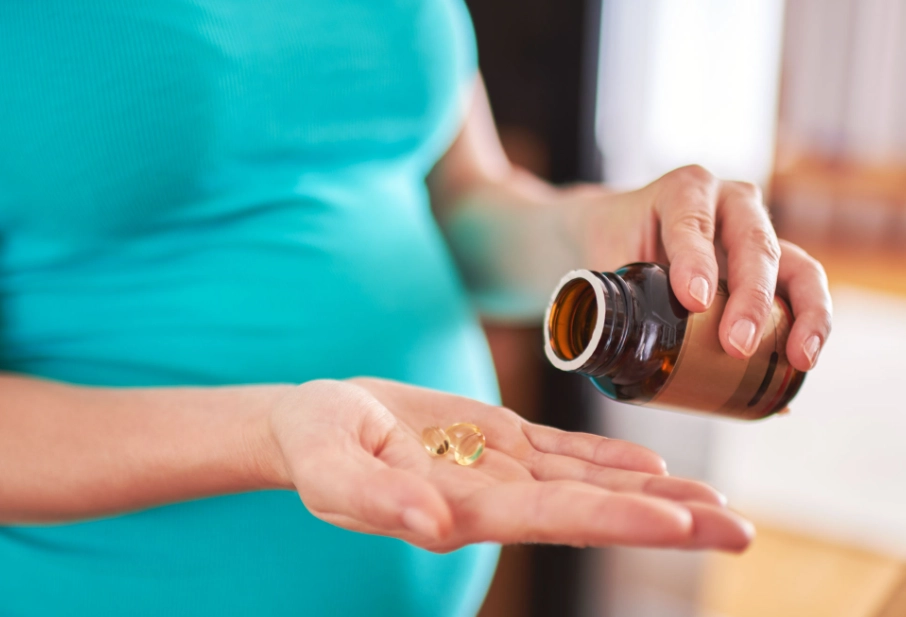
Nutrients You Can (and Should) Get From Food First
Pills are important, but they're supplements, not replacements. Your body absorbs nutrients from food much more efficiently. Think of food as the primary source and the prenatal vitamin as your insurance policy.
Calcium: More Than Just Milk
As the table shows, your prenatal vitamin likely only has a fraction of the 1,000 mg of daily calcium you need. Why? Calcium is bulky, and a pill containing it all would be a horse pill. Plus, it can interfere with iron absorption if taken together.
Food-first strategy:
- Dairy: Yogurt (Greek yogurt is packed), cheese, milk.
- Non-Dairy: Fortified plant milks (almond, oat, soy), canned sardines/salmon with bones (yes, the soft bones are edible and full of calcium!), tofu made with calcium sulfate, kale, bok choy.
Choline: The Brain-Booster Everyone Forgets
This is a big one that's finally getting attention. Choline is vital for your baby's brain development and helps prevent neural tube defects, similar to folic acid. Shockingly, most prenatal vitamins don't contain it, or have very little.
You really need to get this from food:
- Eggs (the yolk is key!)
- Lean beef and chicken
- Fish like salmon
- Dairy products
- Brussels sprouts, broccoli
If you're vegetarian or don't like eggs, you might want to talk to your doctor about a choline supplement. It's a genuine gap in many prenatal regimens.
Optional But Highly Beneficial: The "Nice-to-Haves"
These aren't strict requirements for everyone, but the research is compelling, and many women (myself included) find them helpful for specific issues.
Omega-3 DHA/EPA: For Baby's Brain and Your Mood
DHA is a major structural fat in the brain and retina. Studies suggest adequate intake is linked to better cognitive outcomes for babies and may even help lower the risk of postpartum depression for moms.
If your prenatal doesn't have it (most don't have enough), consider a separate supplement.
Choosing one:
- Fish Oil: Make sure it's purified and tested for heavy metals (mercury). A good brand will state this clearly.
- Algal Oil: This is a vegan source derived from algae. It's where the fish get their DHA from anyway! It's a great, sustainable option and what I switched to.
Probiotics: For Gut Health and Beyond
Pregnancy can do a number on your digestion. Probiotics can help maintain a healthy gut balance. Some research, like that cited by the National Center for Complementary and Integrative Health, explores their potential role in reducing the risk of gestational diabetes and preeclampsia, though more study is needed.
More concretely, some strains (like *Lactobacillus rhamnosus*) may help lower the risk of the baby developing eczema. I took a probiotic during my second pregnancy, mainly for digestion, and my kids have very different skin histories. Anecdotal, but interesting.
Look for a reputable brand that specifies the strains and CFU count. Not all probiotics are the same.
Common Questions (The Stuff You Actually Search For)
I'm so nauseous, I can't keep my prenatal down. What do I do?
This is the #1 practical problem. Taking a big, iron-heavy pill on an empty stomach is a recipe for misery.
- Timing: Take it right before bed with a small snack. You might sleep through the worst of the nausea.
- Form: Try a gummy prenatal. Most gummies don't contain iron (which is often the nausea culprit), so you'd need a separate, gentle iron supplement. But a gummy with folic acid is better than nothing.
- Talk to your doctor: They can prescribe a different formula or even anti-nausea medication. Suffering is not a requirement of pregnancy.
Do I need a special prenatal if I'm vegetarian/vegan?
Yes, you need to be more vigilant. Key things to look for:
- Vitamin B12: Absolutely essential, as it's only found in animal products. Your prenatal must have it.
- Iron: Plant-based (non-heme) iron is harder to absorb. Your prenatal should have a good amount, and you need to be diligent about pairing it with vitamin C.
- DHA: Choose an algal oil supplement.
- Calcium & Vitamin D: Ensure you're using fortified plant milks and getting enough sun/supplementation.
- Iodine: Check if your prenatal has it, as plant-based diets can be low.
Are expensive, prescription prenatals better than store brands?
Not necessarily. Some prescription ones have higher doses of certain nutrients you may only need if you're deficient. The main advantage is that insurance might cover them. Many over-the-counter brands are formulated to meet or exceed the same recommendations. Read the label—compare the numbers in the table above to what's in the bottle. That's what matters.
I used a pricey prescription one first, then switched to a highly-rated OTC brand. My bloodwork stayed perfect, and I saved money.
When should I *actually* start?
Ideally, at least one to three months before conception. Since that's not always possible, the second best time is the day you find out you're pregnant. Seriously, don't wait for your first appointment. Start that day with a basic over-the-counter prenatal. You can always adjust later with your doctor's advice.
This is the core of the "what to start taking when pregnant" question. The answer is: immediately.
Mistakes to Avoid (Learn From My Blunders)
Let's wrap this up with some pitfalls so you can sidestep them.
1. Doubling Up Dangerously: Do NOT take your prenatal plus an extra separate multivitamin. You can easily overdose on fat-soluble vitamins like A, which can be harmful to the baby. More is not better.
2. Ignoring Your Body's Signals: If a supplement makes you feel terrible (beyond mild initial adjustment), it might be the wrong form for you. There are alternatives for almost everything. Don't just quit; problem-solve.
3. Forgetting About Diet Completely: Popping a pill and then eating only crackers and bagels because of nausea isn't a plan. Do your best with small, frequent, nutrient-dense snacks. Smoothies with spinach and yogurt were my lifeline.
4. Not Talking to Your Provider About Medications/Herbs: Just because it's "natural" doesn't mean it's safe in pregnancy. Always clear any new supplement, even herbal tea, with your doctor or midwife.
The journey is long, but the start is simple.
Figuring out what to start taking when pregnant feels huge, but you can break it down. Get a solid prenatal vitamin with the core nutrients. Focus on adding key foods for calcium and choline. Consider adding a DHA supplement. Listen to your body, and talk to your healthcare team.
You've got this. One step, one day, one healthy choice at a time.
Reader Comments