Quick Navigation
Let's cut straight to the chase. You're probably sitting there, heart doing a little tap dance, staring at a box or thinking about buying one. The big question screaming in your head is, "How soon will you show positive on a pregnancy test?" I get it. The wait is agonizing, and the information out there is a messy mix of hope, marketing claims, and confusing medical jargon.
I remember my own experience. I tested way too early, saw a ghost of a line (an "evap line," as I later learned), and spent days in a weird limbo. It was awful. So I'm writing this to save you from that rollercoaster. We're going to break down the science, the timelines, the myths, and the straight-up facts. No fluff, just what you need to know to navigate this nerve-wracking time.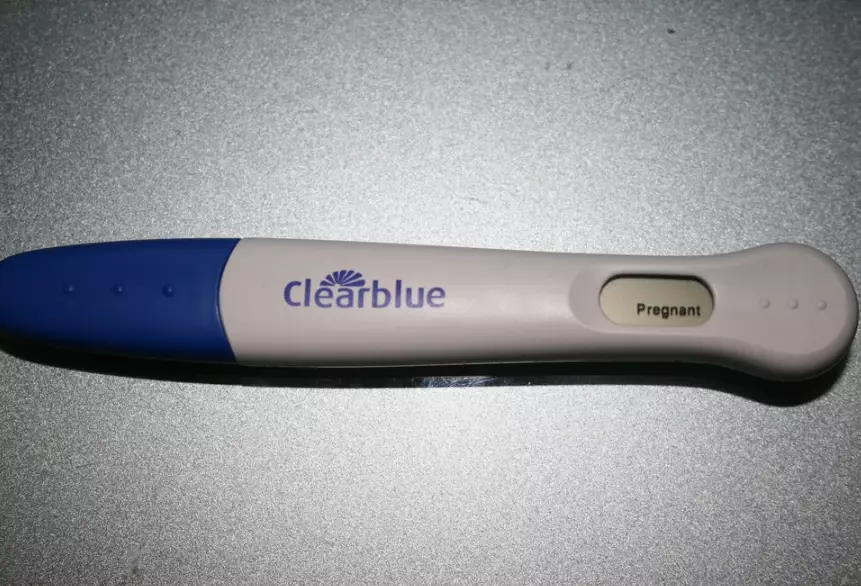
The Bottom Line Up Front: For most women, the earliest you can possibly get a positive is about 8-10 days after ovulation. But the most reliable, heartache-saving time to test is on or after the day your period is due. Seriously. Trust me on this.
It All Hinges on hCG: The Pregnancy Hormone
To understand how soon, you first need to understand what the test is looking for. Every single pregnancy test, whether it's a dollar store stick or a fancy digital one, detects one thing: human Chorionic Gonadotropin, or hCG.
Think of hCG as the first official email from the newly implanted embryo to your body. It says, "Hey, I'm here! Don't shed the uterine lining this month, we're using it." This hormone is produced by the cells that will eventually form the placenta. Its levels start very low but then they double roughly every 48-72 hours in early pregnancy. That doubling is key.
A test can only show positive if the concentration of hCG in your urine reaches or exceeds the test's "detection threshold." This is where things get interesting, and where a lot of the "test 6 days before your period!" marketing comes from.
Test Sensitivity: The mIU/mL Game
This is the most important number on the box that nobody really explains. Sensitivity is measured in milli-international units per milliliter (mIU/mL). It tells you the minimum level of hCG the test can detect.
- Standard Sensitivity: Most common tests have a sensitivity of 25 mIU/mL. They're reliable from around the day of your missed period.
- Early Result / Early Detection Tests: These boast sensitivities of 10-15 mIU/mL. This is what allows them to potentially detect a pregnancy sooner.
Here's the catch: just because a test can detect 10 mIU/mL doesn't mean your body has produced that much by the day you're testing. Implantation timing varies, and so does the initial hCG production rate.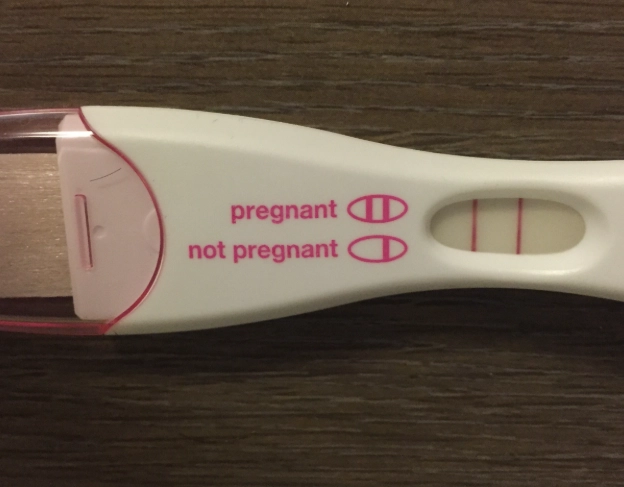
A Word of Caution: Some ultra-sensitive tests (claiming 6.5 mIU/mL or similar) exist, but they can be notoriously prone to false positives from chemical pregnancies (very early miscarriages) or even just test errors. Seeing a super faint line on one of these at 8 days past ovulation (DPO) can set you up for heartbreak if the pregnancy doesn't progress. I'm not a fan of them for that reason.
The Timeline: From Ovulation to Positive
Let's map this out. Remember, "Day 1" here is the day of ovulation.
| Days Past Ovulation (DPO) | What's Happening Biologically | Chance of a Positive Test | Realistic Expectation |
|---|---|---|---|
| 1-6 DPO | Fertilization, embryo travels down tube. No hCG produced yet. | Zero. Don't waste a test. | A test now is literally guessing. |
| 7-10 DPO | Implantation may occur (most common 8-10 DPO). hCG production starts immediately after implantation. | Very low to low. Only possible with ultra-sensitive tests if implantation happened early. | This is the "maybe, but probably not" zone. A negative here means nothing. |
| 11-12 DPO | If implanted, hCG is doubling but levels are still low (maybe 10-50 mIU/mL). | Fair. Some women will get a faint positive on a good early detection test. | This is where the early-testing anxiety really peaks. A faint line is possible, but so is a negative that turns positive later. |
| 13-14 DPO (Missed Period) | hCG levels are rising more robustly (50+ mIU/mL for many). | High. This is the gold-standard time to test for accuracy. | If you're pregnant, a test on or after your missed period date is over 99% accurate. This is the day to trust the result. |
| 15+ DPO | hCG continues to double, levels are well above test thresholds. | Very High. A negative is almost certainly a true negative. | The result is definitive for this cycle. |
So, to directly answer "how soon will you show positive on a pregnancy test?"—biologically, it's possible as early as 8-10 DPO. Realistically, for a clear, trustworthy answer, waiting until your missed period is the smart move. I know, easier said than done.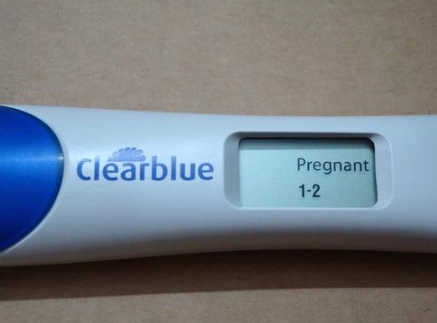
Factors That Can Change Your "How Soon" Answer
It's not just a simple countdown. A few things can push your personal timeline earlier or later.
What Might Make You Test Positive Earlier:
- Early Implantation: If the embryo implants on day 7 or 8, hCG starts sooner.
- Multiple Pregnancy: Twins or triplets produce significantly more hCG, which can lead to a very early, very dark positive. (Though you can't diagnose multiples from a test darkness alone!).
- Using a Highly Sensitive Test: A 10 mIU/mL test will pick up hCG sooner than a 25 mIU/mL one.
What Might Make You Test Positive Later (or give a false negative):
- Late Implantation: Implantation on day 10, 11, or even 12 shifts everything back.
- Long or Irregular Cycles: If you ovulated later than you think, your "14 DPO" might actually be 10 DPO. This is the #1 cause of "my period is late but the test is negative."
- Diluted Urine: Testing later in the day after drinking lots of fluids can dilute hCG concentration below the test's threshold. First-morning urine is best because it's most concentrated.
- Test Error: Yes, it happens. Expired tests, not enough urine, reading outside the time window.
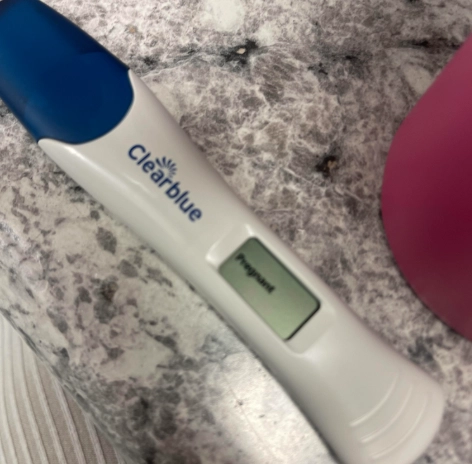
See how tricky it can get?
How to Test for the Most Accurate Result
If you're going to test (and let's be real, you will), do it right to avoid adding "maybe the test was wrong" to your stress.
The Optimal Testing Checklist:
- Wait. I know, I know. But try to hold out until at least the day your period is due. The accuracy jump is massive.
- Use First-Morning Urine. This isn't an old wives' tale. Overnight, hCG concentrates in your bladder. If you must test later, hold your urine for 3-4 hours and don't drink a gallon of water beforehand.
- Read the Instructions. Every brand is slightly different. Set a timer for the read window (usually 3-5 minutes). Reading at 10 minutes can show evaporation lines that are not positives.
- Consider a Digital. For the day of your missed period, a digital test that spells out "Pregnant" or "Not Pregnant" removes all line-squinting ambiguity. They're less sensitive, but by that date, it doesn't matter.
- Have a Plan. What will you do if it's positive? Negative? Having a next step in mind can make the moment feel less overwhelming.
Interpreting the Dreaded Faint Line
Ah, the indent line, the evaporation line, the "is there color?" line. This causes more anxiety than anything. Here's my take.
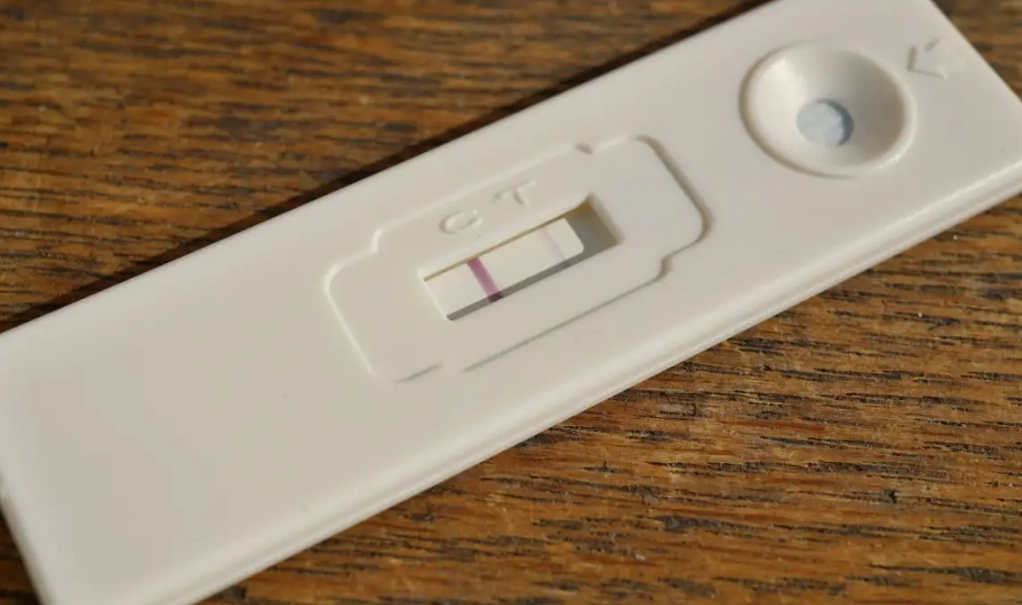
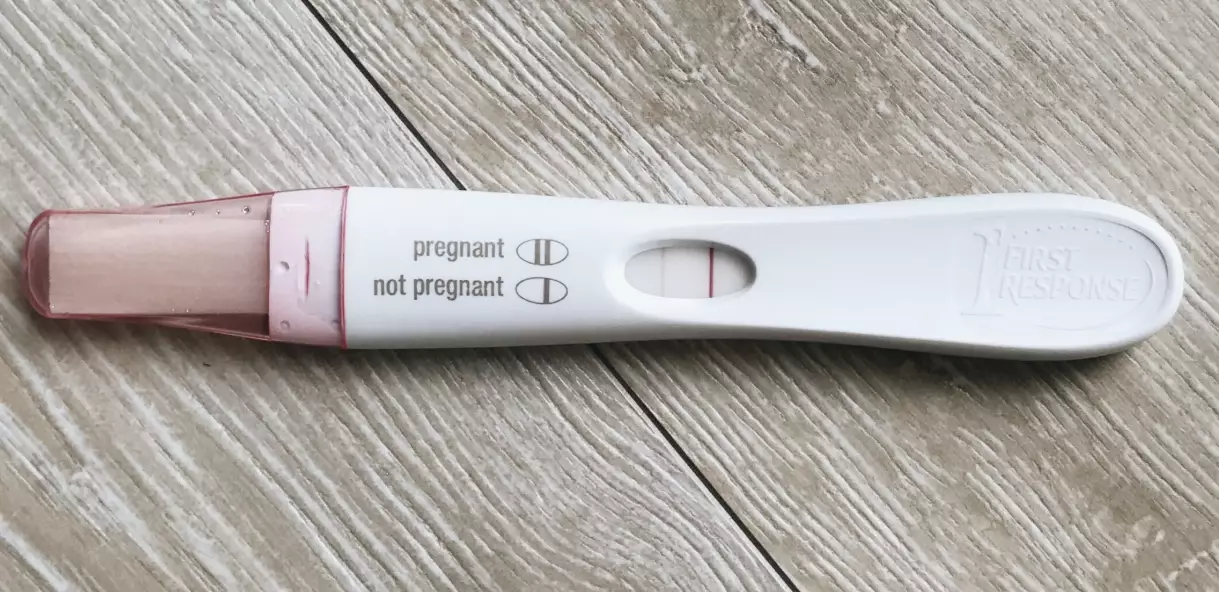
A true positive line will have color. Gray, colorless indent lines are common on some brands (I'm looking at you, certain blue-dye tests, which are notoriously bad for this). A pink-dye test is generally better. A line with color, even faint, that appears within the time window is likely a true positive. It means hCG is present, just in low amounts.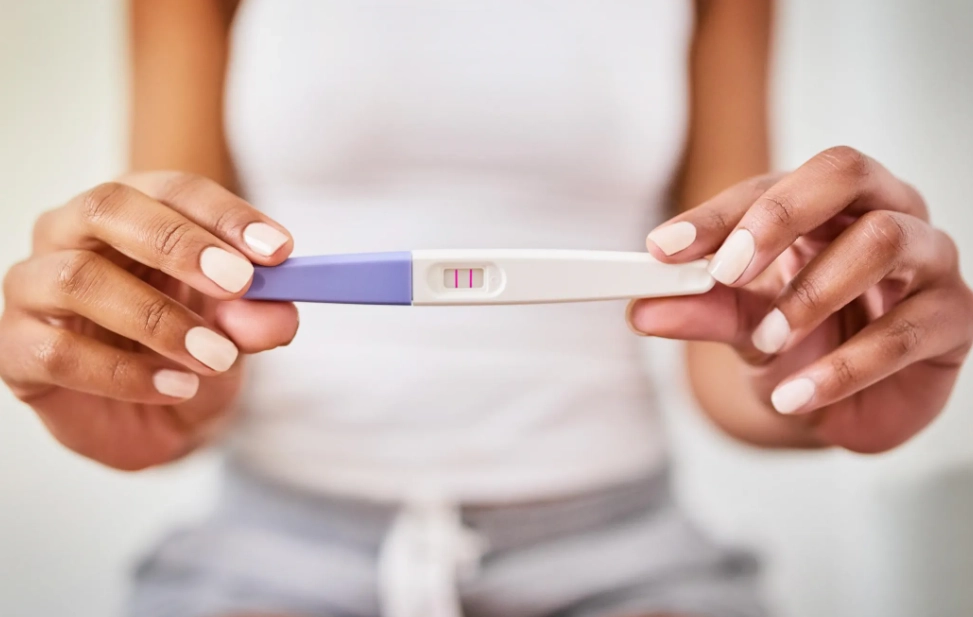
What to do?
Don't panic. A faint positive is a positive. Test again in 48 hours with first-morning urine. You should see the line get noticeably darker as your hCG doubles. If it stays faint or disappears, it may indicate a chemical pregnancy, which is a very early loss. It's heartbreakingly common (up to 1 in 4 pregnancies), and often the only sign is a faint period-like bleed after a faint positive test. The Mayo Clinic has good information on early pregnancy loss if you need it.
Your Questions, Answered (The Stuff You're Actually Googling)
The Final, No-Nonsense Summary
Wondering "how soon will you show positive on a pregnancy test?" Here's the truth, plain and simple:
- Earliest Possible: 8-10 days after ovulation. This is the "maybe" zone.
- Reliable & Accurate: On or after the day your period is due. This is the "trust this result" zone.
- Test Smart: Use first-morning urine, read the instructions, and use a pink-dye or digital test to avoid line confusion.
- A faint line has color: It's likely positive. Test again in 48 hours to see it darken.
- A negative with no period: You probably ovulated late. Wait and retest.
The wait is brutal. The uncertainty is worse. But arming yourself with facts—not just marketing hype—takes a little bit of the power away from the anxiety. Be kind to yourself during this time.
Whatever result you're hoping for, I'm crossing my fingers for you. Take a deep breath. You've got this.
Reader Comments