Let's be brutally honest right from the start. If you're searching this question, you're probably in that agonizing two-week wait, analyzing every twinge. I've been there. Scrolling through forums at 2 AM, convinced that a weird taste in my mouth or a sudden wave of fatigue was The Sign. The short, direct answer is this: It's highly, highly unlikely you will notice any definitive physical signs of pregnancy at just 1 week. In fact, from a medical and biological standpoint, you aren't technically pregnant yet during most of that first week. Confused? That's because the dating system is counterintuitive. Understanding this is the key to saving your sanity.
What’s Inside This Guide
The Pregnancy Dating Mix-Up: Why "1 Week" Is Misleading
This is the most critical piece of information most articles gloss over. Doctors don't date pregnancy from conception or implantation. They date it from the first day of your last menstrual period (LMP). This is called gestational age.
So, if you get a positive test and your doctor says you're "4 weeks pregnant," here's what that actually means:
- Week 1: You are on your period. The body is shedding the uterine lining.
- Week 2: Your body is preparing to ovulate. No egg, no sperm meeting yet.
- Around Day 14 (End of Week 2): Ovulation typically occurs.
- Week 3: Conception happens (sperm meets egg), forming a zygote. It travels down the fallopian tube.
- End of Week 3 / Beginning of Week 4: Implantation—when the blastocyst burrows into the uterine lining. This is when pregnancy truly begins, and the hormone hCG starts being produced.
See the problem? When most people ask "signs at 1 week," they're thinking 1 week after conception. But in medical terms, 1 week pregnant is during your last period. The earliest possible signs (like implantation bleeding) don't occur until weeks 3 or 4 of this medical timeline.
What's Biologically Possible (and Impossible) at 1 Week Post-Conception
Let's reset the clock. Say we're now talking about 1 week after you think you conceived (which aligns roughly with medical week 3). What's the scene?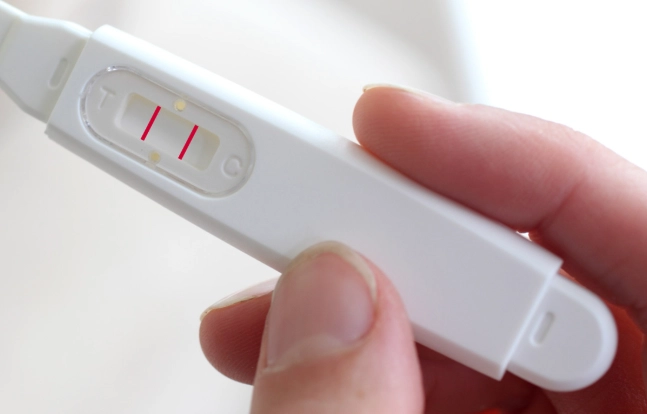
The fertilized egg is a microscopic ball of cells called a blastocyst. It's floating down your fallopian tube. It hasn't attached to your uterus yet. It's not sending hormonal signals to your body.
Your body has no idea it's there.
Therefore, classic pregnancy symptoms driven by hormones—like nausea, breast tenderness, fatigue, frequent urination—are physiologically impossible at this stage. The hormone human chorionic gonadotropin (hCG), which home pregnancy tests detect and which is largely responsible for early symptoms, is only produced after implantation.
So, What Are You Actually Feeling?
If you're feeling something—cramping, mood swings, tiredness—it's likely one of two things:
- Progesterone: After ovulation, your body produces progesterone to support a potential pregnancy. High progesterone levels can cause symptoms identical to early pregnancy: bloating, tender breasts, mood changes, fatigue. This happens every cycle, pregnant or not.
- Hyper-awareness: When you're hoping or worrying about pregnancy, you become a detective in your own body. Normal bodily sensations you'd usually ignore suddenly become clues. That gurgle in your gut? That slight headache? Your brain is magnifying them.
The Real Timeline of Early Pregnancy Signs
Let's map out when signs typically appear, using both medical weeks (LMP) and weeks post-conception for clarity. Remember, every woman and every pregnancy is different. Some feel nothing for weeks; others notice subtle hints earlier.
Earliest Possible Signs (Week 3-4 Medical / 1-2 Weeks Post-Conception)
These are rare and subtle. Many women experience none of these.
- Implantation Bleeding/Spotting: A small amount of light pink or brown spotting that occurs 6-12 days after conception when the embryo implants. It's lighter and shorter than a period. Key differentiator: It's not red and heavy.
- Implantation Cramping: Mild, fleeting cramps that feel different for everyone—some feel a pinching, others a dull ache. They are far milder than period cramps.
- Basal Body Temperature (BBT) Stay Elevated: If you're tracking your BBT, it will remain high past your expected period date if you're pregnant, instead of dropping.
Notice a theme? These are all tied directly to the event of implantation, not to sustained hormone levels.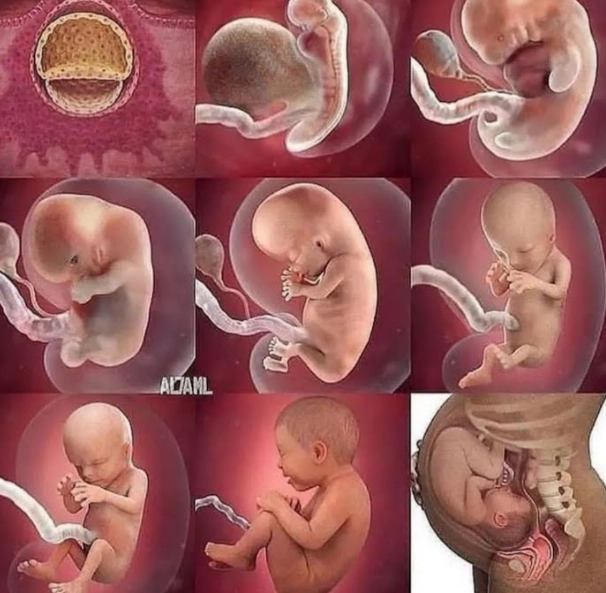
More Common Early Signs (Week 4-6 Medical / 2-4 Weeks Post-Conception)
This is when hCG levels rise enough to start causing noticeable symptoms for many.
- Missed Period: The most classic and reliable sign for those with regular cycles.
- Tender, Swollen Breasts: Hormonal changes can make breasts sensitive and full.
- Fatigue: Profound, can't-keep-your-eyes-open fatigue caused by rising progesterone.
- Nausea (Morning Sickness): Can start as early as week 4 but often peaks around weeks 6-9.
- Increased Urination: Rising blood volume and later, pressure from the uterus.
- Food Aversions/Cravings: That sudden hatred for coffee you usually love.
- Mood Swings: Thanks again, hormones.

The Psychological Waiting Game: How to Stay Sane
This period is less about biology and more about psychology. The uncertainty is torture. Here's what I learned after multiple cycles of trying:
Stop symptom spotting. Seriously, make a pact with yourself. Every time you analyze a twinge, remind yourself: "Progesterone causes this. My body does this every month." Write it on a sticky note.
Distract yourself. Pick up a project, binge a new series, plan social outings. The days will pass faster.
Talk to someone you trust. Keeping the anxiety bottled up makes it worse. If you're trying to conceive (TTC), connecting with others in the same boat (in supportive online communities) can normalize the experience.
The Only Way to Know: The Pregnancy Test Timeline
All speculation ends with a test. But testing too early leads to false negatives and heartbreak.
- Too Early (Before Implantation): Pointless. hCG doesn't exist yet.
- Early Detection Tests (6-8 days post-ovulation): These claim to detect tiny amounts of hCG. The problem? Implantation timing varies. If you test at 8 days post-ovulation (DPO) and it's negative, you might have just implanted at 9 DPO. You've created unnecessary disappointment.
- The Gold Standard: Wait until the day of your expected period, or 1-2 days after. By then, if implantation occurred, hCG levels should be high enough for any test to detect reliably. According to the American College of Obstetricians and Gynecologists (ACOG), this is the most reliable time to test for accurate results.
- Use First Morning Urine: It's the most concentrated, giving the highest chance of detecting hCG if it's present.
What You Should Do While You Wait
Instead of obsessing, channel that energy productively.
- Start or Continue Prenatal Vitamins. Folic acid is crucial for neural tube development in the very early weeks, often before you know you're pregnant. Don't wait for a positive test.
- Live Healthily, But Normally. Eat balanced meals, stay hydrated, get gentle exercise. Avoid alcohol, smoking, and excessive caffeine. But don't put your life on hold.
- Track Your Cycle. If you aren't already, use an app or calendar to note the first day of your period. This data is invaluable for you and your future doctor.
- Make a Plan for Test Day. Decide when you'll test and what you'll do after—whether it's a happy celebration or a self-care plan if it's not the result you hoped for.

Reader Comments