Let's cut straight to it. You've got that positive test, and now your mind is racing. Every little twinge, every wave of nausea, every moment of exhaustion gets analyzed. Is this normal? Is the baby okay? I've been a prenatal educator for over a decade, and I can tell you this anxiety is the most universal symptom of early pregnancy. But here's the truth: a normal, healthy pregnancy comes with a wide range of perfectly normal signs. Knowing what to expect can turn that anxiety into reassurance.
This isn't a medical textbook list. It's a practical, plain-English guide to the common indicators of a healthy pregnancy, pulled from medical guidelines from sources like the American College of Obstetricians and Gynecologists (ACOG) and countless conversations with expecting parents. We'll cover what's typical, why it happens, and—crucially—when a sign might actually be a signal to pick up the phone.
Your Quick Guide to This Article
What Are the Most Common Signs of a Normal Pregnancy?
The body doesn't send a polite memo when pregnancy begins; it launches a full-scale hormonal renovation project. These hormones, primarily human chorionic gonadotropin (hCG) and progesterone, are the reason behind most early symptoms. They're signs your body is doing its job, building a placenta and supporting a growing embryo.
Here’s a breakdown of the classic cast of characters in a normal first trimester:
- A Missed Period: The headline act. It's the most reliable early sign for women with regular cycles. But it's not foolproof—stress or hormonal shifts can also cause delays.
- Nausea (With or Without Vomiting): Call it morning sickness, but it can strike any time of day or night. It often starts around week 6 and peaks around week 9. A common misconception is that severe nausea means a healthier pregnancy. Not true. The intensity varies wildly and isn't a report card on your baby's health.
- Breast Tenderness and Changes: Your breasts may feel swollen, sore, or tingly. The areolas (the area around the nipple) often darken and small bumps (Montgomery's tubercles) become more prominent. This is your body prepping for milk production, and it can be one of the first signs you notice.
- Overwhelming Fatigue: This isn't just feeling tired. It's a deep, bone-weary exhaustion where a trip to the mailbox feels like a marathon. Your body is using massive energy to create a new life support system (the placenta). Napping becomes a necessity, not a luxury.
- Increased Urination: You'll be visiting the bathroom more, even before your uterus is big enough to press on your bladder. This is due to increased blood flow to your kidneys and the hormonal shifts.
- Food Aversions and Cravings: Suddenly, the smell of coffee makes you gag, or you have an intense, specific desire for pickles. Hormones are altering your sense of smell and taste, which is thought to be an evolutionary mechanism to avoid potentially harmful substances.
- Mood Swings: One minute you're crying at a commercial, the next you're irrationally irritated by a minor inconvenience. Blame the hormonal rollercoaster again. It's completely normal.
- Light Spotting or Cramping: This one causes a lot of panic, but it's often normal. Around the time your period was due, you might experience "implantation bleeding"—light pink or brown spotting as the embryo attaches to the uterine wall. Mild, period-like cramping is also common as the uterus begins to stretch.
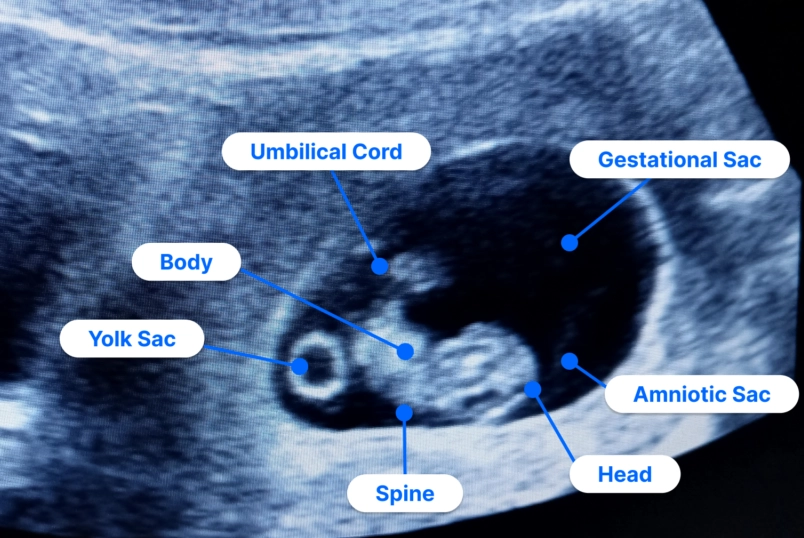
A Note from Experience: I see many first-time parents get hung up on comparing their symptom "score" to others. "She had terrible nausea, and I only feel queasy in the evenings—is something wrong?" Pregnancy is not a competitive sport. The presenceof symptoms is a sign your hormones are active, but the specific patternis as unique as you are.
How Can I Tell if My Pregnancy Symptoms Are Normal?
This is the million-dollar question. The line between "normal" and "concerning" isn't always bright. Here's a framework I use with my clients to help them navigate their own experience.
First, understand that symptoms often wax and wane. You might have three awful days of nausea, then a surprisingly good day. That's typical. They also tend to evolve as you move through trimesters. Fatigue and nausea often lessen in the second trimester, while new signs like a visible baby bump, feeling the baby move ("quickening"), and back pain take center stage.
Second, think in terms of manageability and progression. Normal symptoms are disruptive but usually manageable with rest, dietary tweaks, and over-the-counter remedies approved by your doctor (like vitamin B6 for nausea). They follow a logical progression tied to pregnancy stages.
To make this clearer, let's look at how typical signs often present across the pregnancy timeline:
| Trimester | Common Normal Signs & Indicators | Why It Happens / What It Means |
|---|---|---|
| First Trimester (Weeks 1-12) | Missed period, nausea/fatigue, breast tenderness, frequent urination, food aversions, mood swings, light spotting. | Rapid rise in hCG and progesterone. Body is building the placenta and supporting early embryonic development. |
| Second Trimester (Weeks 13-27) | Energy returns, nausea often fades, visible baby bump, feeling baby movements (flutters then kicks), nasal congestion, skin changes (linea nigra), round ligament pain. | Hormones stabilize. Uterus expands beyond the pelvis. Fetal growth becomes externally apparent. Your body adapts to carrying more weight. |
| Third Trimester (Weeks 28-40+) | Stronger, regular fetal movements, shortness of breath, heartburn, Braxton Hicks contractions, backache, nesting instinct, swelling in feet/ankles. | Baby is gaining weight and filling the uterus. Body prepares for labor with practice contractions. Increased blood volume can cause mild edema. |
The most reassuring sign of all in the second half of pregnancy? Regular fetal movement. While there's no universal "right" number of kicks, learning your baby's normal pattern of activity is key. Most providers recommend doing daily "kick counts" later in pregnancy to ensure the baby is active and well.
When to Call Your Doctor: Normal vs. Needing Attention
Now for the part that eases anxiety: knowing the clear red flags. It's better to call your care provider a hundred times with a false alarm than to ignore one real problem. Trust me, they expect and prefer it.
Here are the specific situations that move beyond "normal" and require professional evaluation. Don't Google, just call.
Red Flags That Need Immediate Attention
- Vaginal Bleeding: Light spotting can be normal. Bright red bleeding that's more than spotting, bleeding that soaks a pad, or bleeding accompanied by pain or cramping is not. Call immediately.

- Severe or Persistent Abdominal Pain: Mild cramping is common. Sharp, stabbing, constant, or one-sided pain is not. It could indicate an ectopic pregnancy or other complication.
- Sudden Gush or Leakage of Fluid from the Vagina: This could be your water breaking prematurely. It needs assessment to check for infection and determine the next steps.
- Severe or Persistent Headaches, Visual Disturbances, or Swelling: A sudden, severe headache, seeing spots or flashes of light, or sudden significant swelling in your face or hands could be signs of preeclampsia, a serious blood pressure condition.
- No Fetal Movement: If you're past 28 weeks and notice a significant decrease or stop in your baby's movements after you've been active, try drinking something cold and lying on your side to focus. If you don't feel normal movement within an hour or two, call your provider.
- Fever Over 100.4°F (38°C): A high fever during pregnancy needs to be managed carefully, as it can affect the baby.

My rule of thumb? If a symptom is severe, sudden, or accompanied by pain or bleeding, it's time to call. If it's a gradual change or a persistent worry that's eating at you, call anyway. Peace of mind is part of prenatal care.
Embracing Your Unique Pregnancy Journey
After all this talk of signs and symptoms, remember the bigger picture. A normal pregnancy isn't defined by a perfect checklist of symptoms. It's defined by the healthy progression confirmed through your prenatal appointments: steady weight gain, a growing fundal height (the measurement of your belly), a strong fetal heartbeat, and normal ultrasound findings.
Your job isn't to diagnose yourself based on symptoms. Your job is to listen to your body, report concerns, and show up for your appointments. The most important "sign" of a normal pregnancy is a collaborative relationship with a healthcare provider you trust.
So take a deep breath. The fatigue, the nausea, the weird cravings—they're often just noisy evidence of the incredible, silent work happening inside you. Track your symptoms if it helps you feel in control, but don't let them dictate your anxiety. Focus on the fundamentals: prenatal vitamins, gentle nutrition, hydration, rest, and open communication with your care team. That's the real foundation of a healthy pregnancy.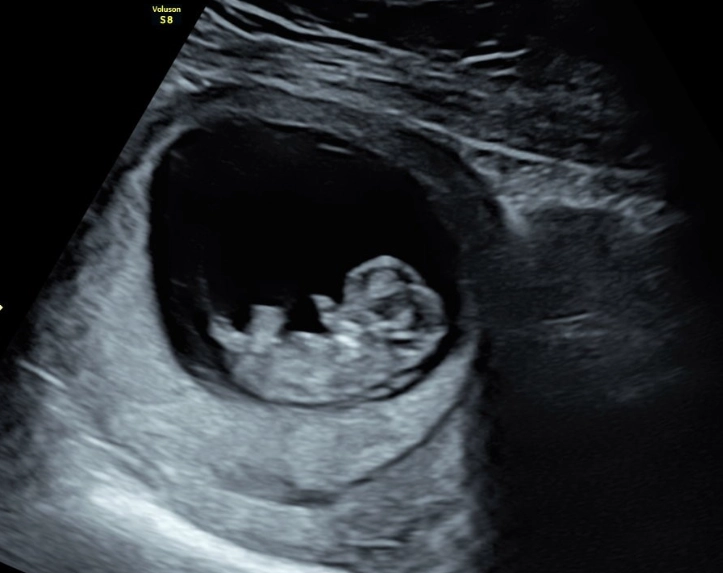
Reader Comments