Let's be straight about this. If you're searching for "medicine for pregnancy to avoid miscarriage," you're probably feeling a mix of hope and sheer terror. Maybe you've seen a spot of blood. Maybe you've been through loss before. That anxiety is a physical weight. I remember sitting in a specialist's office after my second loss, desperate for a magic pill. The truth I learned, both from my own journey and from years talking with doctors and researchers, is that there's rarely a single "magic" medicine. Instead, it's about building a solid support system for your pregnancy, where specific medications play a crucial, targeted role for some people.
The core idea isn't about finding a secret cure-all. It's about understanding what science says works, for whom, and how to combine that with foundational lifestyle choices. This guide will walk you through the one medication with the strongest evidence (progesterone), the essential supplements that act like preventive medicine, and the daily habits that are just as powerful as any pill.
What You'll Find in This Guide
- Understanding Why Miscarriage Happens (It's Usually Not Your Fault)
- The Core Medicine: Progesterone – When It Helps and When It Doesn't
- Essential Supplements: Your Daily Pregnancy Support Team
- Beyond Medicine: The 4 Lifestyle Pillars for a Strong Pregnancy
- What Most People Get Wrong About Pregnancy Support Medicine
- Your Questions, Answered by a Specialist's Perspective
Understanding Why Miscarriage Happens (It's Usually Not Your Fault)
Before we talk solutions, we need to briefly talk causes. This is important for your peace of mind. The American College of Obstetricians and Gynecologists (ACOG) states that about half of early miscarriages are due to chromosomal abnormalities in the embryo. Think of it as nature's quality control – it's heartbreaking, but it's not something you caused by lifting a grocery bag or having a stressful day.
Other factors can play a role, and this is where supportive medicine and lifestyle come in:
- Hormonal Issues: Low progesterone (the "pregnancy hormone" that sustains the uterine lining) is a classic player.
- Anatomical Factors: Issues with the uterus itself.
- Immune & Blood Clotting Disorders: Conditions like Antiphospholipid Syndrome (APS) can cause tiny clots that block blood flow to the placenta.
- Chronic Health Conditions: Poorly controlled thyroid disease or diabetes.
See the pattern? For many of these *treatable* factors, medicine and targeted supplements aren't about preventing the unpreventable; they're about correcting an underlying imbalance to give a healthy embryo its best shot.
The Core Medicine: Progesterone – When It Helps and When It Doesn't
This is the big one you'll hear about. Progesterone is naturally produced after ovulation and is critical for maintaining the uterine lining. If levels are too low, the lining can't support the pregnancy.
Here's the nuanced view many generic articles miss: Progesterone is not a universal miracle drug. Throwing it at every pregnancy worry is ineffective and can waste precious emotional energy. The evidence, including large studies referenced by organizations like ACOG, shows it's most beneficial for two specific groups:
- Women with Early Pregnancy Bleeding: If you're experiencing spotting or bleeding in the first trimester, progesterone supplementation can significantly reduce the risk of miscarriage.
- Women with a History of Recurrent Miscarriage (3 or more): For this group, progesterone can improve live birth rates.
If you don't fall into these categories, the data doesn't show a clear benefit for routine use. Your doctor might still consider it in certain scenarios, but it shouldn't be the first and only tool in the box.
How Much and For How Long? The Typical Progesterone Protocol
There's no one-size-fits-all dose, but common protocols look like this:
- Form: Vaginal suppositories/gel (most common, acts locally) or intramuscular injections (more systemic). Oral forms are less used due to side effects.
- Dose: Typically 200mg to 400mg vaginally, twice daily. Injections might be 50mg to 100mg daily.
- Duration: Usually started upon confirmation of pregnancy (or after ovulation in IVF cycles) and continued through the 12th week of pregnancy, when the placenta takes over progesterone production.
Side effects? With vaginal forms, mainly irritation and discharge. The injections can be painful and cause soreness. The mental side effect – a feeling of "doing something" – can be profoundly positive, even if the physical benefit is what's being measured.
Essential Supplements: Your Daily Pregnancy Support Team
Think of these as foundational, daily medicine. A high-quality prenatal vitamin is non-negotiable, but a few specific ingredients deserve extra attention.
| Supplement | Key Role in Preventing Miscarriage | Evidence-Based Dosage & Notes |
|---|---|---|
| Folic Acid (or Methylfolate) | Critical for neural tube development. Deficiency is linked to a higher risk of miscarriage and birth defects. | 400-800 mcg daily. Start at least 1 month before conception. The CDC strongly recommends this for all women of childbearing age. If you have the MTHFR gene variant, methylfolate may be better absorbed. |
| Vitamin D | Modulates the immune system. Low levels are associated with recurrent miscarriage and preeclampsia. | 1000-2000 IU daily. Many are deficient. Ask your doctor to check your levels. A study in the Journal of Clinical Endocrinology & Metabolism linked sufficient Vitamin D to higher live birth rates. |
| Omega-3 Fatty Acids (DHA/EPA) | Reduces inflammation, supports fetal brain development, and may help regulate hormones. | 300-500 mg of DHA daily. Look for a purified, mercury-free fish oil or algae-based supplement. Chronic inflammation is a silent enemy in early pregnancy. |
| Iron | Prevents anemia. Severe anemia can compromise oxygen delivery to the placenta. | As directed by your doctor. Don't supplement blindly—excess iron can cause issues. Get your levels checked first. Food sources (red meat, lentils, spinach) are great. |
I made the mistake early on of buying a cheap prenatal from the grocery store. It made me nauseous and probably wasn't well-absorbed. Investing in a quality brand from a reputable health store or pharmacy matters. Look for ones that contain these key players in bioavailable forms.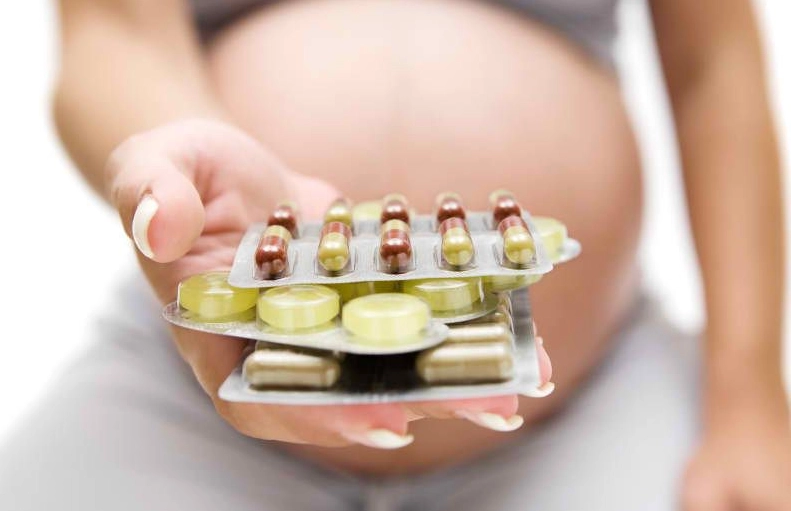
Beyond Medicine: The 4 Lifestyle Pillars for a Strong Pregnancy
You can take all the pills in the world, but if these pillars are shaky, you're building on sand. This is the "medicine" you administer through daily choices.
Pillar 1: Blood Sugar Balance. Wild spikes and crashes in blood sugar create inflammation and hormonal chaos. This doesn't mean zero carbs. It means pairing them with protein, fat, and fiber. Swap white toast for whole-grain with avocado and an egg. Have an apple with a handful of almonds. Steady energy for you, a stable environment for baby.
Pillar 2: Stress Modulation, Not Elimination. Telling a worried pregnant person to "just relax" is useless. The goal is to manage the physiological stress response. This means 10 minutes of deep belly breathing daily. It means a gentle walk, not a high-intensity workout when you're anxious. It might mean closing your eyes and listening to a calm podcast for 15 minutes. Cortisol, the stress hormone, can directly interfere with progesterone.
Pillar 3: Toxin Reduction. We're not talking about moving to a mountain. We're talking about practical swaps: cleaning with vinegar and baking soda instead of harsh chemicals. Avoiding BPA plastics (especially for food and drink). Checking your skincare for retinoids and high-dose salicylic acid. It's about reducing the total burden on your liver, which is busy processing pregnancy hormones.
Pillar 4: Sleep Hygiene. This is when your body repairs and regulates hormones. Prioritize 7-8 hours. Create a ritual: no screens an hour before bed, a warm bath, maybe some magnesium glycinate (a supplement that aids sleep and muscle relaxation – ask your doc). Poor sleep disrupts everything.
What Most People Get Wrong About Pregnancy Support Medicine
After a decade in this space, I see the same mistakes repeatedly. Avoid these pitfalls:
Mistake 1: Self-prescribing progesterone creams or supplements from the internet. This is dangerous. Dosage and purity are unknowns. You need a diagnosis and monitoring. Real progesterone support requires a prescription for a reason.
Mistake 2: Focusing only on the medicine and ignoring the lifestyle pillars. They work synergistically. Taking progesterone while living on caffeine, sugar, and 5 hours of sleep is like trying to fill a bathtub with the drain open.
Mistake 3: Starting supplements without a baseline. Blindly taking high-dose iron or Vitamin D without knowing your levels can backfire. A simple blood test (like a CBC and Vitamin D panel) gives you a roadmap.
Mistake 4: Expecting instant certainty. Medicine for pregnancy support manages risk; it doesn't guarantee an outcome. This is the hardest part emotionally. The goal is to know you did everything evidence-based to tip the odds in your favor.
Reader Comments