Let's cut through the noise. When you're pregnant, everyone has an opinion on what you should eat. Your mother-in-law swears by liver, your friend warns against all seafood, and a random blog tells you to drink gallons of coconut water. It's overwhelming. After working with hundreds of expecting mothers, I've seen the confusion firsthand. The truth is, pregnancy nutrition isn't about a list of magical superfoods or extreme restrictions. It's about consistently choosing nutrient-dense foods that fuel both your changing body and your baby's incredible development. Forget "eating for two" in terms of quantity; it's all about quality.
Your Quick Pregnancy Food Guide
Key Nutrients & Where to Find Them
Think of your body as a construction site. Your baby is the incredible project, and these nutrients are the essential building materials and workers. Skimp on them, and the project faces delays or flaws. Here’s your non-negotiable shopping list.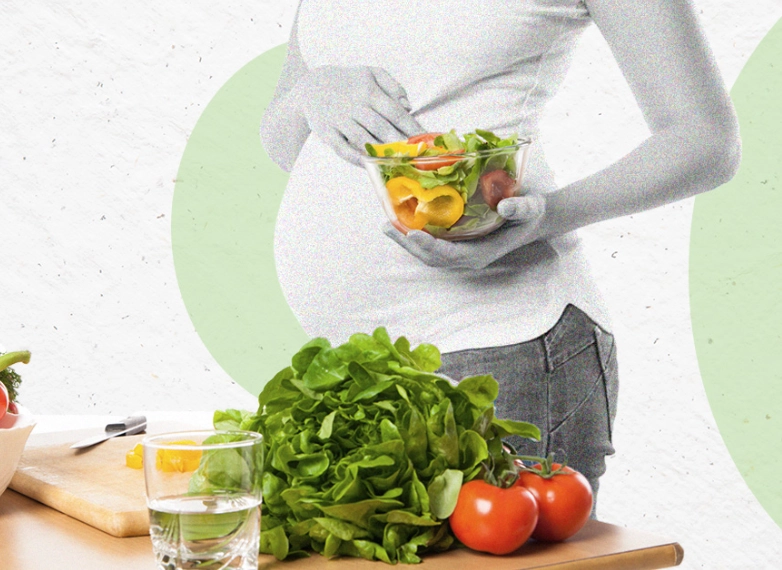
| Nutrient | Why It's Crucial | Top Food Sources (The Best Picks) |
|---|---|---|
| Folate/Folic Acid | Prevents neural tube defects (like spina bifida). Critical in the first few weeks, often before you know you're pregnant. | Dark leafy greens (spinach, kale), lentils, black-eyed peas, asparagus, avocado, fortified cereals. Tip: A quick spinach sauté with eggs makes a perfect breakfast. |
| Iron | Supports the 50% increase in your blood volume. Prevents anemia, which causes crushing fatigue. | Lean red meat, poultry, lentils, spinach, tofu, fortified grains. Pro-tip: Pair plant-based iron with vitamin C (bell peppers, orange juice) to boost absorption. |
| Calcium | Builds baby's bones and teeth. If you don't get enough, your body will leach it from your bones. | Plain yogurt, milk, cheese, sardines with bones, fortified plant milks, bok choy, almonds. |
| DHA (Omega-3) | Essential for baby's brain and eye development. Linked to higher IQ scores. | Fatty fish (salmon, sardines, trout), algae oil (for vegetarians), walnuts, chia seeds. Aim for 2-3 servings of low-mercury fish per week. |
| Choline | Another brain-builder that often gets overlooked. Works alongside folate. | Eggs (the yolk!), lean beef, chicken, fish, broccoli, peanuts. |
| Protein | The fundamental building block for every new cell in your baby's body. | Greek yogurt, chicken, eggs, beans, lentils, quinoa, cottage cheese. |
One mistake I see constantly? Women loading up on iron-rich foods but neglecting vitamin C, so they're still borderline anemic. Or they take a calcium supplement with their iron-rich meal, which blocks absorption. Space them out by a few hours.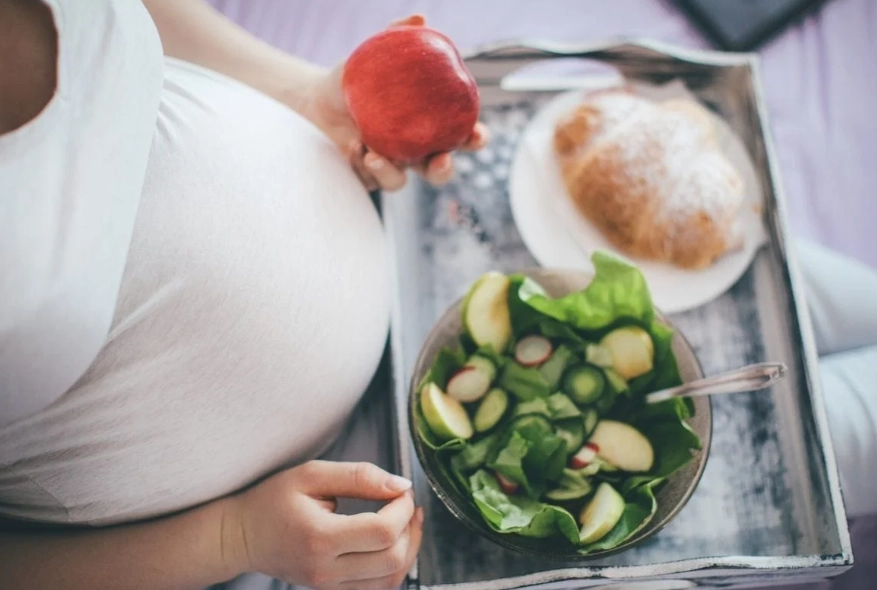
My Personal Staple: During my second pregnancy, I lived on a simple snack: full-fat Greek yogurt with a handful of walnuts and a drizzle of honey. It covered protein, calcium, omega-3s, and probiotics in one go, and it kept me full for hours. Find your own version of that—a reliable, nutrient-packed combo you can fall back on.
Foods to Be Cautious About (or Avoid)
The "avoid" list isn't meant to scare you, but to empower you with information. The main risks are foodborne illness (like listeria) and toxins (like mercury) that can cross the placenta.
Foods to Skip Entirely
- Unpasteurized (raw) milk and soft cheeses (brie, feta, blue cheese—unless the label clearly says "made with pasteurized milk"). Listeria is the concern here.
- Raw or undercooked meat, eggs, and seafood. No rare steak, runny eggs, or sushi made with raw fish. Cook everything thoroughly.
- High-mercury fish: Swordfish, king mackerel, tilefish, shark. Their size means they accumulate more mercury.
- Raw sprouts: Alfalfa, clover, etc. They can harbor bacteria in their growing environment.
- Unwashed produce: A quick rinse under running water is non-negotiable.
Foods to Limit
Caffeine: The American College of Obstetricians and Gynecologists states less than 200mg per day is safe. That's about one 12-ounce cup of coffee. Don't forget it's also in tea, chocolate, and some sodas.
Herbal teas: Many are fine, but some (like pennyroyal or black cohosh) can be dangerous. Stick to common ones like ginger or peppermint in moderation, or check with your doctor.
The Deli Meat Debate: This is a classic. Official guidelines often say to avoid deli meats and hot dogs due to listeria risk. However, if you heat them until steaming hot (think a fully melted grilled cheese or a hot meatball sub), you kill the bacteria. For many women, this is a practical compromise that satisfies a craving safely.
Smart Eating for Pregnancy's Tough Moments
Theory is great, but reality hits with nausea, heartburn, and intense cravings. Let's talk tactics.
First Trimester Nausea & Food Aversions
Forget the perfect plate. Survival is key. Eat what you can tolerate.
- Bland Carbs Are Your Friend: Saltines, dry toast, plain pasta, white rice, bananas. Keep crackers by your bed and eat a couple before you even sit up in the morning.
- Cold & Bland Often Wins: Cold fruit, yogurt, smoothies, and applesauce are often easier to handle than hot, aromatic foods.
- Small & Frequent: An empty stomach makes nausea worse. Aim for 6-8 tiny meals/snacks.
- Ginger: Ginger tea, chews, or even real ginger ale (check for real ginger content) can help.
Third Trimester Heartburn & Fullness
Your stomach is now the size of a walnut thanks to your growing uterus.
- Eat Small, Eat Early: Your last substantial meal should be 2-3 hours before lying down.
- Avoid Classic Triggers: Spicy, greasy, and acidic foods (tomato sauce, citrus) are common culprits.
- Sleep Propped Up: Use extra pillows to keep gravity on your side.
Managing Cravings (Without Guilt)
Cravings are normal. The trick is to meet them halfway. If you crave ice cream, try a banana blended with frozen Greek yogurt and a touch of cocoa. Craving salty chips? Make kale chips or bake thin slices of sweet potato with a sprinkle of salt. The goal isn't perfection, it's balance.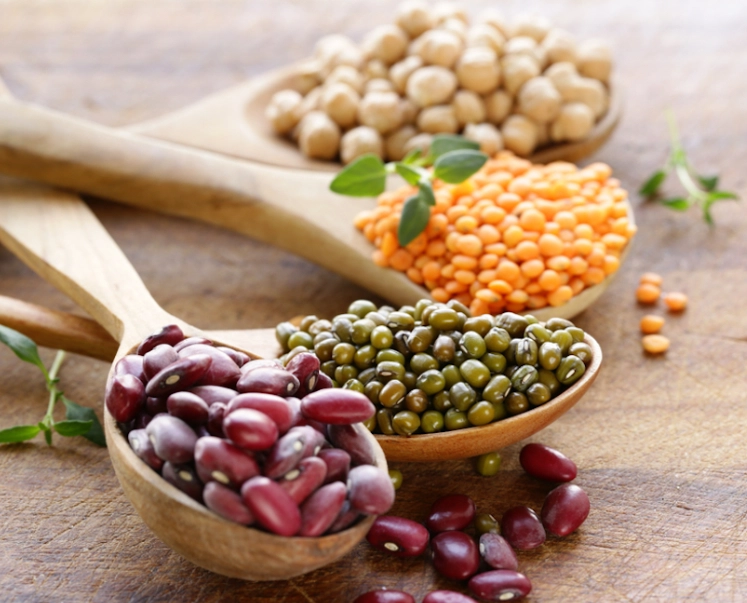
Your Trimester-by-Trimester Food Roadmap
Your nutritional priorities shift as your pregnancy progresses.
First Trimester (Weeks 1-12): Foundation & Survival
This is all about folate and keeping food down. Your baby's neural tube is forming. If you're nauseous, just get calories in any safe way you can. A prenatal vitamin is absolutely critical here as your safety net. Don't stress if your diet isn't perfect; just focus on hydration and whatever stays down.
Second Trimester (Weeks 13-28): Building & Energy
Hello, energy (hopefully)! This is your time to shine. Focus on iron, protein, and calcium to support rapid growth. This is when I encourage clients to really ramp up those leafy greens, lean meats, and dairy. Your appetite returns—use it to build a solid nutritional base. This is also the ideal time to establish healthy eating patterns before the third-trimester squeeze.
Third Trimester (Weeks 29-40): Final Growth & Preparation
Baby is packing on weight, and your body is preparing for birth. Iron remains crucial to prevent anemia before delivery. DHA is still vital for the final brain growth spurt. Keep up with fiber (prunes, oats, pears) to combat pregnancy constipation. Continue with small, frequent meals to manage heartburn and the lack of space.
Remember, every pregnancy is different. Some women thrive on salads, others can only stomach carbs for weeks. Work with your body, not against it. Use your prenatal vitamin, listen to your healthcare provider, and make the best choice you can with each meal. That's what a healthy pregnancy diet really looks like.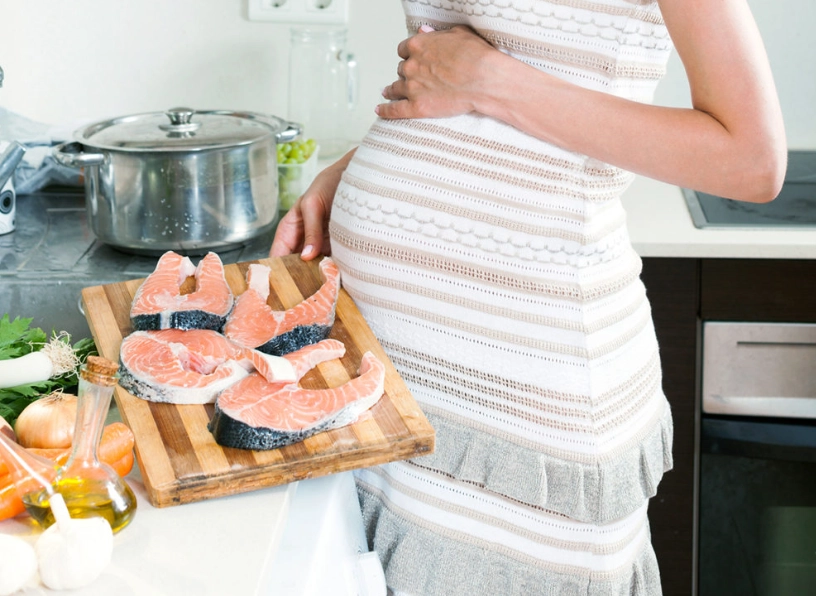
Reader Comments