Quick Guide
- The Big Players: Classic Early Pregnancy Signs
- The Underrated & Surprising Symptoms
- A Realistic Week-by-Week Look (Weeks 1-4 of Pregnancy)
- When to Take a Pregnancy Test (And Get It Right)
- What If You Feel Nothing At All?
- Answers to Your Burning Questions
- When You Should Definitely Call a Doctor
- First Steps After a Positive Test
That moment of wondering, of peering at a calendar, of feeling a bit... off. It's a whirlwind. The first month of pregnancy is a strange and often silent time. Your body is starting an incredible, complex project, but it doesn't always send a clear memo. Honestly, for many, those initial weeks fly by before they even realize what's happening. The symptoms can be so subtle they're easy to brush off, or they can mimic your regular pre-period blues so perfectly it's downright confusing.
I remember a friend telling me she just felt "weirdly tired" and her coffee suddenly tasted metallic. She chalked it up to stress until she was nearly two months along. That's the thing about first month of pregnancy symptoms—they're masters of disguise.
This guide is here to cut through the confusion. We're going to walk through what you might feel, when you might feel it, and what it all means. No fluff, just straight talk about those early whispers from your body.
The Big Players: Classic Early Pregnancy Signs
Let's start with the headline acts, the symptoms most people have heard about. Even these can vary wildly in intensity.
A Missed Period
This is usually the red flag (or rather, the absent red flag) that gets the ball rolling. For women with regular cycles, a missed period is a major clue. But here's a personal gripe: it's not foolproof. Stress, illness, sudden weight change, or hormonal fluctuations can also cause a late or skipped period. So while it's a top sign, it's not a solo confirmation. If your period is MIA and you've been sexually active, it's time to consider the other players on this list.
Tender, Swollen Breasts
This isn't your average pre-menstrual tenderness. We're talking next-level sensitivity. The kind where getting hugged feels like an assault, or the shower spray hitting your chest makes you wince. It's caused by a rapid surge in hormones like estrogen and progesterone. The area around the nipples (the areola) might also darken a bit—something that can start surprisingly early.
Fatigue That Knocks You Out
This isn't just feeling sleepy. It's a deep, bone-weary exhaustion that makes a 2 PM slump feel like a burst of energy. You might find yourself struggling to keep your eyes open at your desk or needing a nap just to get through the day. Your body is using massive amounts of energy to build the placenta and support your baby's earliest development. It's hard work! So if you're suddenly needing to hit the sack at 8 PM for no apparent reason, take note.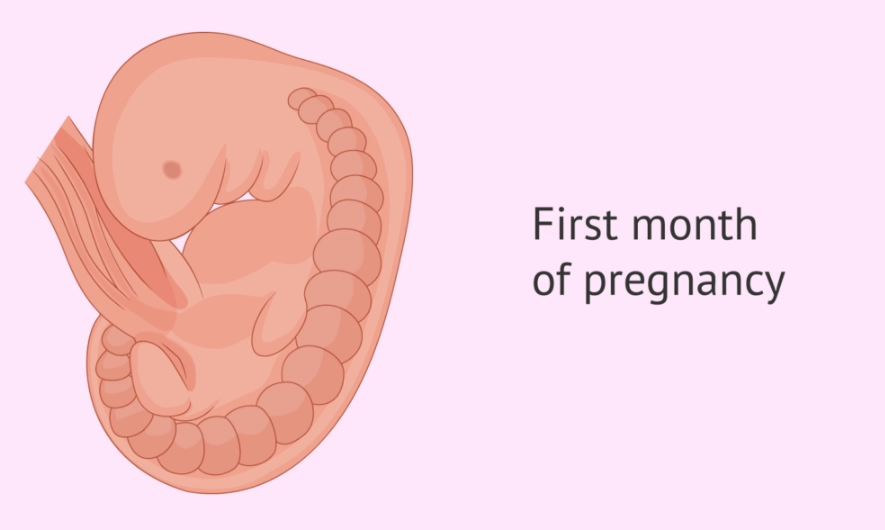
A quick thought: these classic signs are helpful, but they're a club, not a solo act. Experiencing one in isolation is less telling than a combination of a few.
The Underrated & Surprising Symptoms
Now for the stuff nobody really talks about in the movies. These symptoms in the first month of pregnancy can be the real tip-off for many women.
Implantation Bleeding and Cramping
About 6 to 12 days after conception, the fertilized egg burrows into the lining of your uterus. This can cause a tiny bit of spotting or light bleeding—usually pink or brown, not bright red like a period. It might last a few hours or a couple of days. Along with it can come some mild cramping. The frustrating part? It happens right around when you'd expect your period, so it's easy to mistake it for a light period starting. The difference is usually in the duration and flow.
Food Aversions and Cravings
Suddenly, the smell of your partner's coffee makes you gag. Your favorite chicken dish seems revolting. Or you have an intense, can't-think-of-anything-else desire for pickles (or ice cream, or strawberries). These abrupt changes in taste and smell are super common and can hit very early for some. It's your hormones, particularly human chorionic gonadotropin (hCG), messing with your senses. It's not always dramatic, though. Sometimes it's just a general loss of interest in food.
Frequent Urination
Running to the bathroom more often, even before your period is late? Blame increased blood flow to your pelvic area and those pesky hormones again. Your kidneys become more efficient, processing more fluid that ends up in your bladder. It's a symptom that tends to stick around, sadly, but it can be one of the first hints.
Mood Swings
Feeling weepy over a commercial? Snapping at your partner for no good reason? The hormonal rollercoaster of early pregnancy can send your emotions on a wild ride, similar to PMS but often more intense or unpredictable. One minute you're fine, the next you're crying because you ran out of your favorite cereal.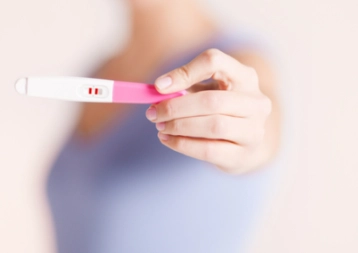
Basal Body Temperature Stays High
If you're charting your basal body temperature (BBT) to track ovulation, you might notice it stays elevated for more than two weeks after ovulation if you're pregnant. Normally, it drops right before your period arrives. A sustained high temperature is a strong, albeit niche, early indicator.
| Symptom | How Common Is It? | Typical Onset | A Key Differentiator from PMS |
|---|---|---|---|
| Fatigue | Very Common | Week 4-5 | Often more profound and persistent. |
| Breast Tenderness | Very Common | Week 4-6 | Can be more severe and linger beyond expected period date. |
| Nausea | Common (but not universal) | Week 5-6 (can be earlier) | PMS rarely causes true nausea. |
| Implantation Bleeding | Less Common (about 25%) | ~10-14 days after conception | Lighter, shorter, and often browner/pinker than a period. |
| Food Aversions | Very Common | Early, often before missed period | Sudden and strong dislikes, not just lack of appetite. |
See what I mean? Some of these are sneaky. You might just think you're coming down with a bug or are super stressed.
A Realistic Week-by-Week Look (Weeks 1-4 of Pregnancy)
Pregnancy dating is weird—it starts from the first day of your last menstrual period (LMP), before you're even pregnant. So "week 1" of pregnancy is actually your period. When we talk about the first month pregnancy symptoms, we're usually referring to weeks 3 and 4 post-conception, which align with weeks 5 and 6 of pregnancy on the medical calendar. Confused yet? Let's break it down simply.
Week 1 & 2 (LMP & Ovulation): No symptoms. You're on your period, then your body prepares for ovulation.
Week 3 (Conception & Implantation): Fertilization happens. You feel absolutely nothing. The tiny cluster of cells is traveling down the fallopian tube.
Week 4 (The First Real Signs): This is when implantation occurs. You might notice:
- Implantation spotting/cramping (around days 20-26 of a 28-day cycle).
- A sustained high basal body temperature if you're tracking.
- Very early breast tenderness or fatigue might begin for some, but it's subtle.

Week 5 (The Missed Period & More): Your period is officially late. Now, symptoms often become more noticeable:
- Missed period (the big one).
- Fatigue really kicks in for many.
- Breast tenderness is more pronounced.
- Nausea might start creeping in (though "morning sickness" often peaks later).
- Mood swings, frequent urination, and food avversions can appear.
So, if you're looking for a list of 1st month of pregnancy symptoms, weeks 4 and 5 are your sweet spot. But remember, this timeline is a general guide. Some women feel nothing at all until much later, and that's perfectly normal too.
The lack of symptoms doesn't mean something is wrong. Every pregnancy is as unique as the person experiencing it.
When to Take a Pregnancy Test (And Get It Right)
This is where anxiety peaks. You're symptom-spotting and want answers. Taking a test too early is a surefire way to get a false negative and feel discouraged.
The golden rule: Wait until at least the first day of your missed period. Better yet, wait 3-5 days after your missed period for the most accurate result. Why? Because pregnancy tests detect the hormone hCG, which doubles roughly every 48-72 hours in early pregnancy. Testing too early means the levels might be too low for the test to catch, even if you are pregnant.
Use your first morning urine. It's the most concentrated, so it has the highest level of hCG.
If you get a negative but your period still doesn't show up and you're experiencing first month pregnancy symptoms, wait a few days and test again. A false positive is extremely rare with modern tests, but a false negative is common if you test prematurely.
For the most definitive information on home testing, the U.S. Food and Drug Administration provides clear guidelines on how they work and their accuracy.
What If You Feel Nothing At All?
This is a huge worry for many, and I want to address it head-on. Feeling no symptoms in the first month is not a sign of a problem. It is completely normal. Some women sail through the entire first trimester with barely a blip. Others get hit with everything all at once. There's no "right" way to feel. The absence of nausea or fatigue doesn't predict the health of the pregnancy. The only reliable way to know what's happening is through a test and eventually, prenatal care.
Don't let comparison steal your joy or add unnecessary stress. Your body is doing its thing in its own way.
Answers to Your Burning Questions
Can you have pregnancy symptoms before a missed period?
Absolutely yes. Implantation-related symptoms (spotting, cramping) and some hormonal shifts (breast changes, fatigue, food aversions) can occur in the days leading up to your expected period. It's why the line between PMS and early pregnancy is so blurry.
How to tell the difference between PMS and early pregnancy symptoms?
This is the million-dollar question. Here's the unsatisfying truth: often, you can't, especially in the very early days. However, some clues lean toward pregnancy:
- Nausea: True nausea is rare with PMS.
- Fatigue: Pregnancy fatigue often feels more extreme.
- Breast Pain: Tenderness that persists beyond when your period would start is a clue.
- Timing of Symptoms: PMS symptoms typically ease once your period starts. If your "PMS" symptoms are sticking around and your period is a no-show, think pregnancy.
In the end, the test is the tie-breaker.
Are cramps normal in the first month?
Yes, mild cramping is very normal. It can be from implantation, from the uterus beginning to stretch, or from increased blood flow. It should feel like mild menstrual cramps. Severe, sharp, or one-sided pain is not normal and should be discussed with a doctor immediately.
Is it normal to have no symptoms at 4 weeks?
Completely normal. At 4 weeks, many women are just realizing they've missed a period. The hormonal changes are still ramping up. Give it time.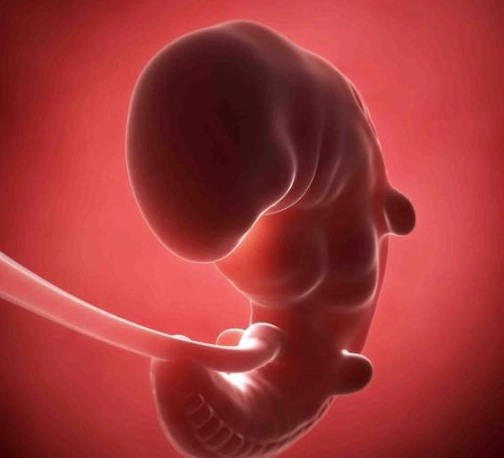
When You Should Definitely Call a Doctor
Most early pregnancy symptoms are uncomfortable but normal. However, some signs warrant a prompt call to your healthcare provider. Don't hesitate. It's always better to check.
- Severe abdominal pain or cramping: Especially if it's concentrated on one side.
- Heavy bleeding: Soaking through a pad in an hour, or passing large clots. (This is different from light implantation spotting).
- Severe dizziness or fainting.
- Painful urination: This could indicate a urinary tract infection, which is common in pregnancy and needs treatment.
- Severe, persistent vomiting: If you can't keep any food or liquids down.
Trust your gut. If something feels seriously wrong to you, even if it's not on this list, make the call. For a comprehensive, medically-reviewed list of warning signs during pregnancy, the American College of Obstetricians and Gynecologists (ACOG) is an invaluable resource.
First Steps After a Positive Test
You got the positive! Now what? First, take a deep breath. Then:
- Call to schedule your first prenatal appointment. They often won't see you until you're 8-10 weeks along, but get it on the books.
- Start taking a prenatal vitamin with at least 400 mcg of folic acid if you aren't already. Folic acid is crucial for preventing neural tube defects very early in development.
- Make some lifestyle adjustments. Avoid alcohol, recreational drugs, and limit caffeine. If you smoke, this is the time to stop—your provider can help. Review any medications you're on with your doctor.
- Eat what you can. If nausea is hitting, focus on small, bland, frequent meals. Crackers by the bed can help with morning queasiness.
- Rest. Listen to your body. If you're exhausted, prioritize sleep. Your body is working overtime.
The symptoms of the first month of pregnancy are just the opening chapter. They're your body's way of adjusting to its new, incredible task. Some are a nuisance, for sure. But understanding them—knowing what's typical, what's surprising, and what needs attention—can make those first uncertain weeks feel a little less daunting.
Pay attention, be kind to yourself, and when in doubt, take a test or make a call. You've got this.
Reader Comments