Let's be honest. Parenting a preschooler feels like negotiating with a tiny, irrational CEO who's had too much sugar. One minute they're hugging you, the next they're melting down because their sandwich was cut into triangles instead of squares. I've been there. After a decade working with families and raising my own kids, I've learned that most generic advice misses the mark. It's not about being perfect; it's about having a few solid, practical strategies in your back pocket. Forget the theory. Here are 10 parenting tips for preschoolers focused on real-life application, connection, and preserving your sanity.
What You'll Find in This Guide
- The Unbelievable Power of Routine (It's Not What You Think)
- How to Be an Emotion Coach, Not a Fixer
- The 5:1 Ratio of Positive Attention
- Letting Natural Consequences Do the Teaching
- Winning the Battle by Avoiding the War: Defusing Power Struggles
- The Art of Cultivating Independent Play
- Realistic Screen Time: A Balanced Approach
- Why Outdoor Time is Non-Negotiable
- You Are Their Mirror: Modeling the Behavior You Want
- The Most Important Tip: Taking Care of You
- Your Burning Preschooler Parenting Questions, Answered
1. The Unbelievable Power of Routine (It's Not What You Think)
Everyone says "have a routine," but they rarely explain why it's a game-changer for preschooler behavior management. It's not about rigid scheduling. It's about predictability. A preschooler's brain is developing at a crazy pace, and the world is full of unknowns. A consistent routine acts like a roadmap, reducing anxiety and those preemptive meltdowns.
The mistake I see? Parents create a minute-by-minute chart. That's exhausting for everyone. Instead, focus on anchor points.
- Morning Anchor: Wake up, use bathroom, get dressed, breakfast.
- Afternoon Anchor: Lunch, quiet time/play, outdoor time.
- Evening Anchor: Dinner, bath, 2 books, bed.
What goes between the anchors can flex. The visual schedule is key. Use pictures. Draw it together. When they ask "what's next?" point to the chart. It transfers the nagging from you to an impersonal system. The American Academy of Pediatrics stresses the importance of consistent routines for sleep and meals—it's foundational, not optional.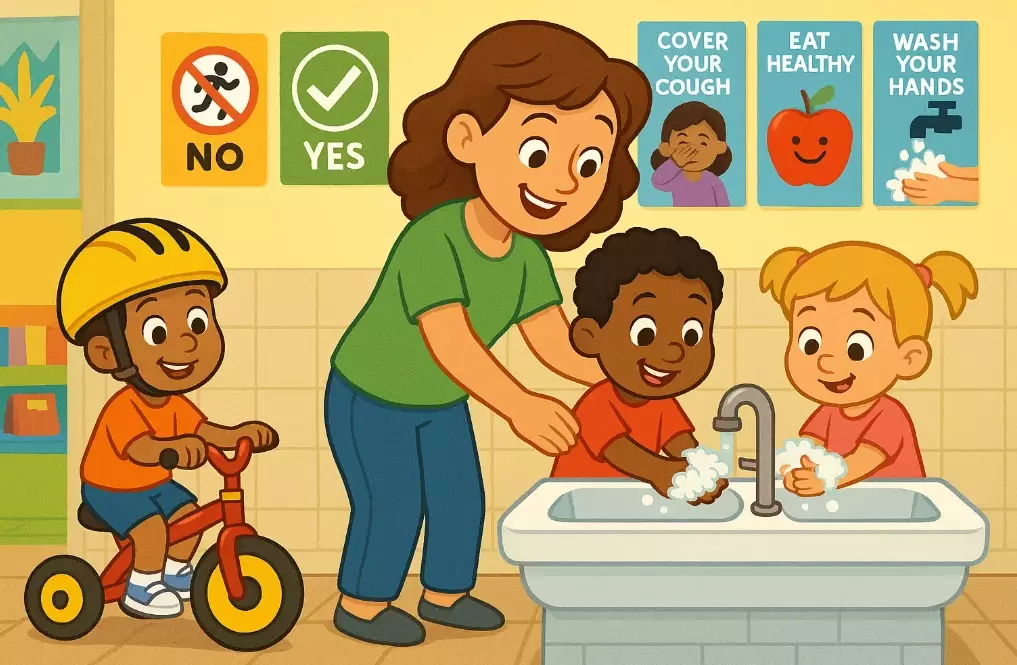
2. How to Be an Emotion Coach, Not a Fixer
Your child screams, "I hate you!" or collapses in tears over a broken cracker. Your instinct is to say "don't say that" or "it's just a cracker." That invalidates their very real, very big feeling. Your job isn't to stop the emotion. It's to guide them through it.
This is emotion coaching. Label the feeling. "You are so frustrated that your tower fell." "You seem really disappointed we can't go to the park." Naming it helps their brain process it. Then, validate. "It's okay to feel angry. I get angry sometimes too." Only after the storm passes do you problem-solve. "Next time, we can build on a firmer floor." This builds emotional intelligence from the inside out.
3. The 5:1 Ratio of Positive Attention
Kids are attention-seeking missiles. They don't differentiate between positive and negative attention. If yelling gets your full, focused attention, that's a win in their primitive brain circuitry. The goal is to flood them with positive attention so they don't need to act out to get it.
Aim for five positive interactions for every one correction or "no." This sounds impossible, but it's about tiny moments.
| Instead of This (Neutral/Negative) | Try This (Positive Connection) |
|---|---|
| Ignoring them while they play quietly. | "I love seeing how you're building that garage for your cars. Tell me about it." (Get down and watch for 2 minutes). |
| "Stop running!" | "Wow, you have so much energy! Let's see if you can hop like a frog to the kitchen instead." |
| "Put your shoes on, now!" (repeatedly). | Playful challenge: "I bet you can't put your shoes on before I count to 20! Ready, go!" |
This tip for positive parenting preschool years is backed by research in child development—it literally strengthens the neural pathways for cooperation.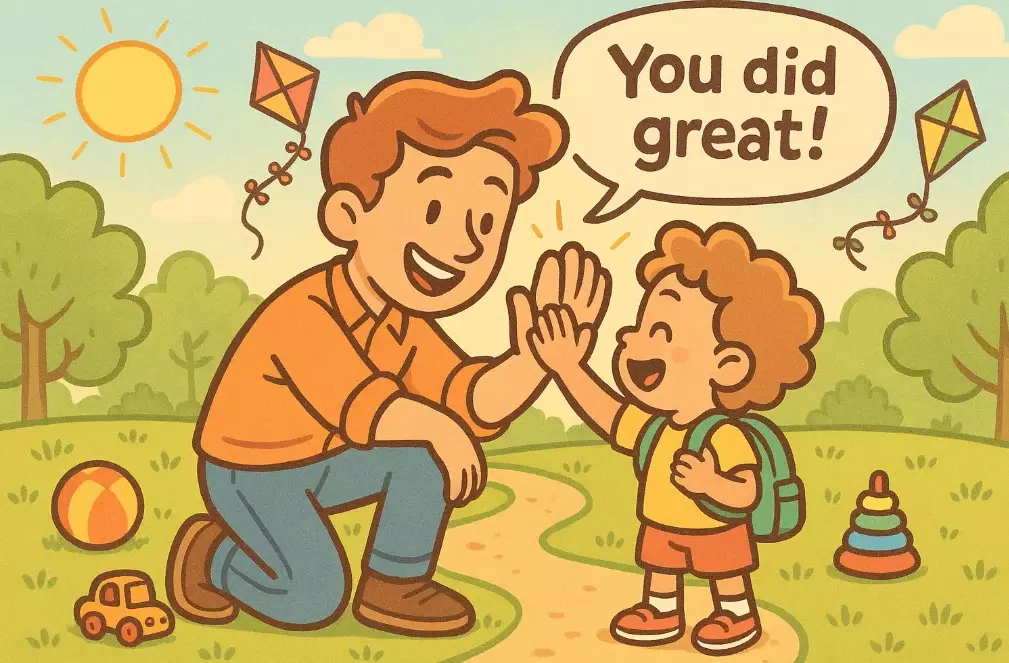
4. Letting Natural Consequences Do the Teaching
We jump in too fast to save them from discomfort. But discomfort is a powerful teacher. A natural consequence is the direct result of a child's choice, without you adding extra punishment.
- If they refuse to wear a coat (and it's chilly but not dangerous), let them feel cold. Don't lecture. Next time, they'll likely choose the coat.
- If they dump all their toys, the natural consequence is that they need to clean them up before the next activity. You help, but they lead.
- If they're dawdling and breakfast isn't eaten, breakfast time ends when it's time to leave. They might be hungry until snack time.
The key? Deliver the consequence with empathy, not "I told you so." "I know you're hungry. Breakfast is over now. Snack time is at 10:00." This teaches responsibility far better than a time-out for not listening.
5. Winning the Battle by Avoiding the War: Defusing Power Struggles
Preschoolers are discovering their autonomy. "You can't make me!" is their anthem. Engaging in a shouting match gives them exactly what they want: power and your full engagement.
How to sidestep the struggle:
Offer limited choices: Not "get dressed," but "do you want the red shirt or the blue shirt?" This gives control within your boundaries.
Use "when...then": "When your teeth are brushed, then we can read your favorite book." It's cooperative, not confrontational.
Be a boring wall. If they're arguing about something non-negotiable (car seat safety), state the rule once calmly, then become uninteresting. "The rule is we buckle up to be safe." Then hum or look out the window. No more fuel for the argument.
My personal rule: Never issue a command you aren't willing to gently enforce. If you say "time to leave the park," be prepared to physically pick them up and go, calmly, if they refuse. Consistency here is everything.
6. The Art of Cultivating Independent Play
"Play with me!" every five minutes is draining. The ability to play alone is a critical skill for creativity and self-regulation. You don't just hope it happens; you scaffold it.
Start small. Set a visual timer for 5 minutes. "I'm going to fold laundry right here. You're going to build with these blocks. When the timer beeps, I'll check out your creation." Gradually increase the time. Create an "invitation to play"—set up a puzzle halfway, or put playdough and cookie cutters on a tray. The setup lowers the barrier to entry.
Resist the urge to jump in and "fix" their play or tell them what to do. Boredom is the precursor to creativity. Let them figure it out.
7. Realistic Screen Time: A Balanced Approach
Let's ditch the guilt. Screens are part of life. The goal isn't elimination; it's mindful integration. The AAP suggests consistent limits and prioritizing high-quality, educational content for this age.
My non-negotiable rules:
- No screens during meals or the hour before bed. The blue light messes with sleep hormones.
- Co-view when possible. Talk about what you're seeing. "Why do you think Daniel Tiger did that?"
- Use it as a tool, not a pacifier. It's okay to use 20 minutes of a show to cook dinner safely. But defaulting to screens to stop every fuss teaches them to seek external stimulation, not internal coping skills.
Have clear transitions. A 5-minute warning, then a specific off-ramp: "After this episode, we'll turn off the TV and go feed the dog."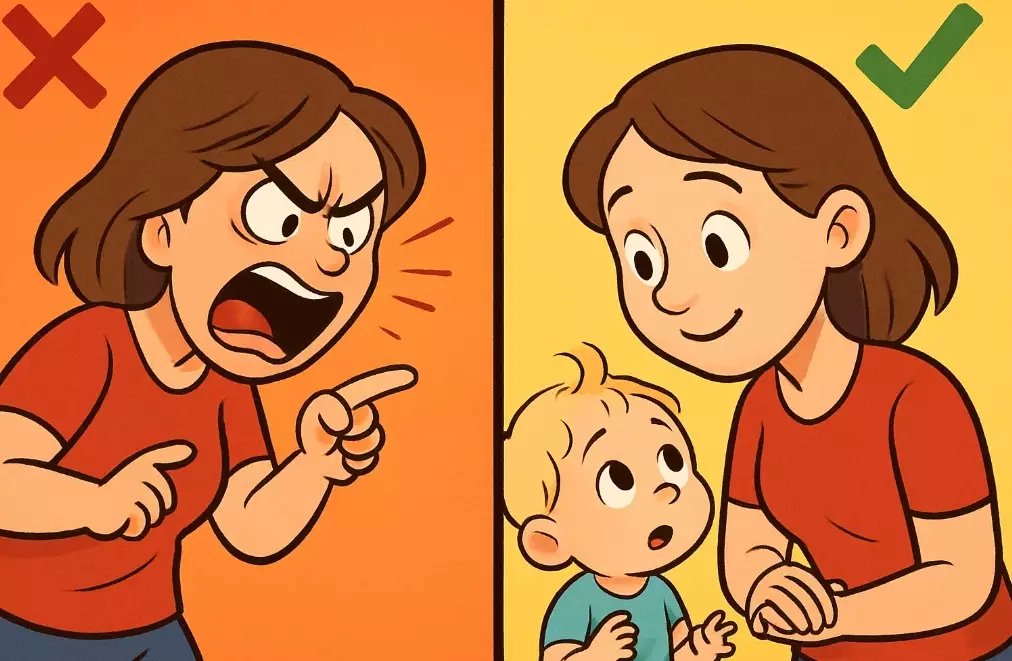
8. Why Outdoor Time is Non-Negotiable
This isn't just about burning energy. Outdoor play is sensory integration therapy. It builds gross motor skills, reduces stress (for them AND you), and fosters risk assessment in a low-stakes environment. A child who is climbing a tree is learning physics, balance, and confidence.
Aim for at least an hour a day, rain or shine. Get proper gear. Go to a park, a trail, or just your backyard. Don't direct the play. Let them poke sticks in mud, collect rocks, watch bugs. This unstructured nature play is disappearing, and our kids' mental health is suffering for it. It's one of the simplest yet most profound parenting tips for preschoolers.
9. You Are Their Mirror: Modeling the Behavior You Want
They are watching everything. You can't yell "STOP YELLING!" and expect it to work. Want them to say please? You say please to them and your partner. Want them to manage frustration? Narrate your own process. "Ugh, I can't find my keys. I'm feeling frustrated. I'm going to take a deep breath and look on the hook first."
Apologize when you mess up. "I'm sorry I snapped at you earlier. I was feeling rushed, but that wasn't kind. I'll try to use a calmer voice next time." This shows them that repair is possible and that adults are works in progress too.
10. The Most Important Tip: Taking Care of You
A depleted parent has no patience, no creativity, and no resilience. You can't pour from an empty cup. This isn't selfish; it's operational.
Self-care isn't a spa day (though nice). It's the micro-habits: drinking water while you make their breakfast, putting your phone away for 30 minutes to read your own book, swapping babysitting with a friend for a solo walk. It's asking your partner for a specific break: "I need 20 minutes with no one touching me after dinner."
When you're regulated, you can co-regulate your dysregulated child. Your calm is their calm. Prioritizing your well-being is the engine that makes all the other tips run.
Your Burning Preschooler Parenting Questions, Answered
 My child refuses to try any new foods. Are mealturns just going to be a battle until they're 18?
Remember, these parenting tips for preschoolers aren't a checklist for perfection. Pick one or two that resonate and practice them this week. Some days you'll nail it. Other days, you'll count to ten in the pantry while eating their leftover goldfish. Both are part of the journey. The goal is progress, not perfection, and a relationship built on mutual respect and a whole lot of grace.
Reader Comments