Quick Navigation
Let's be real. The third trimester is a whole different ball game. You're huge, you're tired, and everyone seems to have an opinion on what you should or shouldn't be doing. It's easy to feel overwhelmed, especially when you're just trying to get through the day and keep your baby safe.
I remember with my first, I was so paranoid about doing something wrong. I'd google everything, from "can I eat that cheese?" to "is it okay to bend over?" The information was everywhere, and a lot of it was conflicting. It was exhausting.
That's why I wanted to write this. Not as a medical professional—always, always talk to your doctor or midwife about your specific situation—but as someone who's been in the trenches. This is a straight-talk guide on what not to do in your third trimester of pregnancy. We're going to cut through the noise and focus on the stuff that actually matters for keeping you and your little one safe and healthy during these final, crucial weeks.
Think of it as your cheat sheet for avoiding common mistakes and unnecessary risks.
The Top 5 Things You're Probably Getting Wrong About the Third Trimester
Before we dive into the specific don'ts, let's clear up some widespread misconceptions. These aren't necessarily dangerous, but they can make your life harder or add to your anxiety.
Mistake #1: Treating "Full Term" as a Finish Line. You hit 37 weeks and think, "Great, baby can come anytime!" I totally did this. But here's the thing: while 37 weeks is technically full term, babies continue important development in the brain and lungs right up to 39 weeks. The American College of Obstetricians and Gynecologists (ACOG) clearly states that "elective delivery"—inducing labor or having a c-section without a medical reason—should not be scheduled before 39 weeks. So, don't rush it. Let baby cook a little longer if they're happy in there.
Mistake #2: Ignoring Your Body Because "Pregnancy is Supposed to Be Uncomfortable." Yes, discomfort is normal. Crippling back pain, severe headaches, or sudden swelling? Not so much. There's a dangerous tendency to brush off new or intense symptoms as "just part of it." Knowing what not to do in your third trimester includes not ignoring red flags. Severe pain, vision changes, a drastic reduction in baby's movements, or a headache that won't quit are your body's alarm system. Call your provider.
I brushed off intense upper abdominal pain as heartburn. Turns out, it was a sign of preeclampsia. Don't be like me. If something feels *off*, get it checked.
Mistake #3: The "Nest Like a Maniac" Trap. The nesting instinct is real and powerful. But scrubbing floors on your hands and knees at 36 weeks? Rearranging the entire nursery furniture by yourself? That's a fast track to injury or sheer exhaustion. Delegate, hire help, or just... let some things go. A dusty baseboard is not worth a pulled muscle.
Mistake #4: Stopping All Exercise. If you were active before, and your pregnancy is uncomplicated, slowing down is wise, but stopping completely isn't usually necessary. Gentle movement like walking or prenatal yoga can actually ease aches, improve sleep, and prepare your body for labor. The key is listening to your body and avoiding anything that causes pain, dizziness, or impact. The opposite—suddenly starting a intense new workout regimen—is also a big no-no.
Mistake #5: Obsessing Over Labor Horror Stories. Seriously, stop this. Every birth is unique. Listening to everyone's worst-case scenario will only feed your anxiety. Focus on preparing yourself with positive information and practical skills, like breathing techniques.
The Absolute "What Not to Do" Checklist for the Third Trimester
Okay, now let's get into the concrete stuff. This is the core list of activities, foods, and habits to avoid. Print it out, stick it on the fridge.
Physical Activities and Positions to Sideline
Your center of gravity is gone. Your ligaments are loose. This is not the time for acrobatics.
- Lie Flat on Your Back for Extended Periods: This one's crucial. The weight of your uterus can press on a major vein called the vena cava, reducing blood flow to your heart and your baby. It can make you feel dizzy and nauseous. Sleep on your side (left is best, but right is fine too). Use pillows for support.
- High-Impact or Contact Sports: This should be obvious, but it's worth repeating. No running, jumping, horseback riding, soccer, or anything where you could fall or get hit in the abdomen. The risk of placental abruption (where the placenta separates from the uterine wall) is real and dangerous.
- Heavy Lifting: What's "heavy" depends on you. A good rule of thumb? If you have to strain, hold your breath, or it causes any pelvic pressure or pain, it's too heavy. Let someone else carry the grocery bags, the laundry basket, or the toddler.
- Overstretching or Deep Twists: Your body produces relaxin, a hormone that loosens joints. You might feel more flexible, but that makes you prone to overstretching and injury. In yoga, avoid deep backbends, intense twists that compress the belly, and poses that put all your weight on your wrists.
- Standing Still for Too Long: This can pool blood in your legs, leading to swelling, dizziness, and varicose veins. If your job requires standing, shift your weight often, take sitting breaks, and consider compression stockings.

The Food and Drink No-Go Zone
Food safety is paramount now. Your immune system is slightly suppressed, making you more susceptible to foodborne illnesses that can be very serious for pregnancy.
| What to Avoid | Why It's Risky | Safer Alternative |
|---|---|---|
| Unpasteurized Dairy & Juices (soft cheeses like brie, feta, queso fresco unless labeled pasteurized) | Risk of Listeria, which can cause miscarriage, stillbirth, or severe illness in newborns. | Cheeses made from pasteurized milk. Check labels carefully. |
| Raw or Undercooked Meat, Fish, Eggs (rare steak, sushi with raw fish, runny eggs, unpasteurized eggs) | Risk of Toxoplasmosis, Salmonella, and other parasites/bacteria. | Cook meat, fish, and eggs thoroughly. Opt for vegetarian sushi or cooked fish rolls. |
| High-Mercury Fish (swordfish, king mackerel, shark, tilefish, bigeye tuna) | Mercury can harm a baby's developing nervous system. | Low-mercury options like salmon, shrimp, pollock, tilapia, cod. The FDA's fish advice chart is a great resource. |
| Raw Sprouts (alfalfa, clover, radish, mung bean) | Bacteria can get into the seeds and are nearly impossible to wash off. | Cook sprouts thoroughly if you must have them. |
| Excessive Caffeine (more than 200mg per day) | Can cross the placenta. High intake is linked to low birth weight. | Stick to one 12-oz cup of coffee. Remember, caffeine is also in tea, soda, and chocolate. |
| Alcohol | No amount is proven safe. Can cause Fetal Alcohol Spectrum Disorders (FASDs). | Mocktails, sparkling water with fruit, herbal teas (check with provider first). |
Pro Tip: When in doubt, heat it up. Heating leftovers until they're steaming hot can kill potential bacteria like listeria, which is a bit more heat-resistant. The CDC's listeria page has detailed info for pregnant people.
Medications, Supplements, and Herbal Remedies
This is a big one. Never assume something is safe just because it's "natural" or over-the-counter.
- Don't Take Any New Medication Without Consulting Your OB/GYN or Midwife: This includes pain relievers (some NSAIDs like ibuprofen are contraindicated in the third trimester), cold medicines, herbal supplements, and essential oils. Even common herbs like black cohosh or pennyroyal can trigger contractions.
- Don't Skip Your Prenatal Vitamin: Iron and folic acid are still vital. Iron helps prevent anemia, which is common late in pregnancy and can leave you feeling utterly drained.
- Don't Use Nicotine or Recreational Drugs: Smoking restricts oxygen to the baby and is linked to preterm birth and low birth weight. The same goes for vaping—we don't know enough about the long-term effects of the chemicals. Illicit drugs pose severe risks to both mother and baby.

Travel, Stress, and Other Late-Pregnancy Pitfalls
Beyond the obvious physical stuff, there are lifestyle factors that really matter in the home stretch.
Long-Distance Travel: Many airlines restrict travel after 36 weeks. Even before that, sitting for hours in a car or plane increases the risk of blood clots (deep vein thrombosis). If you must travel, get up and walk every hour, stay hydrated, and wear compression socks. And always have your medical records handy, just in case.
Honestly, after 34 weeks, I wouldn't plan a trip more than an hour or two from your hospital. You just never know.
Ignoring Your Mental Health: Anxiety and mood swings are common, but they shouldn't be debilitating. Don't suffer in silence. What not to do in your third trimester includes not dismissing feelings of overwhelming anxiety or deep sadness as "just hormones." Talk to your partner, your friends, or your provider. Perinatal depression and anxiety are real and treatable.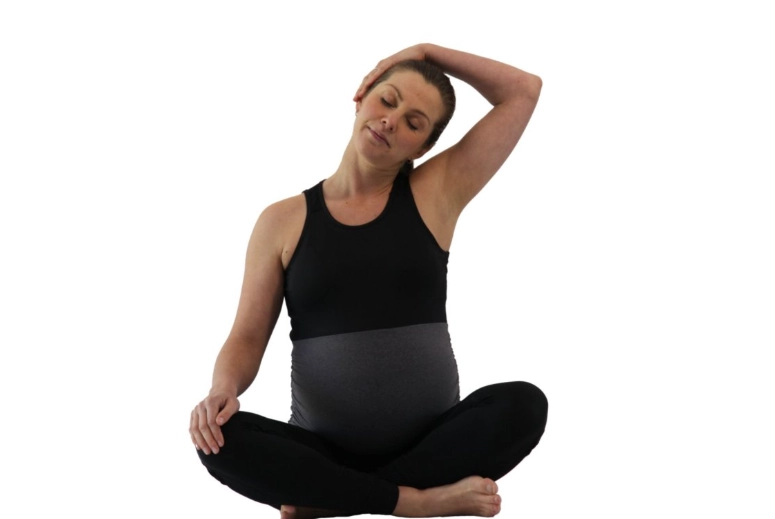
Dehydration: It sounds simple, but it's easy to forget to drink water when you're running to the bathroom every 20 minutes. Dehydration can lead to Braxton Hicks contractions, dizziness, and even preterm labor in severe cases. Carry a water bottle everywhere.
Hot Tubs, Saunas, and Very Hot Baths: Raising your core body temperature too high, especially for prolonged periods, can be harmful to the baby. A warm bath is fine, but if you start to sweat or feel overheated, it's too hot. The ACOG advises against activities that could cause overheating.
Your Third Trimester "What Not to Do" FAQ
Figuring out what not to do in your third trimester of pregnancy can feel like a minefield. But it really boils down to common sense, listening to your body, and erring on the side of caution.
Don't take unnecessary physical risks. Be militant about food safety. Run any pill, herb, or supplement by your care team. And most importantly, don't ignore new or severe symptoms.
This final stretch is about conservation—saving your energy for labor, delivery, and the marathon of newborn life. It's not about being perfect. It's about being safe and as comfortable as you can be. You've got this.
Reader Comments