Let's cut to the chase. The idea of "feeling" pregnant the moment it happens is mostly a myth sold by movies. In reality, at one month pregnant (which is about two weeks after conception), your body is just starting to send signals. Some women get a strong hunch, others have no clue. The answer isn't a simple yes or no—it's a spectrum of possibilities based on what your body decides to tell you.
I remember a friend who swore she knew the day she conceived. She felt a weird "ping." Another friend went six weeks without a clue, blaming her missed period on stress. Both were right for their own bodies. Your experience will be uniquely yours.
What's Inside This Guide
What Are the Earliest Signs of Pregnancy at 1 Month?
By week 4, the embryo has implanted, and your body starts producing the pregnancy hormone hCG. This is when the first whispers of symptoms can begin. Don't expect a neon sign. Think of it more like your body's internal system sending out faint, easily misinterpreted memos.
The Most Common (and Reliable) Indicators
These are the signals that make most women pick up a pregnancy test.
A Missed Period: This is the big one. If your cycle is regular, a missed period is the single most telling sign at the one-month mark. But here's the catch many miss—if you have irregular cycles, this sign loses its power. Stress, diet changes, or illness can also delay ovulation and your period.
Implantation Bleeding: About 6-12 days after conception, some women experience light spotting or bleeding as the embryo attaches to the uterine wall. It's often mistaken for a very light period. The key differences? It's usually lighter in flow, pink or brownish (not bright red), and lasts only a day or two. I've had clients panic, thinking they were getting their period, when it was actually the first sign of pregnancy.
Tender, Swollen Breasts: Hormonal changes can make your breasts feel sore, full, or tingly. The areola (the area around the nipple) might also darken. This can feel similar to premenstrual symptoms, but often more intense.
The Subtle (and Often Overlooked) Clues
These symptoms are sneakier. You might brush them off as a bug, stress, or just an off day.
| Symptom | What It Feels Like | Why It's Easy to Miss |
|---|---|---|
| Fatigue | Crushing exhaustion, like you've run a marathon after a normal day. Napping feels urgent. | We're all tired, right? It's easy to blame work, poor sleep, or just life. |
| Heightened Sense of Smell | Suddenly, your partner's coffee breath is offensive, or the smell of garlic cooking makes you queasy. | You might just think the trash needs taking out or the restaurant is using stronger spices. |
| Frequent Urination | Running to the bathroom more often, even at night. | Did I drink too much water? Is it a mild UTI? The connection isn't obvious. |
| Mild Cramping | Dull aches or mild cramps in your lower abdomen. | This feels exactly like period cramps are on their way. It's the body's most confusing signal. |
| Food Aversions or Cravings | Your favorite sandwich suddenly seems revolting. Or you need pickles at 10 PM. | We all have weird food days. This one only rings a bell in hindsight. |
Here's a non-consensus point most articles won't tell you: many women report a specific, metallic taste in their mouth very early on. It's not common enough to be a standard symptom, but if you're experiencing it along with other clues, it's worth noting.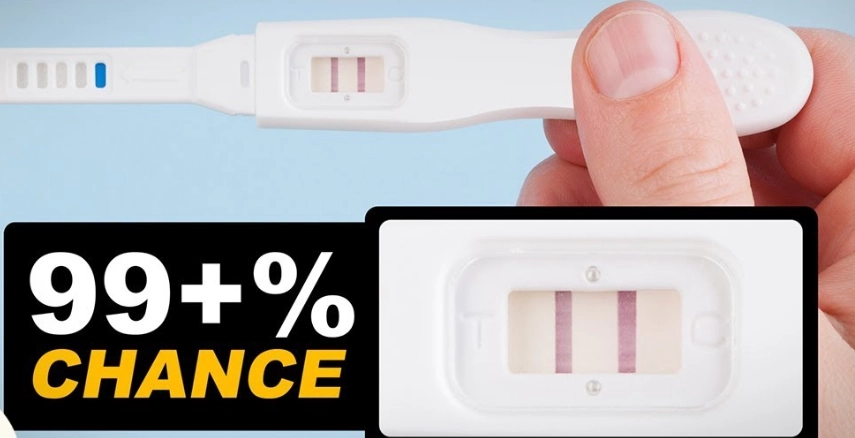
How to Confirm Pregnancy at 1 Month
Suspecting is one thing. Knowing is another. Here's your action plan.
The Home Pregnancy Test (HPT): This is your first stop. Modern tests are highly sensitive and can detect hCG in your urine around the time of your missed period. For the most accurate result, test with your first morning urine, as it's more concentrated. A positive test is almost certainly correct. A negative test? Wait a few days and test again if your period still hasn't arrived.
Blood Test: Ordered by a doctor, a quantitative blood test measures the exact amount of hCG in your blood. It's more sensitive than a urine test and can detect pregnancy even earlier—about 6-8 days after ovulation. It also helps track if hCG levels are rising appropriately in early pregnancy.
Timing is Everything: The biggest mistake is testing too early. If you test the day after you think you conceived, you'll get a negative, even if you are pregnant. Your body needs time to produce enough hCG for the test to catch it. The general rule is to wait until the first day of your missed period. If you're impatient, some ultra-sensitive tests claim to work 4-5 days before your missed period, but accuracy increases the longer you wait.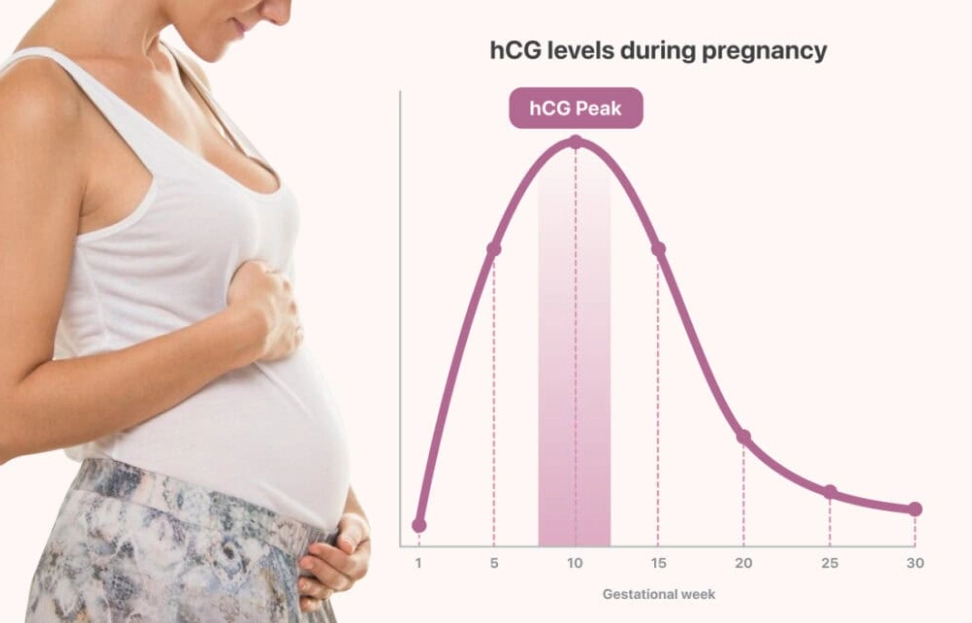
Pro Tip: Don't trust a faint line? Digital tests that spell out "Pregnant" or "Not Pregnant" remove the guesswork and line-eye squinting. They're worth the extra few dollars for peace of mind.
Common Mistakes and Misconceptions
Let's clear up the noise. After talking to hundreds of women, I see the same patterns.
Mistake 1: Symptom Spotting Every Little Twinge. The mind is powerful. If you're trying to conceive, it's easy to interpret every bit of gas, fatigue, or mood swing as a pregnancy sign. This creates immense anxiety. Try to observe your body without jumping to conclusions until you have a concrete sign like a missed period or a positive test.
Mistake 2: Assuming "Morning" Sickness Only Happens in the Morning. The nausea of early pregnancy can strike any time—afternoon, evening, all day. Calling it "morning sickness" sets the wrong expectation. It can also come and go; having a nausea-free day doesn't mean something's wrong.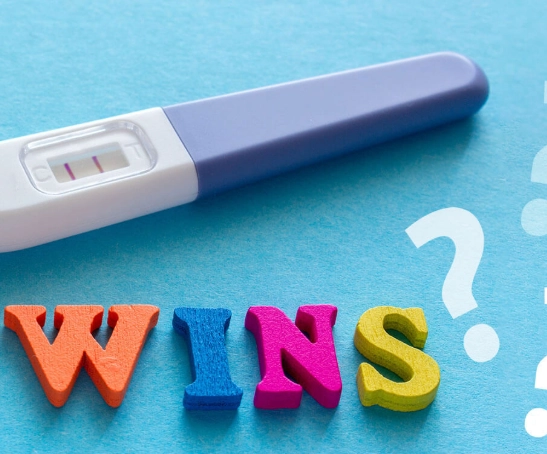
Mistake 3: Ignoring Implantation Bleeding or Mistaking It for a Period. This leads women to believe they aren't pregnant and potentially delay prenatal care. If your "period" is unusually light and short, consider taking a test.
Mistake 4: Relying Solely on an App's Prediction. Apps guess your ovulation and fertile window. They aren't perfect. Sperm can live for up to 5 days inside you. Conception could have happened days before or after your app's "peak" day, shifting your entire timeline.
What to Do Next: Expert-Level Tips
You've got a positive test or strong suspicions. Now what?
- Start Taking Prenatal Vitamins Immediately. The neural tube (which becomes the brain and spine) develops in the first month. Folic acid is critical right now. Don't wait for a doctor's appointment.
- Call Your OB-GYN or Midwife. Most won't see you until you're 8 weeks along, but getting on their schedule is step one. They'll give you preliminary advice.
- Review Your Habits. Cut out alcohol, recreational drugs, and limit caffeine. Check with your doctor about any prescription medications.
- Don't Panic About What You Did Before You Knew. Had a glass of wine? Went on a roller coaster? The embryo is incredibly resilient in these early weeks. Just make healthy choices moving forward.
- Listen to Reputable Sources. Bookmark sites like the American College of Obstetricians and Gynecologists (ACOG) for evidence-based information, not just forum anecdotes.
The first month is a strange limbo of maybe-knowing. Be kind to yourself. The uncertainty is normal.
Your Burning Questions Answered
I have cramps but no period. Could I be pregnant?
Absolutely possible. Early pregnancy cramps are common as your uterus begins to stretch and grow. They feel remarkably similar to menstrual cramps. The differentiating factor is the absence of bleeding (or the presence of very light implantation spotting). If your period is late and you're cramping, a pregnancy test is your next logical step.
How soon after sex can I get a positive pregnancy test?
You need to allow time for conception, implantation, and hCG production. The earliest you might get a positive is about 10-14 days after sex (which aligns with around the time of your missed period). Testing at 7-8 days post-sex will almost always give a false negative, leading to unnecessary disappointment. Patience, though agonizing, is key.
Can you have a period and still be pregnant in the first month?
No, not a true menstrual period. However, you can have bleeding that resembles a period. Implantation bleeding is one cause. Some women also experience light bleeding around the time their period is due due to hormonal shifts. Any bleeding in early pregnancy should be discussed with your doctor, but light spotting doesn't automatically mean something is wrong.
My test was negative, but I still have no period and feel weird. What gives?
This is incredibly frustrating. Several things could be happening: 1) You ovulated later than you thought, so you tested too early. Wait 3-5 days and test again. 2) Your symptoms are due to something else entirely—stress, a pending illness, hormonal fluctuations from a condition like PCOS. 3) In rare cases, a very diluted urine sample can cause a false negative. If your period is more than a week late and tests remain negative, schedule a visit with your doctor to check for other causes.
Are there any signs that mean I should call a doctor immediately?
Yes. While most early pregnancy symptoms are normal, seek medical advice promptly if you experience severe one-sided abdominal pain (which could indicate an ectopic pregnancy), heavy bleeding like a period (soaking a pad in an hour), or severe dizziness and shoulder pain. Trust your gut. If something feels "off" or intensely wrong, don't wait—call your provider.
The journey of a thousand miles begins with a single step, and a nine-month journey often begins with a single, faint line on a stick. Whether you're hoping for a positive or bracing for a negative, knowledge takes the fear out of the unknown. Listen to your body, but let science have the final word.
Reader Comments