Quick Guide
Let's be real. Pregnancy is a wild ride of unexpected symptoms. One day you're fine, the next you're convinced you've been licking pennies because there's this persistent, metallic, or just plain bitter taste in your mouth. It's not pleasant. And of course, the moment you mention it to a friend, your mom, or an online forum, someone inevitably says, "Oh, that means you're having a boy!" Or maybe a girl? The advice seems to flip-flop.
So you search "bitter taste in mouth during pregnancy boy or girl," hoping for a clue. I get it. When you're pregnant, every little change feels like a sign. But before you start painting the nursery blue or pink based on your taste buds, let's take a deep breath and look at what's really going on.
I've been there. With my first, I had that metallic taste so strongly in the first trimester that even water tasted off. And yes, I secretly looked up all those "signs" too. It's natural to be curious. But as someone who's waded through the myths and the science, I'm here to tell you the straight story.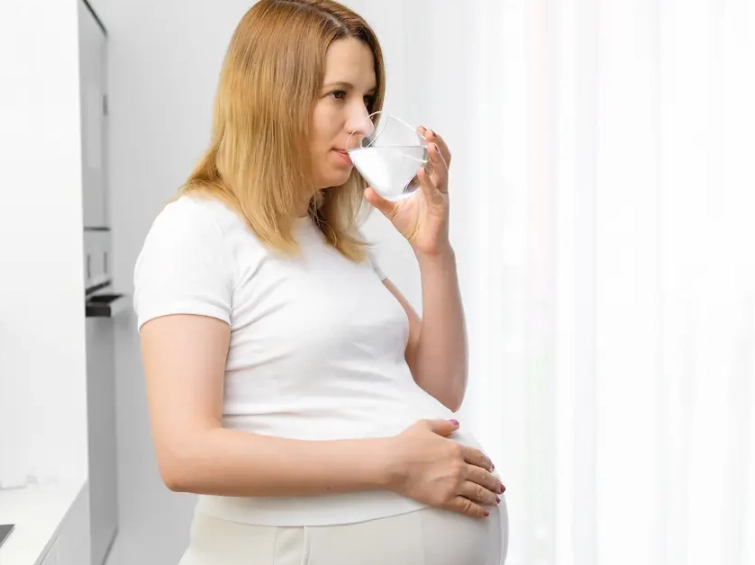
The bottom line up front: That bitter or metallic taste is a very real and common pregnancy symptom with a medical name—dysgeusia (dis-GOO-see-uh). It is not a reliable indicator of your baby's sex. The connection between a bitter taste in your mouth and having a boy or a girl is purely anecdotal, a classic old wives' tale. The real causes are rooted in the hormonal and physical changes your body is undergoing.
What Is This Taste? Meet Dysgeusia
Dysgeusia is the fancy term for a distorted sense of taste. It's not just about things tasting "bad"—it's that things taste fundamentally different than they should. For many pregnant people, this manifests as a constant metallic, sour, or bitter taste, almost like you have coins in your mouth. It can happen even when you're not eating anything.
It's most common during the first trimester, often hand-in-hand with morning sickness (though you can have one without the other). For some, it lingers or comes and goes throughout pregnancy.
Why does it happen? Let's break down the science, because understanding the "why" makes it less mysterious and annoying.
The Real Culprits Behind the Bitter Taste
Forget gender predictions. Here are the actual, scientifically-supported reasons you might be dealing with this:
- The Hormone Surge: This is the big one. The rapid rise in estrogen and progesterone in early pregnancy can directly affect your taste buds and your sense of smell (which is tightly linked to taste). These hormones can alter how your brain interprets taste signals. The American Pregnancy Association notes that hormonal fluctuations are a primary driver of many early pregnancy symptoms, including changes in taste.
- Increased Blood Volume: Your body is working overtime to build a placenta and support your baby. This requires a huge increase in blood volume. Some experts think this extra blood flow can cause slight swelling or changes in your gums and the membranes in your mouth, subtly altering your taste perception.
- Saliva Changes: Pregnancy can change the composition and pH of your saliva. You might produce more saliva (ptyalism), and it can become more acidic. An acidic oral environment can contribute to that metallic or sour sensation.
- Enhanced Sense of Smell (Hyperosmia): Your super-powered pregnancy nose isn't helping. When smells are stronger and sometimes distorted, it directly influences how you perceive flavors, often amplifying bitter or unpleasant notes.
- Prenatal Vitamins: It's a bit ironic, but the iron in your prenatal vitamin is a classic cause of a metallic taste. The form of iron (ferrous sulfate) can cause this side effect. If it's severe, talk to your doctor about trying a different formulation, like ferrous bisglycinate, which is often gentler.
See? All physiology, no fortune-telling.
The Great Gender Guess: Separating Fact from Folklore
Let's tackle the elephant in the room head-on. The idea that a bitter taste in mouth during pregnancy means a boy or a girl is a persistent myth with zero scientific backing.
Where did it even come from? These tales often stem from a time before ultrasounds when people tried to find any pattern to predict gender. One version says a metallic/bitter taste means you're carrying a boy, supposedly because of higher testosterone. Another version claims it predicts a girl. The contradiction itself tells you it's not reliable.
A study published by the National Institutes of Health (NIH) on prenatal hormone exposure and childhood development highlights how complex fetal hormone influence is, but it doesn't link maternal taste perception directly to fetal sex hormones in a predictive way. The hormones causing your dysgeusia are your hormones (estrogen, progesterone), not the baby's.
Think about it logically. If this were a true sign, about half of all pregnant people would experience it—those having boys, according to one version of the myth. But in reality, dysgeusia is reported by a significant majority of pregnant individuals, across all genders of babies. It's simply too common to be a useful differentiator.
Honestly, relying on these signs can set you up for a surprise. I know someone who was convinced she was having a boy based on several old wives' tales, including how she was carrying and yes, her food aversions. She had a beautiful baby girl. The nursery was a last-minute scramble!
So, How *Can* You Deal With the Bitter Taste? (Practical Relief Strategies)
Since we can't wish it away or use it to guess the baby's gender, let's focus on what actually helps. Managing a bitter taste during pregnancy is about coping strategies. What works for one person might not for another, so it's worth experimenting.
Top Strategies to Combat Pregnancy Dysgeusia
| Strategy | What to Do | Why It Might Help |
|---|---|---|
| Oral Hygiene Tweaks | Brush your teeth gently 2-3 times a day with a mild-flavored toothpaste (try kids' flavors or unflavored). Use a tongue scraper. Rinse with a mild saltwater or baking soda solution (1/4 tsp baking soda in 1 cup water). | Directly cleanses the palate, neutralizes acids, and removes residue that can contribute to bad taste. The American Dental Association (ADA) confirms good oral hygiene is safe and crucial during pregnancy. |
| Dietary Adjustments | Eat frequent, small, bland meals. Suck on sour or tart candies (lemon drops), chew sugar-free gum (mint or citrus). Use salad dressings (vinaigrette), lemon juice, or pickles on food. Drink cold fluids, smoothies, or herbal teas (ginger, peppermint). | Sour flavors can counteract metallic/bitter notes. Cold and bland foods are less likely to trigger taste distortions. Ginger and peppermint are classic stomach settlers. |
| Prenatal Vitamin Timing | Take your prenatal with a larger meal or right before bed. Ask your provider about switching to a slow-release iron or a different iron formulation. | Taking vitamins on a full stomach minimizes direct contact of iron with your taste buds. Different iron types have fewer side effects. |
| Stay Hydrated (Cleverly) | Infuse water with cucumber, citrus slices, or berries. Use a straw to bypass some taste buds. Try coconut water or sparkling water. | Dehydration can worsen the taste. Flavored and fizzy waters are often more palatable and help flush your system. |
| Distract Your Palate | Snack on crunchy, cold vegetables (cucumber, bell peppers). Keep hard candies (peppermint, cinnamon) handy. Try frozen fruit chunks like pineapple or mango. | Crunchy and cold textures provide sensory distraction. Strong, pleasant flavors from candy or fruit can temporarily override the bitter taste. |
It's also worth checking in with your dentist. Pregnancy gingivitis is common and can contribute to a bad taste. A professional cleaning can make a world of difference.
The good news? For most, dysgeusia peaks in the first trimester and fades as hormone levels stabilize. It's a temporary, though frustrating, passenger on your pregnancy journey.
When Should You Be Concerned?
While a bitter or metallic taste is almost always a benign pregnancy symptom, there are rare cases where it could point to something else. It's not likely, but it's good to be informed.
Contact your doctor or midwife if the taste is accompanied by:
- Severe pain or burning in your mouth or throat.
- Signs of infection like fever, swelling, or pus.
- An inability to eat or drink leading to dehydration (dark urine, dizziness).
- A persistent bad taste that suddenly changes or worsens dramatically in later pregnancy.
Sometimes, certain medications or deficiencies (like zinc or vitamin B12) can cause taste disturbances. Your healthcare provider can help rule these out. The American College of Obstetricians and Gynecologists (ACOG) is a great resource for understanding which symptoms warrant a call to your provider.

Your Burning Questions Answered (FAQ)
Let's get into some specific questions that pop up around this topic. These are the things people are really searching for.

Wrapping It Up: Focus on the Real, Not the Guess
That search for "bitter taste in mouth during pregnancy boy or girl" is so understandable. We crave clues about the little life growing inside us. But this particular symptom is your body talking about its own incredible transformation, not sending coded messages about pink or blue.
Dysgeusia is a real, physical side effect of the hormonal storm needed to grow your baby. It's a sign your body is working hard, not a crystal ball. While the old wives' tales are fun to chat about, don't let them cause unnecessary stress or expectation.
Use the practical tips to manage the discomfort, know that it's almost always temporary, and save the gender reveal for the ultrasound or the big birth day surprise. Your energy is better spent on coping with the symptom than decoding it.
And hey, if someone tells you your bitter taste means it's definitely a boy, you can just smile and say, "Actually, science says it just means I'm pregnant."
Reader Comments