Let's be honest. The toddler years can feel like a wild rollercoaster. One minute you're marveling at their new words, the next you're navigating a full-blown meltdown because the banana broke the wrong way. If you're searching for positive parenting tips for toddlers, you're likely looking for a way off the punishment-reaction cycle and towards something that actually builds your child's character and your connection. This isn't about being permissive. It's about being proactive, intentional, and connected. After years of working with families and raising my own, I've found these five strategies form the bedrock of effective, peaceful toddler parenting.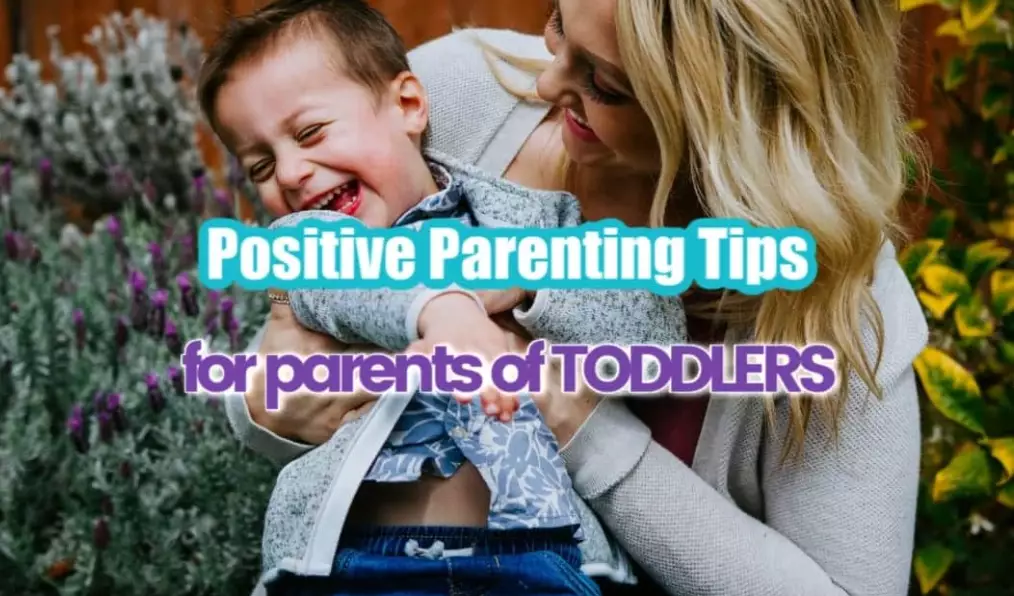
Your Quick Guide to Positive Parenting
1. Connection Before Correction
This is the golden rule, and most parents get it backwards. When your toddler is hitting, throwing, or screaming, your brain screams "STOP THAT BEHAVIOR." But correction in that moment often escalates the power struggle. Their underdeveloped brain is flooded with stress chemicals. Logic is offline.
Connection means addressing the feeling before the action. It looks like getting down on their level, making eye contact, and saying, "You're really frustrated that your tower fell. That's so disappointing." You're not approving of the subsequent toy throw, but you're validating the root cause. This simple act of empathy does two things: it helps their nervous system regulate (because they feel understood), and it teaches them the words for their inner world. A child who feels connected is far more likely to cooperate later. The American Academy of Pediatrics emphasizes the importance of responsive, nurturing relationships for healthy social-emotional development.
A real scenario: Your toddler snatches a toy from a playmate. Instead of "Give that back right now!" try: "You really want that truck. It's hard to wait. Let's give it back to Sam, and we can ask for a turn." You've connected with the desire, then guided the appropriate action.
2. Build Predictable Routines (Your Secret Weapon)
Toddlers thrive on predictability. Their world is confusing and full of things they can't control. A consistent routine is the framework that makes them feel safe. Power struggles around meals, baths, and bedtime often stem from unexpected transitions.
Create a simple, visual rhythm for the day. You don't need a minute-by-minute schedule. Focus on the key anchors: wake-up, meals, nap, play, bath, bedtime. Talk them through it: "After we finish our lunch, we'll read a book, then it's nap time." This gives them a sense of agency and reduces anxiety-driven resistance.
| Time of Day | Routine Anchor | Parenting Tip |
|---|---|---|
| Morning | Wake-up & Breakfast | Use a wake-up light or simple song to signal the start of the day. Offer two breakfast choices (e.g., "oatmeal or eggs?") to empower them. |
| Mid-Day | Pre-Nap Wind Down | Initiate a 10-minute calm routine (e.g., dim lights, quiet book, snuggle). This cues their body for sleep better than sudden demands. |
| Evening | Bedtime Process | Make it sequential and predictable: Bath, PJs, 2 books, song, lights out. Consistency here is crucial for sleep. |
| Transitions | Leaving Playground/Activity | Give a 5-minute and 1-minute warning. "Five more minutes of sliding, then we'll wave bye-bye to the park." This prevents abrupt, upsetting endings. |
The mistake I see? Parents create a rigid schedule and then stress when life interrupts it. The goal isn't perfection. It's a predictable flow that your child can recognize, which dramatically cuts down on daily battles.
3. Use Positive Guidance, Not Just Commands
Toddler brains are terrible at processing negatives. When you say "Don't run!" their brain highlights the image of... running. Positive guidance tells them what to do instead.
Why This Works for Toddler Behavior Management
It provides a clear, achievable alternative. It's coaching, not policing. This is the core of positive discipline for toddlers.
- Instead of: "Stop whining!"
Try: "Use your strong voice. Say, 'Mom, I need help.'" - Instead of: "Don't throw food!"
Try: "Food stays on the plate. If you're all done, you can say 'all done.'" - Instead of: "Don't hit your sister!"
Try: "Gentle hands. Let me show you how to pat gently."
This takes practice. Your default will be to shout the "don't." But shifting your language is powerful. It teaches the behavior you want to see and models respectful communication.
4. Name Emotions to Tame Them
Toddlers experience huge feelings in tiny bodies. They lack the vocabulary for frustration, jealousy, or overwhelm, so it comes out as hitting, biting, or collapsing on the floor. Your job is to be their emotion coach.
When you see a big feeling, label it. "You look so excited your friend is here!" "You're feeling sad because we have to leave. It's okay to feel sad." "That loud noise scared you." This practice, often called building emotional literacy, helps children understand their internal experiences. A child who can say "I'm mad" is less likely to need to show you by throwing a toy.
Don't just label the negative. Celebrate and name the positive emotions too—pride, joy, contentment. This builds a full emotional vocabulary. Resources from the Center on the Social and Emotional Foundations for Early Learning (CSEFEL) strongly support this strategy for promoting healthy development.
5. Prioritize Your Own Well-being
This is the tip most parents skip, and it's the one that makes all the others possible. You cannot pour from an empty cup. Positive parenting requires patience, presence, and regulation—all of which evaporate when you're exhausted, hungry, or overwhelmed.
This isn't about weekly spa days. It's about micro-moments of self-care. It's drinking a full glass of water while your toddler eats breakfast. It's taking three deep breaths before responding to a tantrum. It's asking your partner to handle bedtime so you can take a 20-minute walk alone. When you are regulated, you can co-regulate your child. When you're frayed, you'll default to old, reactive patterns like yelling or threats.
I give you permission to sometimes choose the easier path—the extra 10 minutes of screen time so you can make a phone call, the pre-cut veggies from the store. A resilient, calm parent is the most effective tool in positive parenting.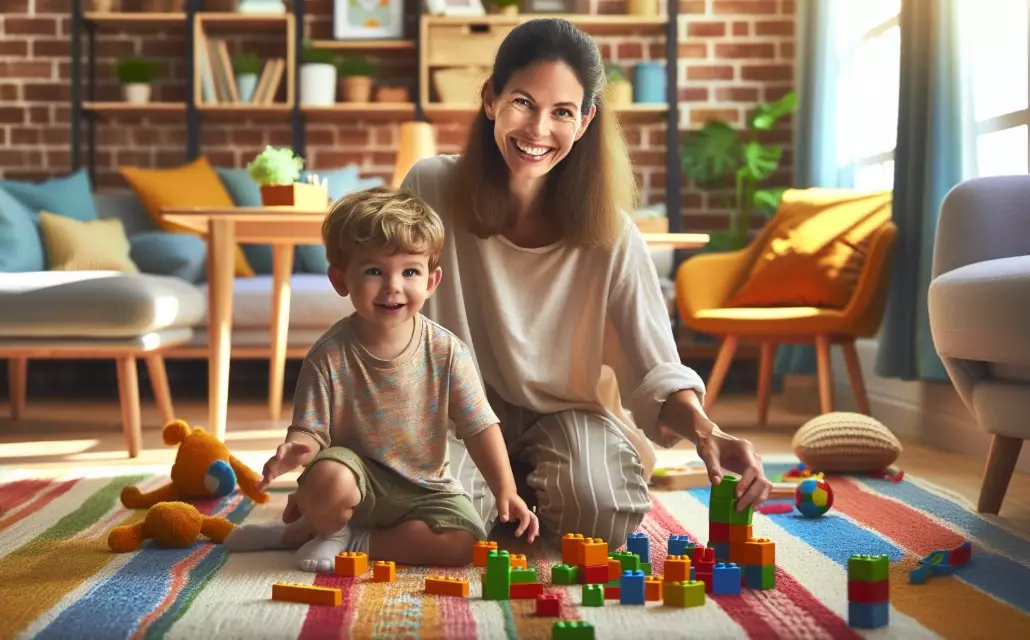
Your Toddler Parenting Questions Answered
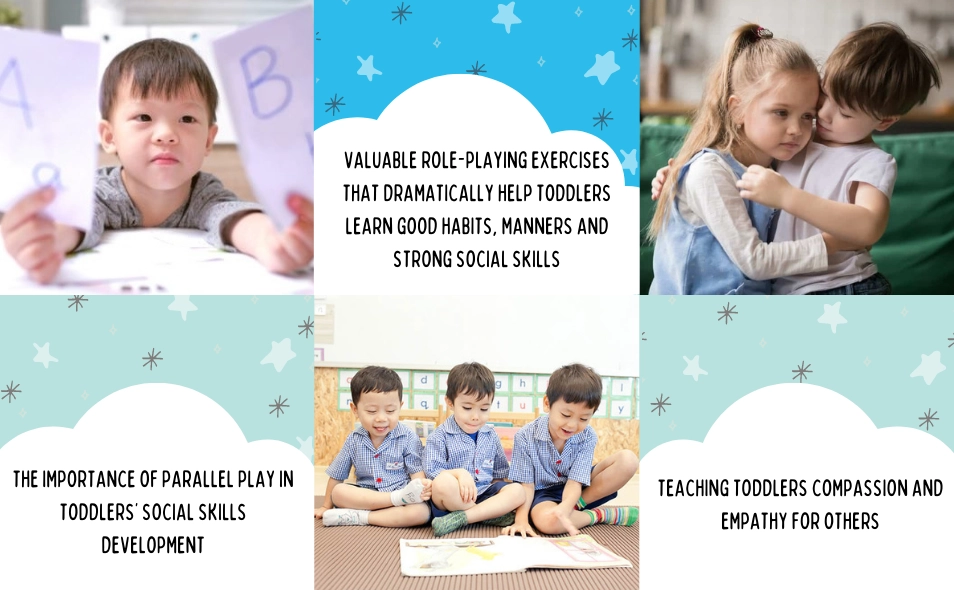 How can I use positive discipline for hitting or biting?
Reader Comments