You just saw the positive test. The excitement is real, maybe mixed with a bit of nervousness. Then, a day later, you feel that all-too-familiar scratch in your throat. A headache blooms behind your eyes. You’re getting a cold. The panic that follows isn't about the cold itself—it’s the terrifying question: Can I take anything for this? The fear of harming your tiny, newly-implanted embryo can feel overwhelming. I've been there, both as a mom and after talking to hundreds of anxious patients in my practice. Let's cut through the noise. Here’s the straight talk on first month pregnancy medicine for a cold, separating genuine concern from unnecessary fear.
What’s Inside: Your Quick Reference Guide
The Short List of Generally Safe Medications
Let's start with what you likely searched for. The American College of Obstetricians and Gynecologists (ACOG) and other bodies like the U.S. Food and Drug Administration (FDA) provide guidance, though it's often cautious. For the first trimester, the goal is to use the lowest effective dose for the shortest duration. Here’s a breakdown by symptom. Remember, “generally safe” means studies haven't shown a clear link to birth defects when used occasionally at standard doses. It doesn't mean “completely risk-free.”
| Symptom | Medication (Active Ingredient) | Safety Consideration & Expert Notes |
|---|---|---|
| Fever & Pain (Headache, Body Aches) | Acetaminophen (Tylenol) | Widely considered the first-choice pain reliever. Crucial for reducing a fever over 101°F (38.3°C), as high fever itself can be a risk. Stick to the dose on the label. |
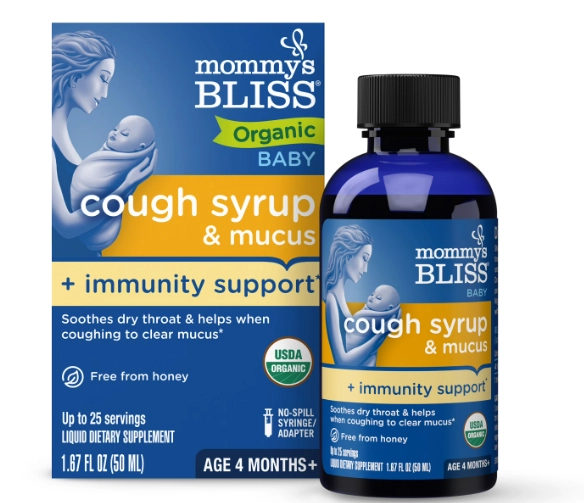
| Dry Cough | Dextromethorphan (found in many “DM” cough syrups) | Often categorized as low risk in the first trimester for occasional use. Opt for a syrup with only dextromethorphan to avoid other ingredients. |
| Stuffy Nose & Congestion | Pseudoephedrine (Sudafed, behind pharmacy counter) | Here’s a nuanced one. Some older studies suggested a very slight risk, so many doctors advise avoiding it in the entire first trimester. Others say it's okay after the first few weeks. My non-consensus take? Skip it in month one. The risk, while tiny, isn't worth it when saline spray works so well. |
| Sore Throat | Menthol Lozenges (like Halls), Honey & Lemon | Topical lozenges are fine. The classic honey and warm lemon water mix is your best friend. Avoid lozenges with extra painkillers unless you need them. |
Why The First Month is Especially Tricky
You might be thinking, “It’s just a few cells, how much harm can a pill do?” A lot, actually. Weeks 3 to 8 post-conception are the period of organogenesis—when your baby’s major organs and structures are forming. It’s a incredibly sensitive window. A substance that might be fine later on could potentially interfere with this delicate blueprint-laying process now.
Here’s the kicker: you’re in your “first month” but medically, you’re already considered 4 weeks pregnant from the first day of your last period. So that crucial period often overlaps with the time you might not even know you’re pregnant yet. That’s why the advice is universally cautious. The principle is simple: when in doubt during these early weeks, lean towards non-drug options.
Your Go-To Non-Drug Relief Kit
This is where most of your effort should go. Treating a cold in early pregnancy isn't about defeating it with medicine; it's about supporting your body while it does the work. Think of yourself as a facilitator, not a warrior.
For Congestion and a Runny Nose
Ditch the decongestant pill for now. Your new best friends are:
- Saline Nasal Spray or Rinse (Neti pot): Flushes out mucus and viruses instantly. Use it 3-4 times a day. It’s just salt water—zero risk, maximum relief.
- Humidifier: Run a cool-mist humidifier in your bedroom all night. Dry air worsens congestion. This one change can help you sleep.
- Steam Inhalation: Lean over a bowl of hot water with a towel over your head for 5-10 minutes. Add a drop of eucalyptus oil if you like (external steam is fine).
For a Sore Throat and Cough
The old wives knew what they were doing.
- Honey: A spoonful of plain honey coats the throat and has mild antimicrobial properties. Far more effective than most OTC cough syrups, according to some studies.
- Warm Fluids: Broth, herbal tea (ginger, peppermint), warm water with lemon. They thin mucus and keep you hydrated.
- Saltwater Gargle: Half a teaspoon of salt in a glass of warm water. Gargle for 30 seconds. It reduces swelling and discomfort.

Common Mistakes & What to Avoid
I see these patterns all the time. Avoiding these pitfalls is as important as knowing what to take.
Mistake 1: Assuming “Natural” Equals Safe. Just because it’s an herb or supplement doesn’t make it pregnancy-friendly. Avoid echinacea, goldenseal, and high doses of vitamin C supplements unless your doctor approves. Their effects on early pregnancy aren’t well-studied.
Mistake 2: Using Old Medicine. That half-used bottle of cough syrup from last year? Toss it. You need to read the active ingredient list of a new bottle every time to ensure you’re not accidentally taking something contraindicated.
Mistake 3: Treating Mild Discomfort. A slight tickle in your throat or a bit of sniffles doesn’t need medication. Wait. See if rest and fluids handle it. You’d be surprised how often they do.
What to Absolutely Avoid: NSAIDs like ibuprofen (Advil, Motrin) and naproxen (Aleve). These are not recommended, especially in the first and third trimesters. Also avoid any medication containing phenylephrine (a less effective decongestant often in “PE” formulas) as its safety profile is less clear.
Red Flags: When to Call Your Doctor Immediately
A common cold is one thing. But pregnancy alters your immune system, making you slightly more susceptible to complications. Don’t play the hero. Call your OB-GYN or midwife if you experience:
- A fever over 101°F (38.3°C) that doesn’t come down with acetaminophen and rest.
- Difficulty breathing, chest pain, or a severe, persistent cough.
- Symptoms that worsen after 7-10 days or last more than two weeks.
- Signs of dehydration: dark urine, dizziness, not urinating often.
- You simply can’t keep any food or liquids down.
It’s always better to call and be told it’s normal than to wait and risk something more serious like the flu or a sinus infection.
Your Burning Questions Answered
The bottom line? Getting a cold in your first month of pregnancy is stressful, but it’s manageable. Arm yourself with knowledge, lean heavily on the effective non-drug remedies, and use medication as a precise, last-resort tool—not a first response. When you’re unsure, your healthcare provider is your best guide. Now, go drink some warm lemon water and try to rest.
Reader Comments