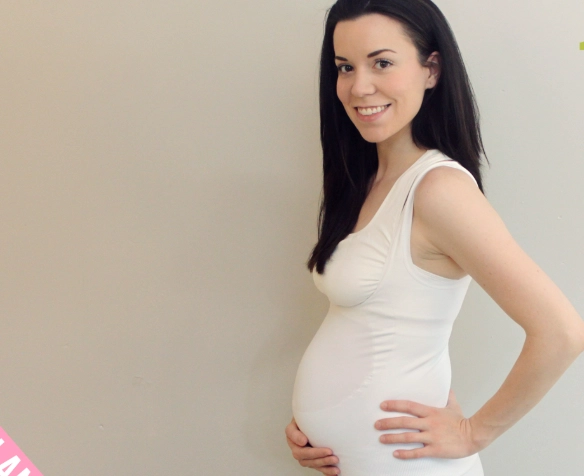
You're nearly at the end of the first trimester. You've told close family, maybe even some friends. You're eagerly waiting for that "pregnant" look to finally appear. But when you stand sideways in the mirror at 12 weeks, you might see... not much. Or maybe you feel like you've already popped. So, what's normal? Do you have a bump at 12 weeks? The short, honest answer is: it's completely unpredictable, and comparing yourself to others is a fast track to unnecessary worry.
Quick Guide: Navigating Your 12-Week Belly
Your Body at 12 Weeks: The Internal Reality
Let's start with the facts, straight from the anatomy textbook. At 12 weeks pregnant, your uterus is about the size of a large grapefruit. For most first-time moms, it's still tucked neatly behind the pelvic bone. It's growing upward, but it hasn't yet made a significant dome above the pubic bone that you can see or feel from the outside. The baby itself is only about 2 inches long—the size of a lime. So, the actual "bump" material is minimal.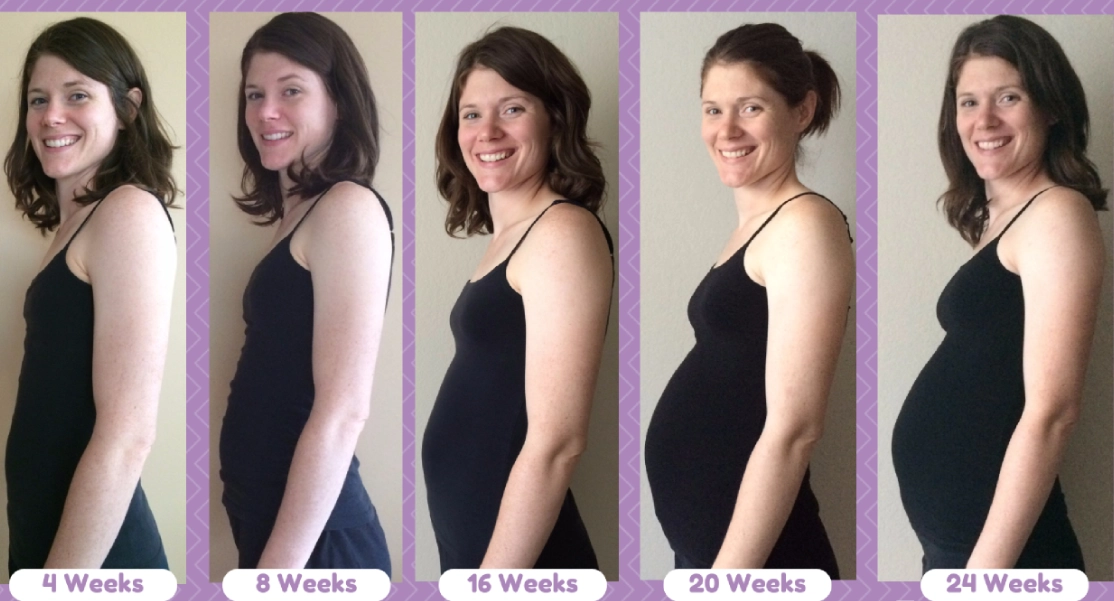
Here's where many pregnancy apps and forums get it wrong. They show these perfectly round, obvious bumps on slim models. That image sets an expectation that's often biologically premature. The visible change you see is rarely 100% baby and uterus at this stage.
Why Some Women Show Early (and Some Don't)
If the uterus is roughly the same size for everyone at 12 weeks, why do belly sizes vary so dramatically? This is where your unique body comes into play. It's a combination of factors, not just one thing.
| Factor | How It Affects Your Bump | Common Misconception |
|---|---|---|
| Core Muscle Tone | Strong, tight abdominal muscles (like in athletes) can hold the uterus in longer, leading to a later, smaller-looking bump. | Thinking a smaller bump means weaker muscles. It's the opposite. |
| Body Type & Height | Taller women or those with longer torsos have more vertical space for the uterus to expand into before protruding. Shorter women often show sooner. | Believing bump size correlates directly with baby size. |
| Previous Pregnancies | This is a huge one. Your uterine and abdominal muscles have been stretched before. They relax and expand much quicker, so second- or third-time moms almost always show earlier. | Comparing your first pregnancy bump to a friend's second pregnancy bump. |
| Uterus Position | An anteverted uterus (tilts forward) may cause a slightly earlier bump. A retroverted uterus (tilts backward) can delay the visible show. | Not knowing your uterus position is a normal anatomical variation. |
| Bloating & Digestion | Progesterone slows digestion, causing significant gas and bloating. This can create a very real, firm "pseudo-bump" that comes and goes. | Mistaking evening bloat for the permanent baby bump. |
From my experience as a doula, the most common point of anxiety is the first-time mom with strong abs who sees nothing at 12 weeks, while her friend who's on her second pregnancy is already in maternity jeans. They're both perfectly normal. The comparison is meaningless.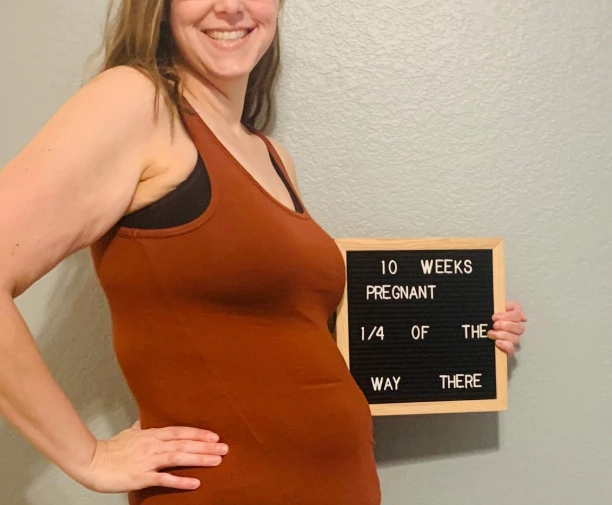
The "Second Baby Bump" Phenomenon
Let's drill down on this because it causes so much confusion. With your first baby, your body is building the infrastructure. The muscles are virgin territory. By the second pregnancy, that infrastructure is already there, like a road that's been paved once. Your body knows the drill. Your bump isn't bigger because the baby is bigger—it's because your body is efficiently re-occupying that expanded space. I've had clients show convincingly as early as 10 weeks in their second pregnancy, which is completely normal and not a cause for concern about multiples (unless there are other signs).
The Great Debate: Bloat vs. Baby Bump
How can you tell what's what? Here's a practical tip most articles don't give you.
Lie flat on your back on your bed (this is safe in the first trimester). Relax completely. Place your hand just below your belly button. Take a deep breath in, and as you exhale, gently press down and feel for the top of your pubic bone (a firm, horizontal ridge). Just above that, you might feel a slight, firm roundedness. That's likely the top of your uterus (the fundus).
Now stand up. That firm roundedness is your true uterine growth. Everything else that appears around it, especially the distension that seems worse after meals or in the evening, is likely intestinal bloating. The bloating is soft and changeable. The uterine bump is firmer and more constant.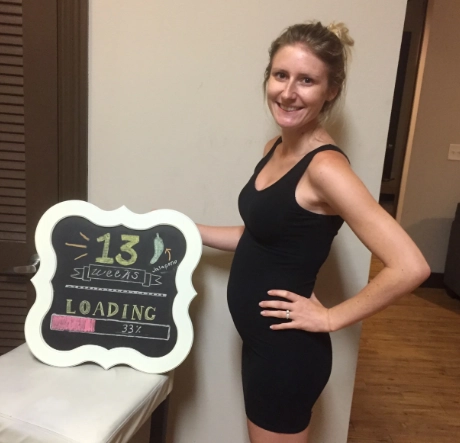
Key Insight: Your "12-week bump" is often a hybrid. The central, firmer core is your uterus. The surrounding softer area is a combination of shifted organs, relaxed muscles, and yes, a lot of gas. Don't fight the bloat—it's a hormonal hallmark of a healthy first trimester.
When a Small (or Large) Bump Might Need Attention
Most of the time, bump size at 12 weeks is a personality trait of your pregnancy, not a health indicator. However, there are rare situations where it can signal something that needs a doctor's review.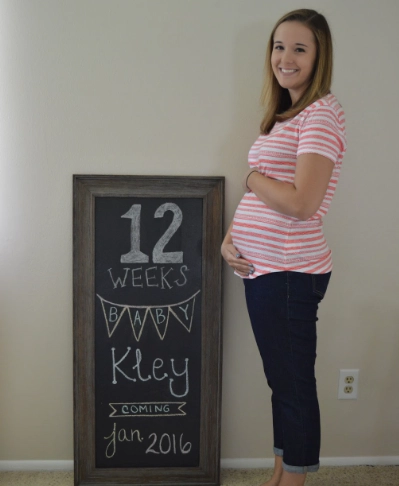
Reasons a bump might measure smaller than expected:
- Inaccurate dating: You might be a week or two less pregnant than calculated based on your last period. This is very common, especially with irregular cycles.
- Uterine position: A retroverted uterus can make the fundal height (the measurement from pubic bone to top of uterus) seem smaller.
- Low amniotic fluid (oligohydramnios): This is rare this early and is usually checked via ultrasound, not bump size.
Reasons a bump might measure larger than expected:
- Again, inaccurate dating: You might be further along.
- Uterine fibroids: These non-cancerous growths can enlarge the uterus.
- Multiple pregnancy: Twins or more will create a larger uterus faster. (This is usually confirmed at the 12-week scan).
- Molar pregnancy: A very rare complication.
The bottom line: Your midwife or OB isn't judging your bump at 12 weeks. They are waiting for your dating scan. The 12-week ultrasound (NT scan) is the gold standard for confirming your due date, checking baby's development, and assessing the uterine environment. Bump size is a conversation starter, not a diagnostic tool, at this stage.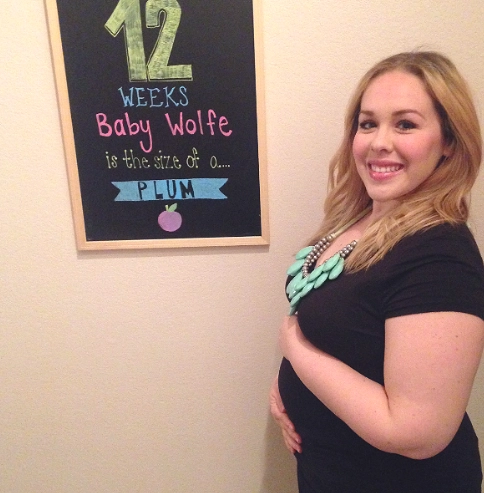
If you have severe pain, bleeding, or a sudden change in symptoms alongside concerns about bump size, contact your provider immediately. Otherwise, trust the scan over the mirror.
Your 12-Week Bump Questions, Answered
So, do you have a bump at 12 weeks? Maybe. Maybe not. And both answers are perfectly right. Your pregnancy is writing its own story, and the first chapter isn't about how you look in a profile photo. It's about the incredible, invisible construction project happening within. Trust your body, wait for your scan, and give yourself grace. The bump will come in its own time, and when it does, you'll know it's the real deal.
Reader Comments