You're standing sideways in front of the mirror, trying to decide. At 12 weeks pregnant, there's definitely something happening in your midsection. But is it the first proud curve of your baby bump, or just the infamous pregnancy bloat playing tricks on you? This is one of the most common early pregnancy dilemmas. The short answer is: it's often a mix of both, but learning to tell them apart is easier than you think. Your uterus is just starting to rise above your pelvic bone, while hormones are slowing your digestion to a crawl. Let's break down exactly what you're seeing and feeling.
What You'll Discover Inside
The Physical Difference Between a Bump and Bloat
Think of it this way: a baby bump is your uterus and its growing tenant. Bloating is your digestive system filled with gas and air. They feel and behave completely differently.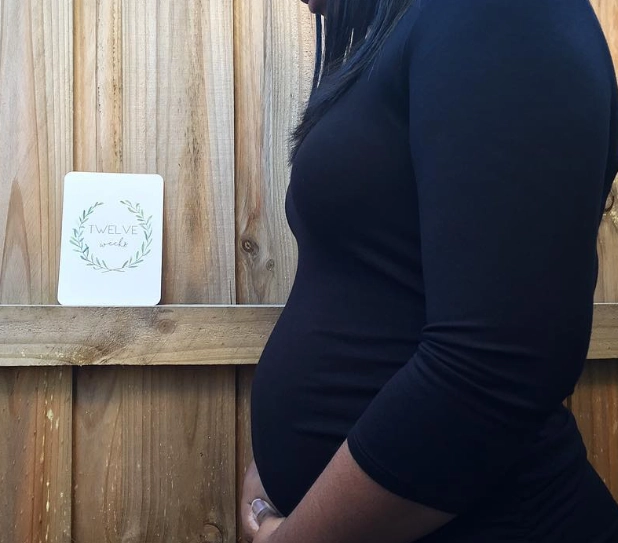
A true 12-week pregnant bump is low, firm, and centralized. If you lie flat on your back and press gently just above your pubic bone, you might feel a firm, rounded bulge. It's about the size of a large grapefruit. It doesn't come and go. It's just... there, and it will gradually get bigger each week. With my first, I didn't have a visible bump until 16 weeks. With my second, I looked 5 months pregnant at 12 weeks because my abdominal muscles were already stretched out. There's no single "normal."
Bloating, on the other hand, is higher up, softer, and spread out. It affects your entire abdominal area, often making your waistband feel tight by afternoon. It's gassy, sometimes crampy, and fluctuates. You might wake up with a relatively flat stomach and look undeniably pregnant by dinner. This is largely thanks to progesterone, a hormone that relaxes smooth muscle tissue—including your digestive tract—causing everything to move slower and trap more gas.
| Feature | Early Baby Bump (12 Weeks) | Pregnancy Bloating |
|---|---|---|
| Location | Low, below the navel, centered above pubic bone. | Higher, often around and above the navel, can be widespread. |
| Feel to Touch | Firm, rounded, consistent. | Soft, squishy, gaseous; may make gurgling sounds. |
| Consistency | Stays the same size throughout the day. | Worse in the evening, often better in the morning. |
| Associated Sensation | Maybe a feeling of fullness or slight pressure. | Cramping, gas pains, discomfort after eating. |
| What Causes It | Your growing uterus and baby. | Slowed digestion and trapped gas due to hormones. |
Your Personal Bump Timeline: Why It Varies Wildly
Comparing your 12-week belly to a friend's or an influencer's is a recipe for anxiety. Your "bump debut" depends on factors you can't control.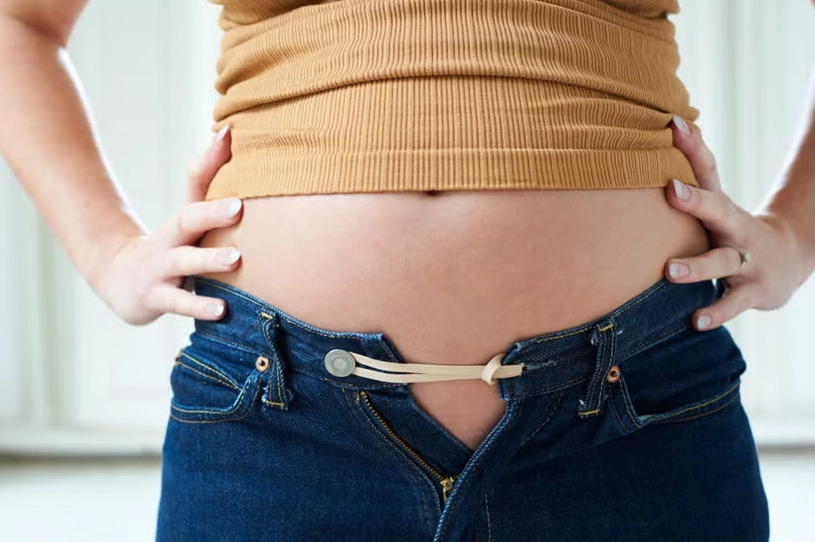
Body Frame and Muscle Tone: If you have a shorter torso, there's less vertical space, so your uterus pushes outward sooner. Strong abdominal muscles (like from a core-focused fitness routine) can hold everything in tighter for longer. Weaker or previously stretched muscles (common after a first pregnancy) offer less resistance, so a bump appears earlier.
Your Unique Anatomy: The tilt of your pelvis matters. An anterior pelvic tilt (where your pelvis tilts forward) can make a lower abdominal pooch more pronounced early on, which might be mistaken for a bump. It's just your posture interacting with the new growth.
Bloat's Camouflage Effect: Here's a nuance most articles miss: severe bloating can actually mask an early bump. If your intestines are distended with gas higher up, they can push everything forward, creating a generalized protrusion that obscures the distinct, lower uterine bulge. When the bloat subsides, you might finally see the real shape.
The At-Home Self-Check Guide
Instead of just staring in the mirror, try this proactive check. Do it first thing in the morning, before eating, when bloat is minimal.
- Lie flat on your back on a firm surface (your bed is too soft). Bend your knees so your feet are flat.
- Take a deep breath and relax your abdominal muscles completely. Let your belly go soft.
- Using your fingertips, start pressing gently very low on your abdomen, right along your bikini line.
- Slowly move upward. Do you feel a firm, rounded edge? That's likely the top of your uterus (called the fundus).
- Note its location. At 12 weeks, it's often right at or just peeking above your pubic bone.
If you feel that firmness, congratulations—you've found your bump! Its presence doesn't mean it will be visible to others yet, but it's a tangible sign of progress. If you don't feel it, don't panic. Body fat, muscle, and the position of your uterus can make it hard to self-palpate. Your doctor or midwife will check this at your appointments.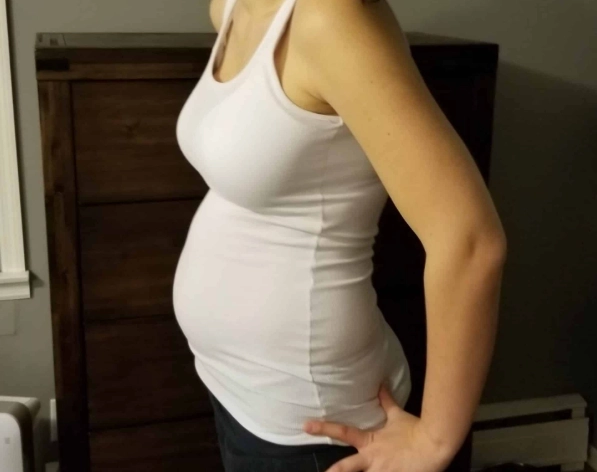
Managing 12-Week Bloating: What Actually Works
You can't eliminate bloating entirely (thanks, progesterone), but you can manage it from becoming the star of the show.
Eat Smaller, More Frequent Meals: A huge meal is a huge burden on a slowed-down system. Think of your digestive tract as a lazy river. Don't dump a bucket into it all at once.
Chew, Seriously, Chew More: Digestion starts in the mouth. The more you break food down before it hits your stomach, the less work and gas production happens downstream. Try counting 20 chews per bite. It's tedious but effective.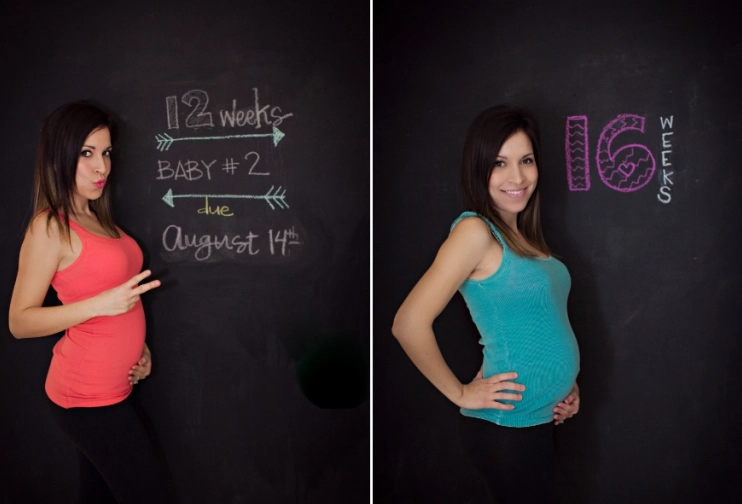
Strategic Hydration: Drink most of your fluids between meals, not during. Drinking a lot while eating can dilute stomach acids, making digestion less efficient. Sip, don't guzzle, with your food.
Identify Your Triggers: Common culprits are cruciferous veggies (broccoli, cabbage), beans, carbonated drinks, and artificial sweeteners. But don't cut out healthy foods blindly. Keep a simple log: note what you eat and how your belly feels 2-3 hours later.
Gentle Movement: A 15-minute walk after eating can work wonders. It doesn't have to be power walking—just moving your body helps stimulate gut motility. Prenatal yoga poses like "Cat-Cow" can also help move trapped gas.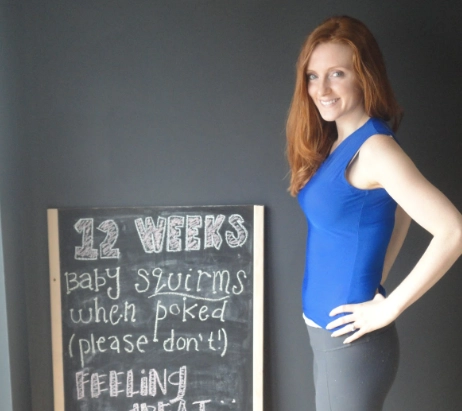
A Warning on "Natural" Remedies: Be extremely cautious with over-the-counter gas pills or strong herbal teas like peppermint. Some ingredients aren't well-studied in pregnancy. Always check with your provider before taking anything new, even if it's labeled "natural." Simethicone (found in products like Gas-X) is generally considered safe because it isn't absorbed into the bloodstream, but a quick call to your OB's office for confirmation is the smartest move.
When It's More Than Just Bloating: Signs to Watch For
Most 12-week abdominal changes are perfectly normal. But you should contact your healthcare provider if your abdominal discomfort is accompanied by:
Severe, persistent pain that doesn't ease with rest, position changes, or passing gas. Sharp, stabbing pain on one side (which could indicate something like a corpus luteum cyst, usually harmless but worth checking). Bleeding or spotting. Fever or chills. Inability to keep food or liquids down. Pain or burning during urination.
Trust your gut. If something feels "off" compared to your usual bloating or round ligament pains (those quick, sharp, stretching feelings in your sides), it's always worth a call. That's what they're there for.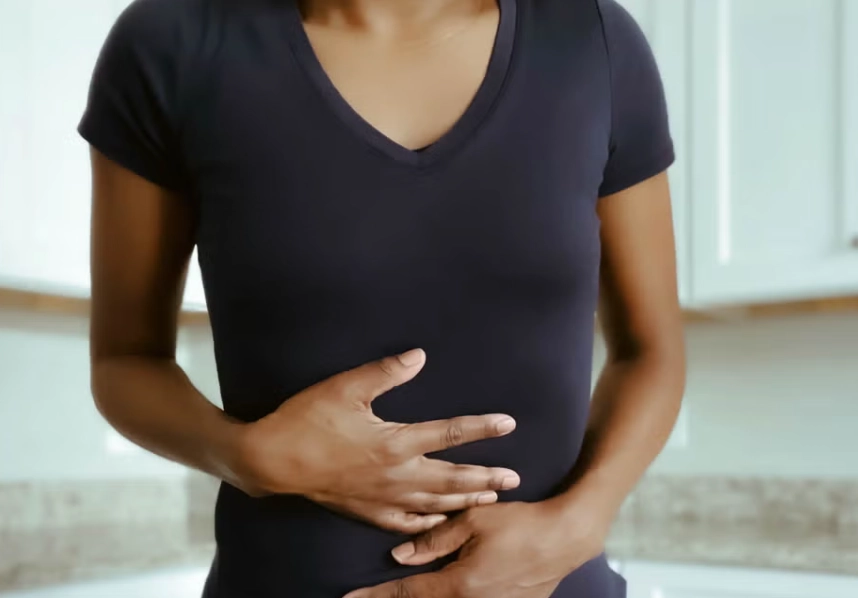
Your Top Questions, Answered
The 12-week mark is a transition. You're leaving the intense first trimester behind, but your visible pregnancy badge might not be fully earned yet. Whether what you see is a firm little bump making its debut or a soft bubble of bloat, it's all evidence of the massive changes happening inside. Focus on how you feel, use the tips to manage discomfort, and know that a more definitive, round bump is just around the corner. For more detailed, week-by-week fetal development information, resources like the American College of Obstetricians and Gynecologists (ACOG) website are authoritative references.
Reader Comments