Keeping your pregnancy healthy naturally isn't about strict rules or expensive supplements—it's about smart, everyday choices that support you and your baby. I've worked with expectant moms for years, and the biggest mistake I see is overcomplicating things. Let's cut through the noise and focus on what truly works, from nutrition to mental well-being.
Quick Navigation: What You'll Learn
Nutrition: The Core of a Healthy Pregnancy
Food is your best medicine during pregnancy. But forget those generic "eat healthy" tips—let's get specific. I remember a client who focused only on fruits and ended up with low iron levels. Balance is key.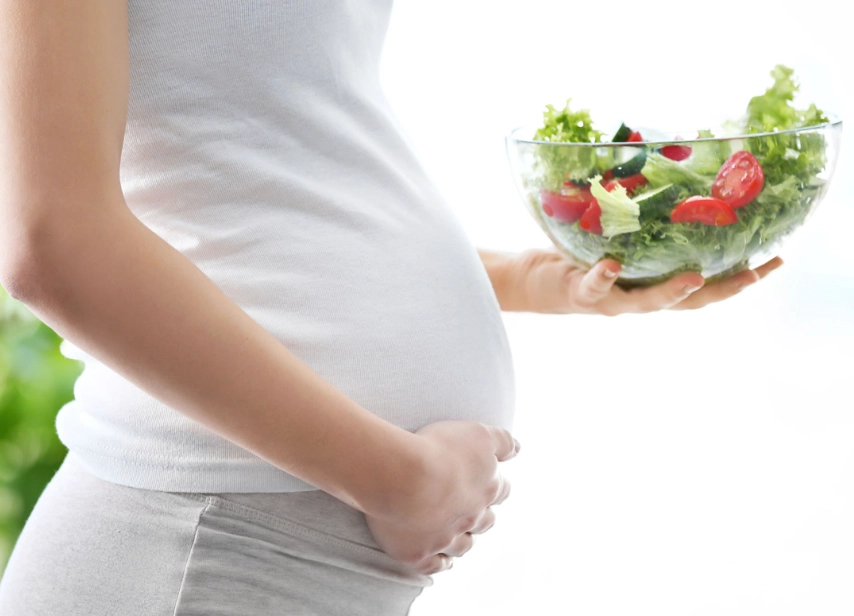
Essential Nutrients You Can't Miss
Start with folate. Leafy greens like spinach and kale are packed with it, crucial for preventing neural tube defects. The Centers for Disease Control and Prevention (CDC) recommends 400 micrograms daily, but many women don't hit that through diet alone. Consider a natural source like lentils or avocados.
Iron is another big one. Lean meats, beans, and fortified cereals help prevent anemia. Pair them with vitamin C-rich foods like oranges to boost absorption. A simple trick: add bell peppers to your bean salad.
Pro Tip: Don't skip breakfast. Even if morning sickness hits, try a small smoothie with banana and almond milk—it's gentle on the stomach and provides energy.
Foods to Avoid and Why
Raw seafood and unpasteurized dairy are off the table due to infection risks. High-mercury fish like shark or swordfish should be limited. I've seen moms panic over this, but it's straightforward: stick to cooked foods and pasteurized products.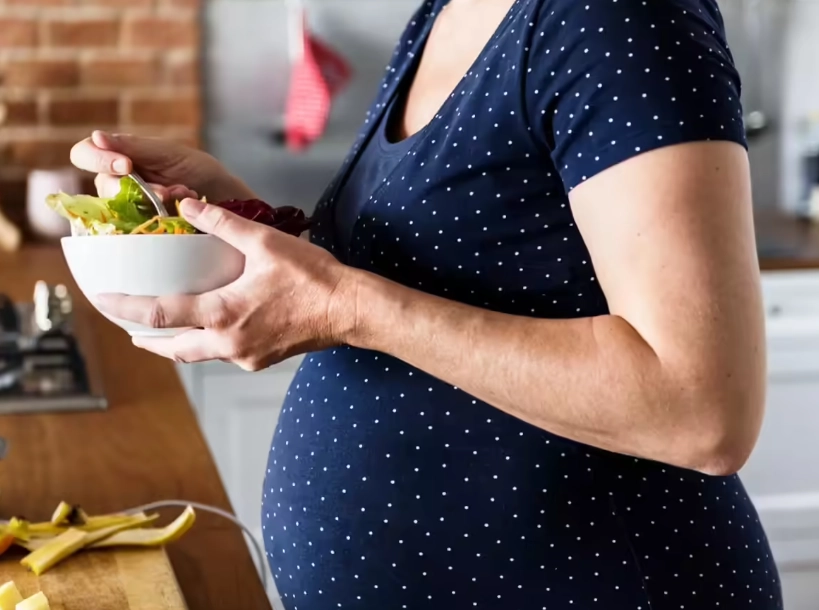
Here's a quick reference table for safe alternatives:
| Avoid | Safe Alternative | Reason |
|---|---|---|
| Raw sushi | Cooked salmon or shrimp | Reduces listeria risk |
| Unpasteurized cheese | Pasteurized cheddar or mozzarella | Prevents bacterial infections |
| Caffeine over 200mg/day | Herbal teas like peppermint | Limits caffeine intake for fetal health |
Staying Active Safely During Pregnancy
Exercise isn't just safe—it's beneficial. But many women hold back because they're unsure. Let me break it down by trimester.
Best Exercises for Each Trimester
First trimester: focus on low-impact activities. Walking or swimming can ease fatigue and nausea. I often recommend prenatal yoga—it improves flexibility and reduces stress. A client of mine started with just 10 minutes a day and felt a huge difference in her energy levels.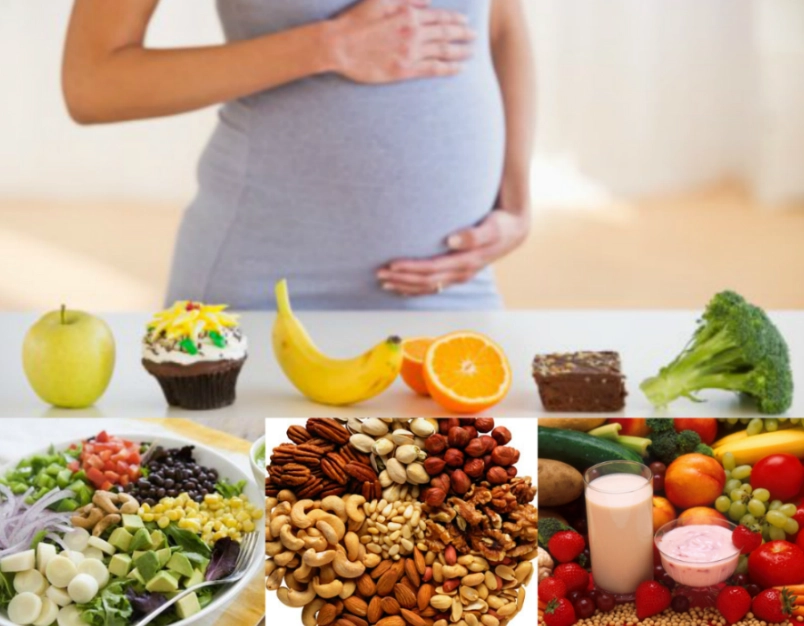
Second trimester: this is your sweet spot. You can try light strength training with resistance bands. Avoid exercises that involve lying on your back for too long, as it can reduce blood flow.
Third trimester: scale back. Gentle stretches and pelvic tilts help prepare for labor. Listen to your body—if something hurts, stop. Many online guides push intense workouts, but in my experience, moderation wins.
Common Mistakes to Avoid
Don't overheat. Stay hydrated and exercise in cool environments. Skip high-impact sports like running on hard surfaces—it can strain your joints. Also, avoid holding your breath during exercises; breathe steadily to oxygenate your baby.
Mental and Emotional Health Strategies
Pregnancy isn't just physical. Stress and anxiety can impact your baby, but natural approaches can help.
Managing Stress Naturally
Mindfulness doesn't require hours of meditation. Try five minutes of deep breathing each morning. I've found that journaling thoughts before bed clears mental clutter. A study from the American Psychological Association highlights how stress management improves birth outcomes, so take it seriously.
Connect with others. Join a prenatal group or talk to friends. Isolation can worsen anxiety—I've seen it happen too often.
The Importance of Sleep
Sleep quality often dips during pregnancy. Create a routine: warm bath, dim lights, and no screens an hour before bed. Use pillows for support—a body pillow between your knees can ease back pain. If insomnia strikes, don't reach for medication; try chamomile tea instead.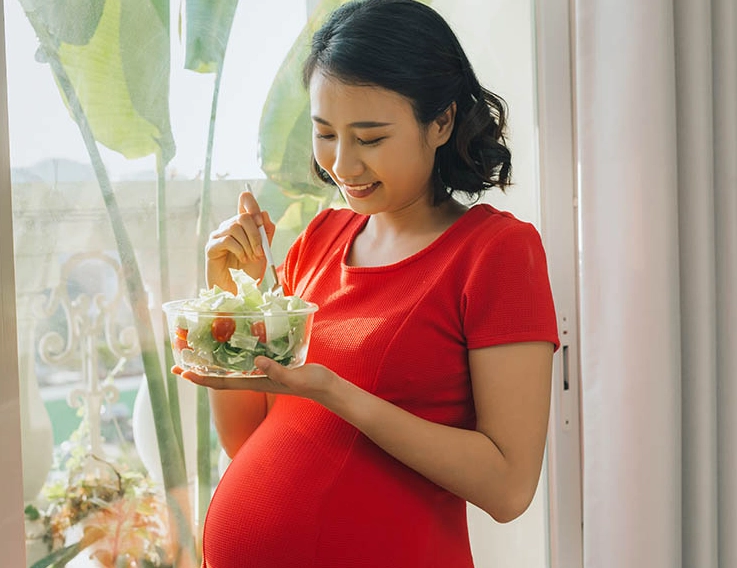
Daily Habits for Long-Term Wellness
Small changes add up. Hydration is critical—aim for 8-10 glasses of water daily. Dehydration can trigger contractions, so keep a water bottle handy.
Sun exposure for vitamin D: 15 minutes a day helps with calcium absorption. But don't overdo it; use sunscreen if needed.
Monitor your weight gain naturally. The Institute of Medicine provides guidelines, but every body is different. Focus on nutrient-dense foods rather than counting calories.
FAQ: Your Top Questions Answered
Wrapping up, keeping your pregnancy healthy naturally is about consistency, not perfection. Integrate these tips slowly—maybe start with one nutrition change this week. Remember, every pregnancy is unique, so adapt based on how you feel. For more resources, check out authoritative sites like the World Health Organization for global guidelines on maternal health. Stay curious, and trust your instincts—you've got this.
Reader Comments