Your First Trimester Roadmap
So, you just saw those two lines or got the confirmation from your doctor. Congratulations! The first trimester is a whirlwind of emotions, physical changes, and a million questions. The biggest one on your mind right now is probably, "How can I make sure my first trimester is healthy?" It's a fantastic question, and honestly, it shows you're already thinking like a parent—wanting the best start for your little one.
Let's cut through the noise. The internet is full of scary lists and conflicting advice. I remember feeling completely overwhelmed myself. One site said to avoid all deli meat like it was poison, another said a little was fine. It was exhausting. This guide isn't about fear; it's about practical, evidence-based steps you can take to feel empowered and support your body during these crucial first 13 weeks.
Nutrition: Fueling the Tiny Miracle (and You!)
This is where most of the focus goes, and for good reason. What you eat is the primary building block for your baby's development. But let's be real—when you're battling nausea, the thought of a perfectly balanced plate can seem laughable.
The goal here is progress, not perfection. If all you can keep down some days are crackers and ginger ale, that's okay. Hydration and calories come first. On better days, aim to incorporate these powerhouse nutrients.
The Non-Negotiables: Key Nutrients You Can't Skip
Your body has increased demands for specific vitamins and minerals. Here’s a breakdown of the all-stars.
| Nutrient | Why It's Crucial | Top Food Sources | A Quick Tip |
|---|---|---|---|
| Folic Acid/Folate | Prevents neural tube defects (like spina bifida). This is the #1 most important nutrient in early pregnancy. | Leafy greens (spinach, kale), lentils, avocados, fortified cereals & breads. | Start a prenatal vitamin before conception if possible. If not, start today. The CDC is clear: All people capable of pregnancy should get 400 mcg daily. |
| Iron | Supports the massive increase in your blood volume and prevents anemia, which causes fatigue. | Lean red meat, cooked spinach, beans, lentils, tofu, fortified cereals. | Pair iron-rich foods with vitamin C (like bell peppers or orange juice) to boost absorption. Avoid having tea or coffee with meals as they can hinder it. |
| Calcium | Builds baby's bones and teeth. If you don't get enough, your body will pull it from your own bones. | Dairy (yogurt, milk, cheese), fortified plant milks, canned sardines/salmon with bones, kale. | If dairy makes your nausea worse, try fortified almond or oat milk in a smoothie. |
| DHA (an Omega-3) | Critical for baby's brain and eye development. | Fatty fish (salmon, sardines - low mercury choices), algae oil, DHA-enriched eggs. | Look for a prenatal vitamin that includes DHA, or consider a separate supplement if you don't eat fish. |
| Protein | The building block for every cell in your baby's growing body. | Greek yogurt, eggs, chicken, beans, lentils, nuts, tofu. | Small, frequent protein snacks can help stabilize blood sugar and may even curb nausea. |
See? It's not a mystery. Focus on whole foods where you can. And about those cravings and aversions—they're real. I craved citrus like crazy and couldn't stand the smell of coffee. Listen to your body (within reason). Wanting strawberries might mean you need more vitamin C.
Prenatal Care: Your Partnership for a Healthy First Trimester
Choosing a healthcare provider (OB-GYN or midwife) and starting prenatal visits is your single most important action. This is your team. How can I make sure my first trimester is healthy? Step one: book that appointment.
Your first visit is usually the longest. They'll take a full medical history, do a physical exam, and likely order blood work and an ultrasound to confirm dating and viability. Don't be shy—bring a list of questions. No question is too small.
What to Expect at Early Appointments
- Initial Confirmation & Dating: They'll confirm the pregnancy and estimate your due date.
- Health History Deep Dive: Be prepared to talk about your and your partner's family health history.
- Baseline Tests: Blood type, Rh factor, iron levels, immunity to certain diseases (like rubella), and screenings for infections.
- Discussion of Lifestyle: A chance to talk about diet, exercise, work, and travel.
I found it helpful to use the notes app on my phone for questions as they popped up between visits. Things like "Is this level of cramping normal?" or "What over-the-counter meds are safe for headaches?"
Tackling First Trimester Symptoms Head-On
Let's talk about the not-so-glamorous side. For many, the first trimester is defined by fatigue and nausea. Understanding these symptoms is part of learning how to make sure your first trimester is healthy, because managing them helps you function and maintain nutrition.
Morning Sickness (Which is a Lie—It Can Strike Anytime)
Up to 80% of pregnant people experience this. The cause is the rapid rise in pregnancy hormones (hCG and estrogen).
What actually helped me and many others:
- Eat Small, Eat Often: An empty stomach makes nausea worse. Keep plain crackers, pretzels, or dry cereal by your bed and eat a few before you even get up.
- Follow the "BRAT" Diet on Bad Days: Bananas, Rice, Applesauce, Toast. Bland is good.
- Identify Triggers: For me, it was strong food smells. Cooking became my partner's job for a few weeks.
- Try Ginger & Acupressure: Ginger tea, candies, or capsules. Sea-Bands (acupressure wristbands) offered surprising relief for some friends.
- Vitamin B6: ACOG recommends Vitamin B6 (10-25 mg, 3-4 times daily) as a first-line remedy. Your doctor might combine it with Unisom (doxylamine).
If you can't keep any food or liquids down for 24 hours, contact your provider immediately. This could be hyperemesis gravidarum, a severe form that needs medical treatment.
Crushing Fatigue
This isn't normal tiredness. It's a "can barely keep my eyes open at 2 PM" exhaustion. Your body is building a placenta and working overtime. Listen to it.
Sleep when you can. Go to bed earlier. Delegate tasks. It's not laziness; it's a biological necessity. Light exercise, like a short walk, can sometimes boost energy more than collapsing on the couch.
Lifestyle & Habits: Setting the Tone
This is about creating a supportive environment for your pregnancy.
Exercise: Keep Moving (Safely)
Unless your doctor advises otherwise, continuing your pre-pregnancy exercise routine is generally safe and beneficial. It boosts mood, improves sleep, and can help with aches.
Good choices: Walking, swimming, stationary cycling, prenatal yoga, and modified strength training.
Activities to avoid: Contact sports, activities with a high risk of falling (like downhill skiing or horseback riding), hot yoga, and scuba diving. The key is to avoid overheating and trauma to the abdomen.
I switched from high-intensity interval training to long walks and prenatal yoga videos on YouTube. It was a game-changer for my energy and back pain.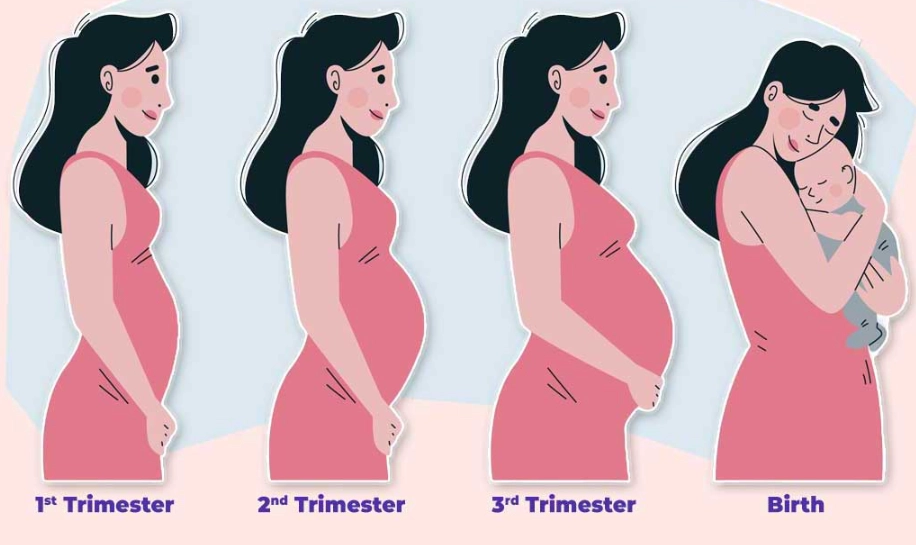
Substances: The Clear-Cut Stops
This isn't about judgment; it's about fetal development.
- Alcohol: There is no known safe amount or type of alcohol during pregnancy. It's best to avoid it completely, as stated by organizations like the CDC and the World Health Organization (WHO).
- Smoking & Vaping: Nicotine constricts blood vessels, reducing oxygen to the baby. Quitting is one of the best things you can do. Ask your provider for help—they have resources.
- Recreational Drugs: All are considered unsafe during pregnancy.
Mental Health: It's Just as Important
Pregnancy can be an emotional rollercoaster. Anxiety about the baby's health is normal. But if you're feeling persistently sad, hopeless, or overwhelmed with worry, talk to your provider. Perinatal depression and anxiety are common and treatable. Your mental well-being is a core part of a healthy first trimester.
Common Questions (The Stuff You're Secretly Googling)
Is spotting always a bad sign?
Not always. Light spotting can occur around the time your period would have been due or after sex or a pelvic exam. However, any bleeding should be reported to your provider immediately so they can evaluate the cause. It's always worth a call.
How much weight should I gain?
In the first trimester, very little—typically 1 to 4 pounds total. Most weight gain happens in the second and third trimesters. Your provider will give you a personalized target based on your pre-pregnancy BMI.
Can I dye my hair?
Most research, including reviews by ACOG, suggests the chemicals in modern hair dyes have minimal systemic absorption and are likely safe after the first trimester. If you're concerned, consider highlights (where the dye doesn't touch the scalp) or vegetable-based dyes.
Are pregnancy skincare products necessary?
Not "necessary," but you should check your current products. Retinoids (Retin-A, retinol) and high-dose salicylic acid (peels) should be avoided. Stick to gentle, fragrance-free products. The "pregnancy glow" is often just increased oil production!
Is it safe to have sex?
Yes, unless your provider has placed you on pelvic rest due to a specific complication (like placenta previa). The baby is well-protected by the amniotic sac and uterine muscles.
Putting It All Together: Your First Trimester Action Plan
Feeling overwhelmed? Don't be. Here's a simple weekly checklist to keep you on track. This is the practical answer to "How can I make sure my first trimester is healthy?"
- Daily: Take your prenatal vitamin. Sip water constantly (aim for 8-10 cups). Listen to your body—rest when tired, eat when hungry (mindfully).
- Weekly: Incorporate gentle movement most days. Plan simple, nutrient-dense meals and snacks. Check in with your emotions—journaling helped me.
- Once: Schedule and attend all prenatal appointments. Review your medications with your provider. Make a plan to avoid risky foods/substances. Start a "questions for the doctor" list.
The first trimester is a time of incredible, invisible work. You're growing an entire organ (the placenta) and a human being from a few cells. It's okay if you don't feel magical. It's okay if you're just surviving some days.
The goal isn't a flawless 13 weeks. The goal is to build habits of care, communication, and kindness—toward your baby and yourself.
By focusing on foundational nutrition, establishing a strong partnership with your healthcare provider, managing symptoms practically, and adjusting your lifestyle thoughtfully, you are doing everything you can to ensure a healthy first trimester. You've got this.
Reader Comments