Quick Insights
- Why It's So Unlikely to Feel Anything at 3 Days Past Ovulation
- What You Might Be Feeling (And What It Probably Really Is)
- The Actual Timeline: When Do Real Pregnancy Symptoms Typically Start?
- Navigating the Two-Week Wait Without Losing Your Mind
- When Should You Actually Take a Pregnancy Test?
- Answers to Your Burning Questions
- Wrapping Up: A Shift in Perspective
Let's be real for a second. If you're typing "3 days pregnant symptoms" into Google, you're probably in that agonizing two-week wait. You're hyper-aware of every little twinge, every slight change in your body, and you're desperately searching for a sign, any sign, that this cycle was the one. I get it. I've been there myself, staring at the calendar, overanalyzing every single sensation. The internet is flooded with forums where people swear they "just knew" at three days past ovulation (DPO). But here's the thing we need to talk about honestly: the biology of early pregnancy often doesn't align with those hopeful anecdotes.
So, can you actually have pregnancy symptoms at 3 days pregnant? The short, science-based answer is that it's incredibly unlikely, bordering on biologically impossible for most classic symptoms. But that doesn't mean what you're feeling isn't real. It just might have a different cause. This article isn't here to dismiss your feelings but to walk you through the actual timeline, separate the common myths from the medical facts, and give you a clear, realistic picture of what to expect and when. We'll dive deep into why the search for "3 days pregnant symptoms" is so common, what's actually happening in your body at that precise moment, and the point where symptoms truly become a reliable indicator.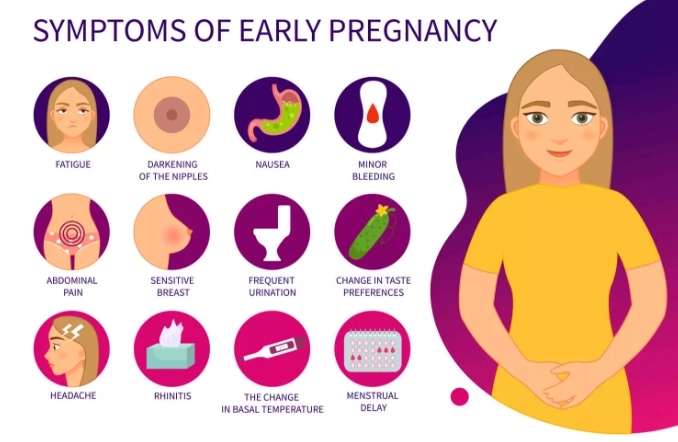
Why It's So Unlikely to Feel Anything at 3 Days Past Ovulation
To understand why symptoms at 3 DPO are a long shot, you need to picture what's actually going on inside. Conception, if it happens, occurs when a sperm fertilizes the egg in the fallopian tube. This creates a single cell called a zygote. For the next several days, this tiny cluster of cells is slowly traveling down the tube towards your uterus. It's busy dividing—from one cell to two, then four, then eight, and so on—becoming a blastocyst.
Here's the critical part: At 3 days pregnant (or 3 DPO), the fertilized egg is still on its journey. It hasn't reached the uterus yet. It hasn't implanted. Implantation—when the blastocyst burrows into the uterine lining—is the event that triggers your body to start producing the pregnancy hormone human chorionic gonadotropin (hCG). No implantation, no significant hCG. And no significant hCG, no pregnancy symptoms caused by that hormone surge.
Your body at this stage is functionally identical to a non-pregnant body in the luteal phase. The progesterone released after ovulation is running the show, and progesterone is a tricky hormone. It can cause bloating, breast tenderness, mood swings, and fatigue—symptoms that are famously identical to early pregnancy signs. This is the cruel irony of the two-week wait. The hormone that sustains a potential early pregnancy is the same one that gives you premenstrual symptoms.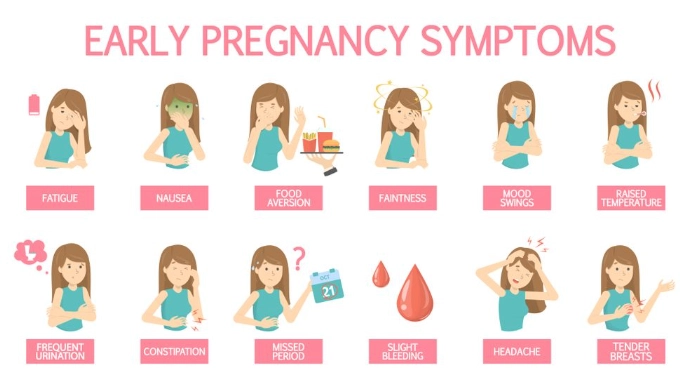
The Key Player: hCG
Human chorionic gonadotropin (hCG) is the hormone detected by pregnancy tests. It's produced by the cells that will eventually form the placenta, but only after implantation occurs. hCG levels need time to build up in your bloodstream to be detectable by a test and to cause physiological changes. At 3 DPO, even if implantation happened impossibly early (which it doesn't), hCG levels would be immeasurably low. Resources from authorities like the American College of Obstetricians and Gynecologists (ACOG) detail the post-implantation rise of hCG, which underscores why symptoms before this point are not hormonally driven by pregnancy.
I remember during my own TTC journey, I was convinced I felt a weird "pinching" at 3 DPO. I told myself it was implantation. Spoiler alert: it wasn't. It was likely a random intestinal cramp or a muscle twinge I'd never have noticed if I wasn't scrutinizing myself. The mind is powerful, and hope can amplify normal bodily sensations into perceived signs.
What You Might Be Feeling (And What It Probably Really Is)
Okay, so if true, hormone-driven pregnancy symptoms aren't happening yet, why do so many people report feeling something? Let's break down the most commonly reported "3 days pregnant symptoms" and look at their more probable explanations. This isn't to be a downer, but to offer perspective and maybe save you some mental gymnastics.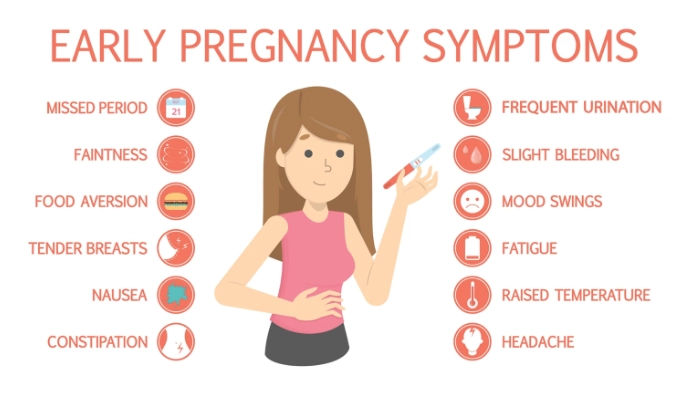
| Reported "Symptom" at 3 DPO | More Likely Explanation | Notes |
|---|---|---|
| Fatigue or Tiredness | Post-ovulation progesterone surge, stress, lack of sleep, or normal daily energy fluctuations. | Progesterone has a sedative effect. This is a classic luteal phase symptom. |
| Breast Tenderness or Soreness | Progesterone and estrogen effects on breast tissue in the second half of your cycle. | Extremely common in the week before a period, regardless of pregnancy. |
| Mild Cramping or Twinges | Normal post-ovulation pain (mittelschmerz), digestive gas, intestinal motility, or ligament stretching. | The reproductive area is shared with other organs. Cramps are rarely specific. |
| Mood Swings or Emotional Sensitivity | Hormonal shifts (progesterone again) and the psychological stress of the waiting period.The anxiety of "am I or aren't I?" is a powerful mood influencer. | |
| Increased Sense of Smell | Heightened awareness, progesterone can slightly alter senses, or coincidence. | True, dramatic smell aversion is linked to rising hCG, which comes later. |
| Headache | Dehydration, tension, hormonal changes unrelated to pregnancy, or caffeine withdrawal. | Progesterone can trigger headaches in some people. |
| Metallic Taste in Mouth | An extremely rare and unlikely report at 3 DPO. More likely related to diet, medication, or minor oral health. | This symptom, if real, is associated with later first-trimester hormonal changes. |
See the pattern? Progesterone is the usual suspect. The Mayo Clinic's overview of early pregnancy symptoms clearly states that most classic symptoms appear around the time of a missed period, which is typically well after implantation has occurred and hCG has had time to rise.
A Common Myth: Implantation at 3 DPO
One of the biggest sources of confusion is the timing of implantation. Some websites or apps suggest it can happen as early as 3 DPO. The medical consensus, however, is clear. Implantation typically occurs between 6 and 12 days after ovulation, with the most common window being 8 to 10 DPO. An implantation at 3 DPO would be a remarkable outlier. Believing in this ultra-early timeline directly fuels the search for and belief in "3 days pregnant symptoms."
It's frustrating, I know. You want a signal, but your body is giving you noise. And when you're looking for a signal, it's easy to misinterpret all the noise.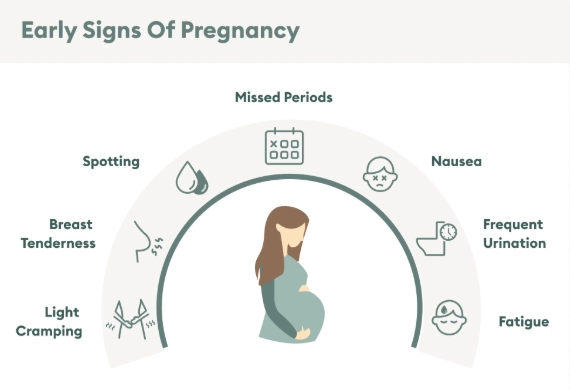
The Actual Timeline: When Do Real Pregnancy Symptoms Typically Start?
Let's reset the clock with a more realistic expectation. This is the timeline that helped me keep my sanity month after month.
A Realistic Symptom Onset Timeline
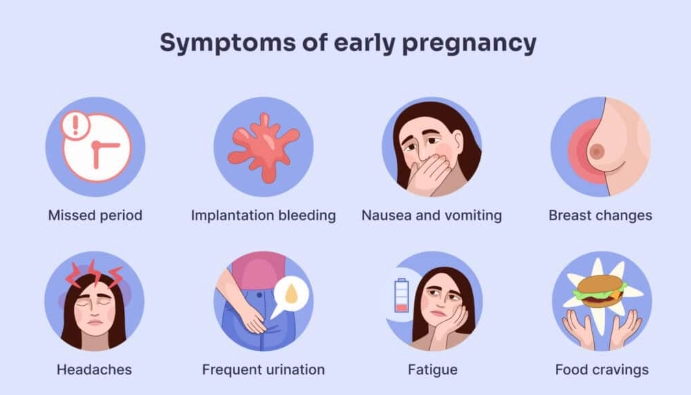
- Days 1-5 Post-Ovulation (e.g., 3 DPO): The fertilized egg is dividing and traveling. No pregnancy-specific symptoms are possible. Any sensations are due to progesterone or other factors.
- Days 6-10 Post-Ovulation: The implantation window. Some women may experience light spotting or cramping at the time of implantation (implantation bleeding), but not everyone does. This is the earliest potential physical sign related to pregnancy, but it's subtle and often missed or mistaken for an early period.
- Days 10-14 Post-Ovulation (Around Missed Period): This is where the action starts. If implantation was successful, hCG levels are now rising rapidly. This is when you might start to notice the very first hints of true symptoms: fatigue that feels different, more pronounced breast changes, perhaps some nausea. This is also the earliest you can get a reliable positive on a sensitive early detection pregnancy test.
- Weeks 5-6 of Pregnancy: Symptoms often become more noticeable. Nausea (morning sickness), frequent urination, significant fatigue, and food aversions commonly ramp up during this time as hCG levels peak.
So, if you're looking for a meaningful benchmark, shift your focus from "3 days pregnant symptoms" to the week of your expected period. That's where the biological evidence—both via tests and potential symptoms—becomes credible.
Navigating the Two-Week Wait Without Losing Your Mind
Knowing the science is one thing. Coping with the emotional rollercoaster is another. The desire to find "3 days pregnant symptoms" is less about biology and more about psychology—it's about seeking control and reassurance in an inherently uncertain waiting period. Here's what I found helpful, and what many in the TTC community swear by.
First, symptom spotting is a trap. It's addictive but ultimately unhelpful. Every month I'd make a list: "tired at 4 pm, breasts feel full, weird dream." It just made the eventual negative hit harder. Try to consciously redirect that mental energy. When you feel yourself starting to analyze a twinge, acknowledge it (“Yep, there's a twinge”) and then deliberately think about something else. It takes practice.
Second, distract, distract, distract. Plan activities for the second half of your cycle. Start a new series, plan dinners with friends, dive into a hobby that requires your hands and mind. The busier you are, the less mental space you have for constant monitoring.
Third, set a test date and stick to it. Pick a reasonable day—like 12 or 14 DPO—and promise yourself you won't test before then. Testing at 6, 7, or 8 DPO is almost guaranteed to give you a negative (or a heartbreaking chemical pregnancy line) because hCG is too low, even if you are pregnant. Testing early just feeds the anxiety cycle. Save your money and your nerves.
Finally, talk about it if you can. The isolation of the two-week wait makes it worse. Confiding in a trusted friend or partner about the anxiety, not just the hope, can be a huge relief. Online communities can be a double-edged sword—great for support, but often hotbeds of extreme symptom spotting stories that can skew your perspective.
When Should You Actually Take a Pregnancy Test?
Let's cut through the marketing. Those "early result" tests that claim you can test 6 days before your missed period are technically correct, but only for a tiny percentage of people who have a unusually early implantation, unusually high starting hCG levels, and unusually sensitive urine on that particular day. For the vast majority of women, testing that early is setting yourself up for a false negative.
The Gold Standard for Accuracy
The most reliable time to take a home pregnancy test is on or after the first day of your missed period. By this time, if you are pregnant, hCG levels are almost always high enough to be detected clearly. Testing with your first morning urine (which is more concentrated) on this day gives you the best chance for an accurate, unambiguous result.
If you get a negative on the day of your expected period but your period still doesn't arrive, wait a couple of days and test again. Sometimes ovulation happens later than you think, which shifts your entire cycle later.
A positive test, even a faint one, is generally trustworthy. A negative test is less reliable the earlier you take it. If you have a negative test but continue to have no period and have strong symptoms, it's worth repeating the test a week later or consulting your doctor.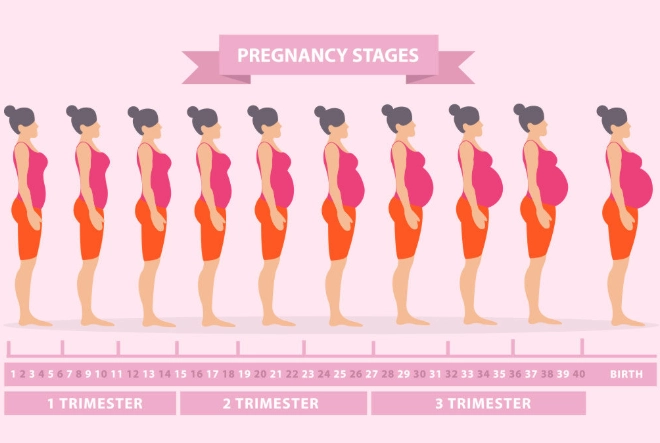
Answers to Your Burning Questions
Let's tackle some of the specific questions that swirl around this topic. These are the things I used to stay up late Googling.
Could implantation happen at 3 DPO and cause symptoms?
Medically, it's highly improbable. The fertilized egg simply isn't developed enough or in the right place that early. The journey to the uterus and the preparation for implantation take time. While every body is unique, an implantation timeline of 3 DPO is not supported by embryology studies.
I feel different this cycle at 3 DPO. Does that mean I'm pregnant?
It could, but it's far more likely that you're noticing normal progesterone symptoms more acutely because you're hopeful and hyper-focused. Cycles can also vary naturally. A different feeling isn't a reliable indicator of pregnancy at this stage. The only reliable indicators are a positive pregnancy test or a confirmed ultrasound.
What does implantation bleeding look like, and when does it happen?
Implantation bleeding, if it occurs, is typically very light spotting—a few drops of pink or brown discharge. It's not a full flow. It usually happens around the time of implantation, most commonly between 6 and 12 DPO, not at 3 DPO. Many women never experience it at all.
If I have no symptoms at all, does that mean I'm not pregnant?
Absolutely not. In the very early weeks, a complete lack of symptoms is completely normal and very common. Some women sail through the first trimester with barely a hint of nausea. The presence or absence of symptoms is not a good measure of whether a pregnancy is viable or not.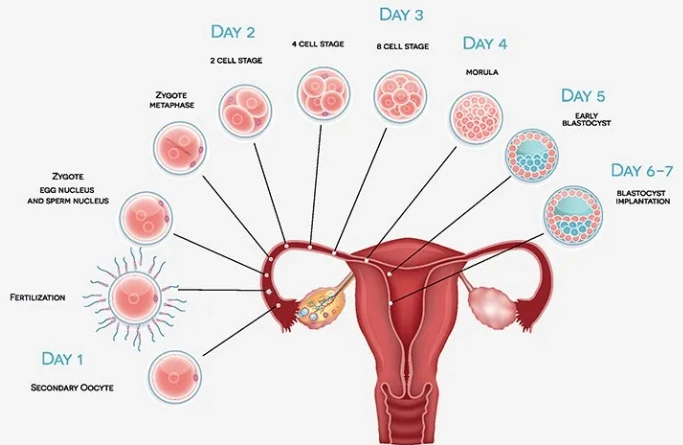
A Critical Warning: Be Wary of "Guaranteed" Early Signs
Any website or person claiming to list definitive, guaranteed "3 days pregnant symptoms" is not providing evidence-based information. They are likely preying on the anxiety and hope of people in the two-week wait. Trust sources that explain the biological process, like the ACOG or major medical centers, over anecdotal forum posts.
Wrapping Up: A Shift in Perspective
The hunt for "3 days pregnant symptoms" is a rite of passage for anyone trying to conceive. It comes from a place of hope and a deep desire to know. But anchoring your hopes to this ultra-early timeline can lead to unnecessary anxiety and monthly disappointment.
The truth is, your body is amazing and complex. At 3 days past ovulation, it's doing the quiet, meticulous work of early cell division and transportation. The grand hormonal production that causes noticeable symptoms hasn't even begun. What you're feeling is real, but it's likely the work of progesterone, stress, or normal bodily functions.
My biggest piece of advice, hard-won from experience? Try to release the need to know immediately. The answer will come in time, through a test or your period. In the meantime, be kind to yourself. The waiting is brutal, but arming yourself with accurate information about when symptoms truly start—and understanding why "3 days pregnant symptoms" aren't a realistic expectation—can be a powerful tool for maintaining your peace of mind during this challenging time.
Focus on the later window, protect your mental health, and know that whatever the outcome this cycle, you're navigating one of the most human experiences there is.
Reader Comments