Let's cut straight to the chase. If you're searching "how do you feel 5 days pregnant," you're likely in the agonizing (and hopeful) "two-week wait" after ovulation. You're scrutinizing every twinge, every wave of fatigue, wondering if it's a sign. I've been there myself, and I've guided hundreds through it. The short, blunt answer is: you might not feel anything conclusively different at all. And that's perfectly normal.
Here’s the reality check. Pregnancy is dated from the first day of your last menstrual period (LMP). So, medically speaking, at "5 days pregnant," you're not even pregnant yet—you're likely ovulating. What you probably mean is 5 days past ovulation (5 DPO). At this microscopic timeline, a fertilized egg, if present, is still traveling down the fallopian tube. The magic moment of implantation, when it burrows into the uterine lining, typically happens between 6-10 DPO. That's when the pregnancy hormone hCG starts production.
So, any sensations at 5 DPO are not from pregnancy hormones. They're from progesterone, which rises after ovulation whether you're pregnant or not. This is the cruel twist that makes early symptom spotting so misleading.
What You'll Find in This Guide
What You Might Realistically Feel at 5 DPO
Since pregnancy-specific hormones aren't in play yet, any feelings are tied to your post-ovulatory phase. Progesterone is a powerful hormone. It prepares the body for a potential pregnancy and, in doing so, creates sensations eerily similar to early pregnancy signs. Here’s a breakdown of what's common and what's often misinterpreted.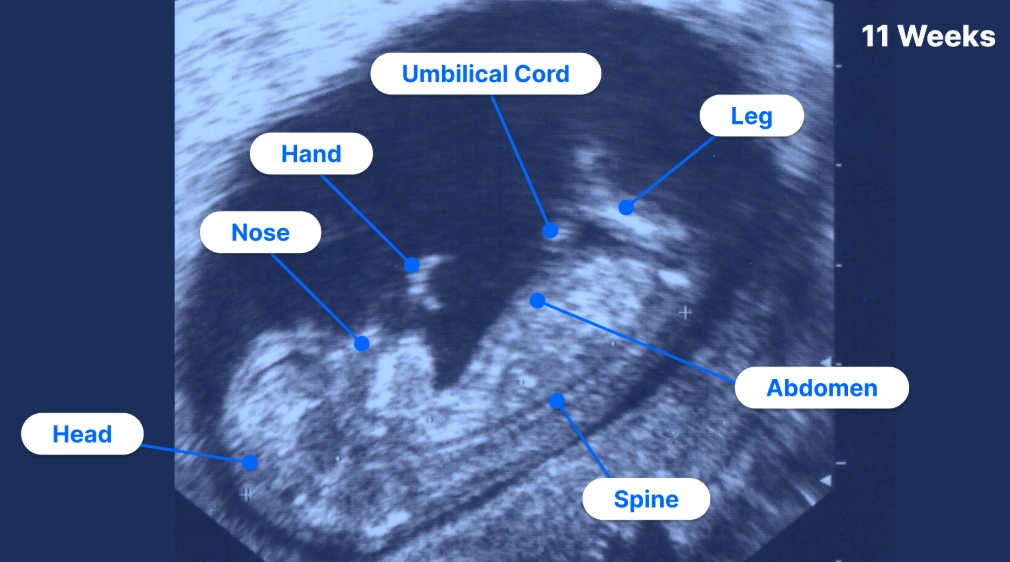
| Sensation at 5 DPO | Likely Cause | Pregnancy Link? |
|---|---|---|
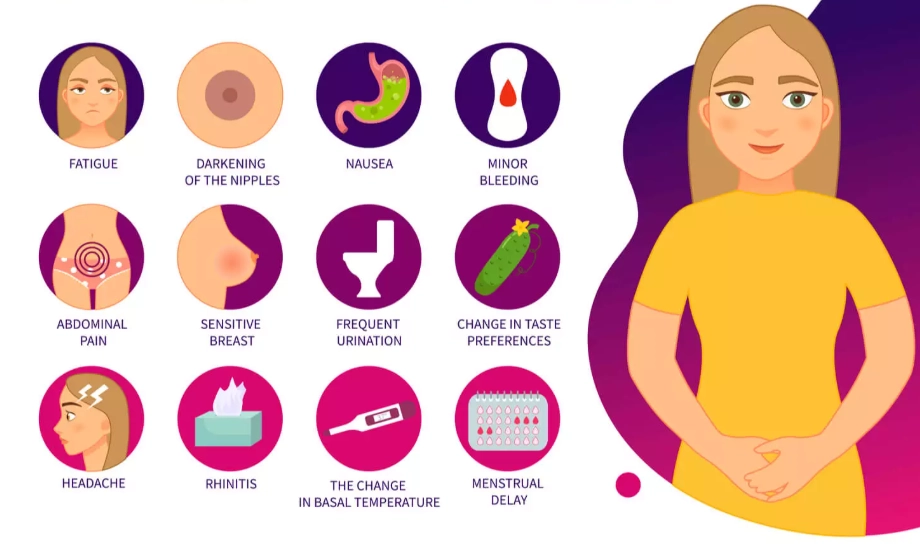
| Fatigue or tiredness | High progesterone levels. This hormone has a sedative effect. | Common in both early pregnancy and pre-period. Not a reliable indicator. |
| Breast tenderness or fullness | Progesterone (and estrogen) causing milk duct growth and fluid retention. | Very common pre-period. Can be more persistent in pregnancy, but not this early. |
| Mild cramping or twinges | Could be normal ovarian activity post-ovulation, gas, or intestinal cramps. | Implantation cramping usually occurs later (6-10 DPO). Cramps at 5 DPO are unlikely to be implantation. |
| Mood swings or irritability | Hormonal fluctuations in the luteal phase. | Again, progesterone is the main actor here, not hCG. |
| Increased sense of smell | Sometimes reported anecdotally. Could be heightened awareness. | More associated with later in the first trimester. Hard to attribute at 5 DPO. |
| No symptoms at all | Your body is just going about its normal cycle business. | This is the most common scenario and says nothing about your chances of being pregnant. |
I want to stress that last row. The internet is flooded with stories of women who "just knew" at 3 or 4 DPO. While I don't doubt their experiences, for every one of those, there are dozens who felt utterly normal and went on to have a healthy pregnancy. Placing pressure on yourself to feel something is a fast track to anxiety.
A Non-Consensus Viewpoint: Many forums treat "implantation bleeding" as a guaranteed sign. In my experience and according to research from sources like the American College of Obstetricians and Gynecologists (ACOG), only about 15-25% of pregnancies experience any bleeding at implantation. Relying on its absence—or presence—is a shaky foundation. Spotting can also be from progesterone fluctuations or even irritation.
Implantation: The Pivotal Event You're Waiting For
Everything changes at implantation. This is when the blastocyst (early embryo) attaches to the uterine wall, usually 6-10 days after ovulation. It's only after this event that the body starts producing human chorionic gonadotropin (hCG), the hormone detected by pregnancy tests.
Could Implantation Happen at 5 DPO?
It's theoretically possible but statistically early. Most studies place the median implantation time at 8-9 DPO. An analysis published in the New England Journal of Medicine found that implantation occurring before 6 DPO was rare. So, while you might be hyper-vigilant, the odds are that the key event hasn't happened yet.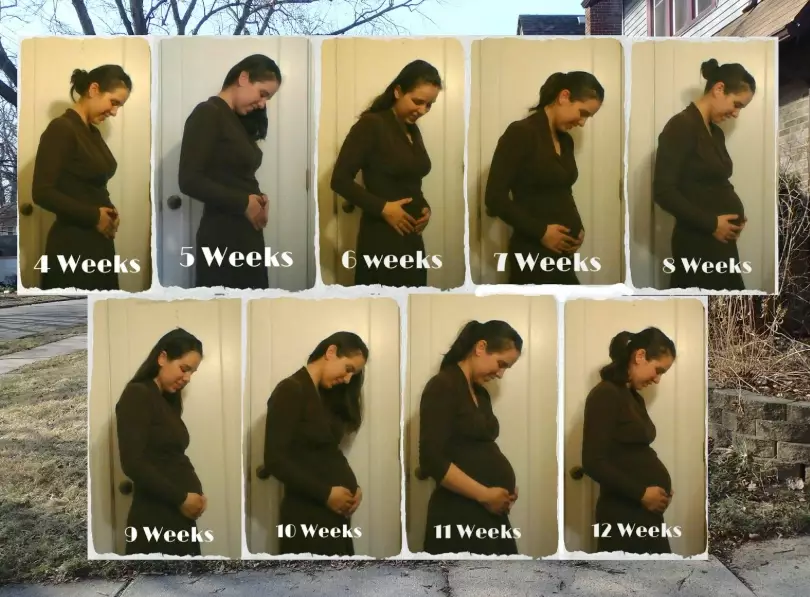
What Does Implantation Feel Like?
If it happens at the later end of the window, you might notice:
- Light spotting or pink/brown discharge: Often overhyped, remember it's a minority experience.
- Mild cramping: Different from menstrual cramps—often described as a dull ache, pulling, or tingling, and very localized.
- A temporary dip in basal body temperature (BBT): Known as the "implantation dip," seen on fertility charts.
But here's the kicker: you could also feel nothing. Many women are completely unaware implantation is occurring.
Symptom or Progesterone? How to Tell the Difference
This is the million-dollar question. Since progesterone causes both premenstrual syndrome (PMS) and supports early pregnancy, the symptoms are virtually identical in the first week after ovulation.
I advise my clients to use a mental framework I call "Noting, Not Hunting."
- Noting: Acknowledge a sensation. "Huh, my breasts are sore today."
- Not Hunting: Do not immediately assign it as a "pregnancy symptom." Do not go down an internet rabbit hole. Do not let it dictate your mood.
The only true differentiators come with time. In a non-pregnancy cycle, progesterone levels fall, your period arrives, and symptoms cease. In a pregnancy cycle, hCG takes over, and symptoms like nausea and fatigue may intensify or persist past your expected period date.
At 5 DPO, you're in a biological no-man's-land where distinction is impossible. The most useful thing you can do is manage your mindset.
What To Do (and Not Do) Right Now
Action beats anxiety. Instead of obsessing over phantom symptoms, focus on concrete steps that support your health regardless of the outcome.
Do This:
- Take your prenatal vitamin. Folic acid is critical for neural tube development, which happens in the first few weeks—often before you know you're pregnant. The CDC recommends 400 mcg daily for all women of childbearing age.
- Stay hydrated and eat nourishing foods. Your body is doing important work.
- Continue mild to moderate exercise. It's great for stress relief and overall health.
- Plan distractions. Book a movie night, start a new book series, dive into a work project. The wait feels longer when you're clock-watching.
Avoid This:
- Taking a pregnancy test. It's a waste of money and emotional energy. hCG levels are undetectable this early.
- Drinking alcohol or using recreational drugs. The safest approach is to live as if you could be pregnant.
- Panic-searching every symptom. It amplifies anxiety and doesn't change the outcome.
- Comparing your journey to others' online. Every body and every cycle is unique.
Your Burning Questions, Answered
So, how do you feel 5 days pregnant? You might feel hopeful, anxious, tired, tender, or perfectly normal. All of those are valid. The physical sensations are likely courtesy of progesterone, not a baby. The emotional rollercoaster is courtesy of the intense desire to grow your family.
Give yourself grace. The wait is hard because the outcome matters. Focus on the things within your control—your health, your mindset, your self-care. The rest will reveal itself in time.
Reader Comments