Let's cut straight to the chase. At 3 months pregnant—which is around the end of your first trimester, weeks 9 to 13—your baby is about the size of a large olive or a small plum. In more clinical terms, the crown-to-rump length (sitting height) is roughly 2.1 to 3.2 inches (5.4 to 8.1 cm), and the weight is around 0.2 to 0.5 ounces (7 to 14 grams). But if you're picturing a tiny, featureless bean, you're in for a surprise. The real story isn't just the size; it's the mind-blowing transformation happening inside you right now.
I remember during my first pregnancy, obsessively comparing my baby's size to different fruits each week. At three months, the apps said "lime," but that felt abstract. What mattered more was understanding what that little lime-sized being was actually doing. That's what most articles gloss over. They give you the measurement but skip the context that makes it meaningful for an expecting parent.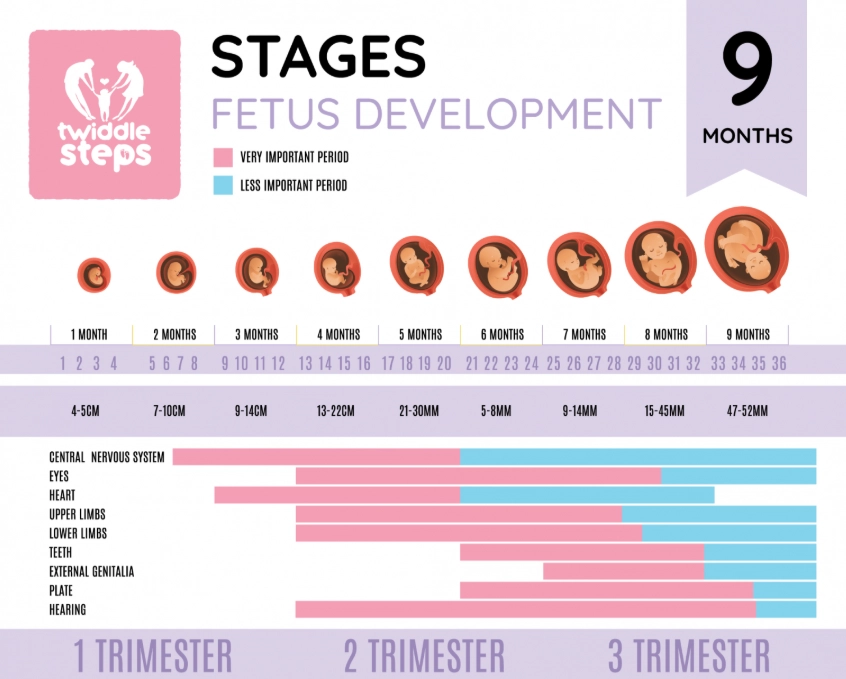
What You'll Discover in This Guide
The Exact 3 Month Fetus Size and Weight
Here's a breakdown you won't find in a simple fruit comparison chart. Size at this stage is measured from crown to rump (CRL), because the legs are often curled up. The growth is incredibly rapid.
| Week of Pregnancy | Crown-to-Rump Length (CRL) | Approximate Weight | Common Size Comparison |
|---|---|---|---|
| Week 9 | 0.9 - 1.2 in (2.3 - 3 cm) | 0.07 oz (2 g) | Large Olive, Grape |
| Week 10 | 1.2 - 1.6 in (3.1 - 4.2 cm) | 0.14 oz (4 g) | Kumquat, Prune |
| Week 11 | 1.6 - 2.1 in (4.1 - 5.4 cm) | 0.25 oz (7 g) | Fig, Lime |
| Week 12 | 2.1 - 2.5 in (5.4 - 6.4 cm) | 0.35 oz (10 g) | Plum, Large Strawberry |
| Week 13 | 2.5 - 3.2 in (6.4 - 8.1 cm) | 0.5 - 0.7 oz (14 - 20 g) | Peach Pit, Small Lemon |
One nuance most don't mention: these measurements are averages from large population studies, like those from the World Health Organization. Your baby might be slightly above or below these ranges and be perfectly healthy. The consistency of growth over time is often more important than a single measurement.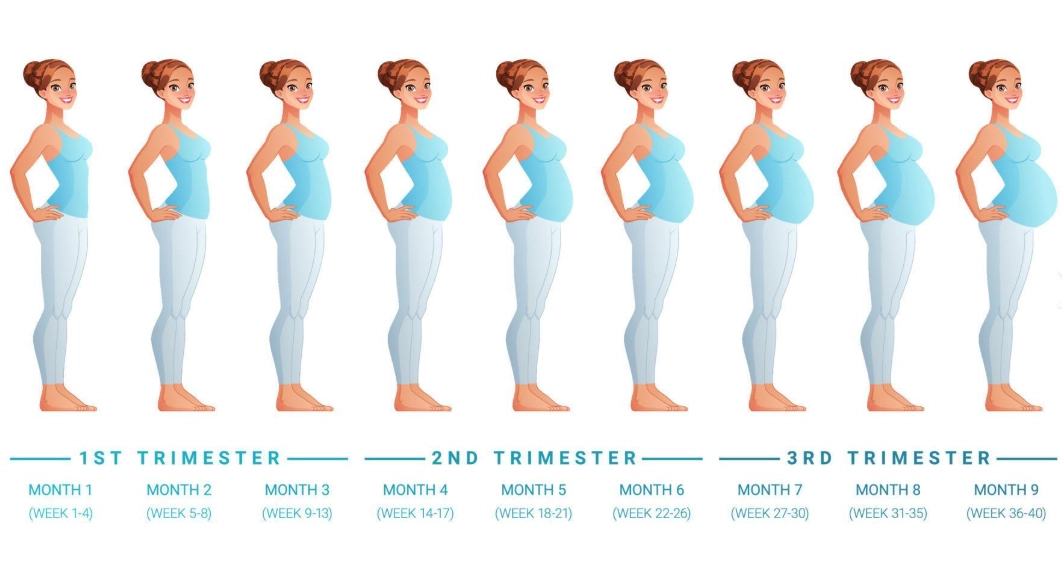
Beyond Size: The Major Developmental Leaps at 3 Months
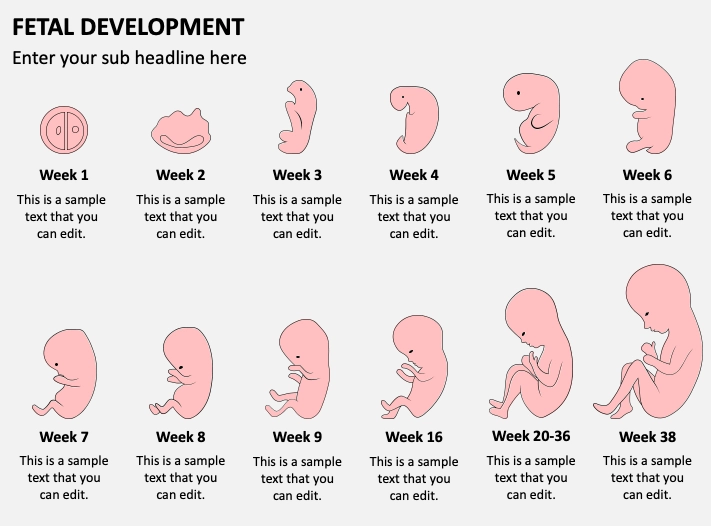
This is where it gets fascinating. The size is just the container; the contents are being built at a breakneck pace. By the end of the third month, the embryo officially becomes a fetus. The basic blueprint for every major organ and system is in place.
Think of it like the most complex IKEA furniture ever. All the parts are out of the box and assembled into the right shape. Now, the next six months are about refining, testing, and putting on the finishing touches.
What's Forming and Functioning?
Organs are GO. The heart has divided into four chambers and is beating at a wild 110-160 beats per minute—you can often hear it on a Doppler at your prenatal visit. The liver is making blood cells, the kidneys are starting to produce urine (which becomes amniotic fluid), and the intestines are rotating into position.
Limbs get real. Fingers and toes are fully separated, losing their webbed appearance. Tiny nails begin to form. The arms and legs can move—little kicks and stretches—though you won't feel them for another month or two.
The face becomes human. Eyes, which started on the sides of the head, have moved closer together. Eyelids are formed but fused shut. The ears are in their final position on the sides of the head. The mouth can even open and close.
The brain is wiring up. Neurons are multiplying like crazy. The pituitary gland at the base of the brain starts producing hormones.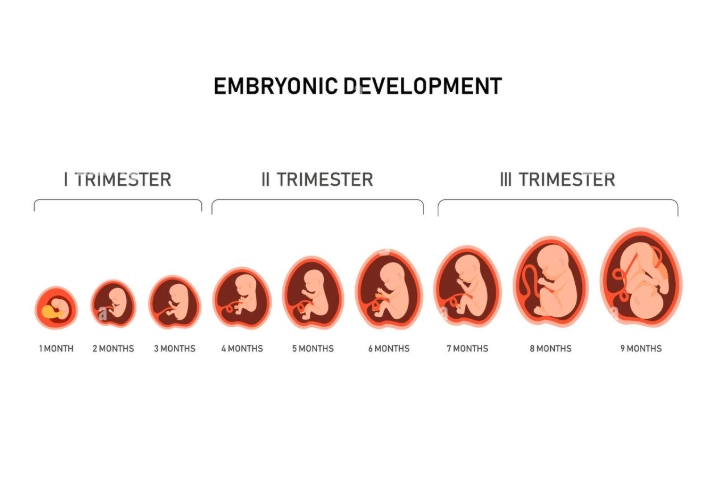
A Personal Observation: Many pregnancy apps will tell you "baby is practicing breathing." At this stage, that's a bit of an oversell. The diaphragm is developing and may contract, causing the chest to move in a breathing-like motion, but it's not purposeful practice. It's more like a system check. I find it's more helpful to focus on the tangible: they have all their fingers, a beating heart you might see on an ultrasound, and a brain that's starting to fire.
What's Happening With You at 3 Months Pregnant
While your baby is busy transforming, your body is its life support system, construction site, and protector all in one. The focus isn't on a prominent bump yet (though some women, especially in second or later pregnancies, may start showing). The action is mostly internal and hormonal.
The Symptom Shift. For many, the peak of nausea ("morning" sickness that can last all day) hits around weeks 9-10 and may start to ease by week 12-13. Extreme fatigue is still very common—your body is using massive energy to build the placenta. You might also notice breast tenderness, mood swings, and heightened sense of smell.
Nutrition is Key, Not Just Calories. The American College of Obstetricians and Gynecologists (ACOG) emphasizes folate, iron, calcium, and DHA during this period for neural tube and overall development. If you're struggling to keep food down, don't panic about a perfect diet. Prioritize keeping hydrated and eating what you can tolerate. A prenatal vitamin is your safety net.
The First Big Checkpoint: The NT Scan. Often scheduled between weeks 11 and 13, the nuchal translucency scan is a major appointment. It uses ultrasound to measure fluid at the back of the baby's neck and, combined with a blood test, assesses the risk for certain chromosomal conditions. It's also your first detailed look at your baby's anatomy. Seeing that little profile and active movement can make the early pregnancy struggles feel incredibly real and worthwhile.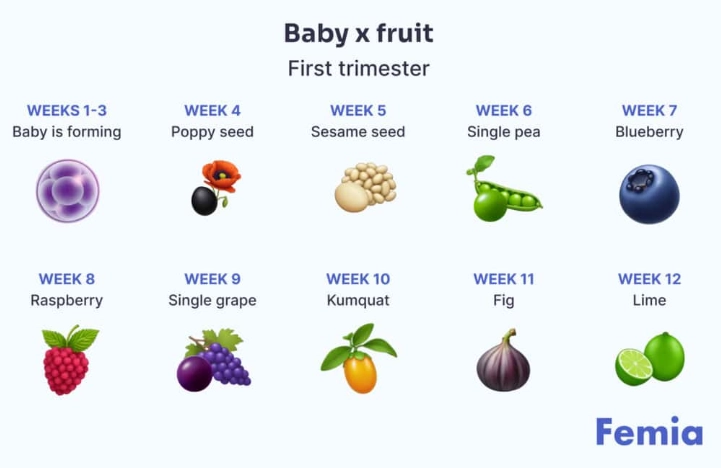
Your Top Questions About the 3 Month Pregnant Baby Size, Answered
Reader Comments