Let's clear something up right away. If you're searching for how to tell if you're pregnant in the second week, you're probably feeling a mix of hope, anxiety, and confusion. I've been there. The internet is full of vague lists and contradictory advice. Here's the blunt truth most articles won't lead with: medically speaking, you cannot be pregnant in the second week of pregnancy. Sounds crazy, right? Stick with me. Understanding this is the key to saving your sanity during the infamous two-week wait.
What You'll Find in This Guide
Why "Week 2" Is So Confusing
Doctors don't start counting pregnancy from the day you conceive. It starts from the first day of your last menstrual period (LMP). This is called gestational age. So, in this 40-week countdown:
- Week 1: You are on your period.
- Week 2: Your body is preparing for ovulation. An egg is maturing, but it hasn't been released yet.
- Week 3: Ovulation and fertilization likely occur. The sperm meets the egg.
- Week 4: The fertilized egg implants in your uterus. This is when pregnancy truly begins, and your body starts producing the pregnancy hormone hCG.
So, when you ask about "week 2," you're often actually asking about the days immediately after ovulation and potential conception, which medically fall in week 3 or 4. This terminology gap causes a ton of unnecessary stress.
The Biological Reality of Very Early Pregnancy
Let's talk about what's physically happening. For pregnancy to cause symptoms, the embryo must implant and signal your body. That signal is the hormone human chorionic gonadotropin (hCG).
No implantation, no significant hCG. No hCG, no pregnancy symptoms a test can detect, and likely no symptoms you can feel.
Implantation typically occurs 6 to 12 days after ovulation. Only after that does hCG production ramp up enough to potentially cause physical effects or be picked up by a test. Trying to feel pregnant before implantation is like trying to hear an echo before you've shouted.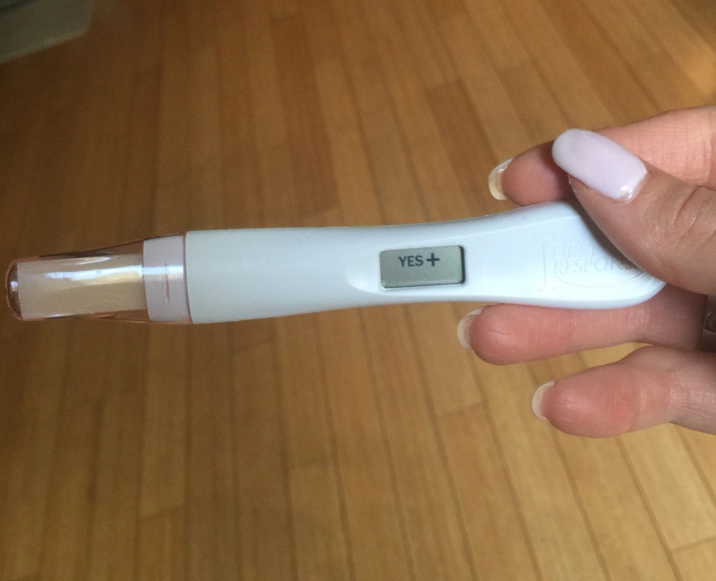
The Timeline That Actually Matters
Forget "week 2." Think in terms of Days Past Ovulation (DPO).
- 1-5 DPO: The fertilized egg is traveling down the fallopian tube. Your body has no idea it's there. Any "symptoms" are from progesterone, which rises after ovulation whether you're pregnant or not.
- 6-10 DPO: Implantation window. Some women report slight spotting or cramping, but many feel nothing at all.
- 8-12 DPO: The earliest possible time a sensitive pregnancy test might show a very faint positive.
- 12-14 DPO: The most reliable time to test. This is when your period is due.
Subtle Signs That Might Mean Something (Or Nothing)
I'm hesitant to list symptoms because it fuels symptom-spotting, which is a special kind of torture. Progesterone is the great imitator. It causes bloating, tender breasts, mood swings, and fatigue in the second half of your cycle every single month.
However, with a decade of talking to women in online communities and from personal experience, I'll share the nuances that sometimes differ.
Progesterone vs. Early Pregnancy Signs:
- Breast Tenderness: Progesterone soreness is often broad and dull. Early pregnancy tenderness can be more pronounced, with a tingling sensation and noticeable heaviness that seems to increase rapidly, not just before your period.
- Fatigue: Pre-menstrual tiredness is common. The exhaustion some report in early pregnancy can feel more profound, like a heavy blanket you can't shake, even after a full night's sleep.
- Implantation Bleeding/Spotting: This is the one potential differentiator. It's usually light pink or brown, lasts a day or two, and occurs around the time you'd expect implantation (6-12 DPO). Crucial point: not everyone has it. I didn't in either of my pregnancies. Assuming any spotting is implantation is a mistake.
- Basal Body Temperature (BBT): If you're tracking, a sustained high temperature for 18+ days after ovulation is a stronger sign than any physical symptom. It's data, not a feeling.
Here’s the expert non-consensus view: The most reliable "symptom" in the earliest days is the absence of premenstrual symptoms you normally get. If you always get raging acne or specific cramps 3 days before your period and they just don't show up, that can be more telling than a new sensation.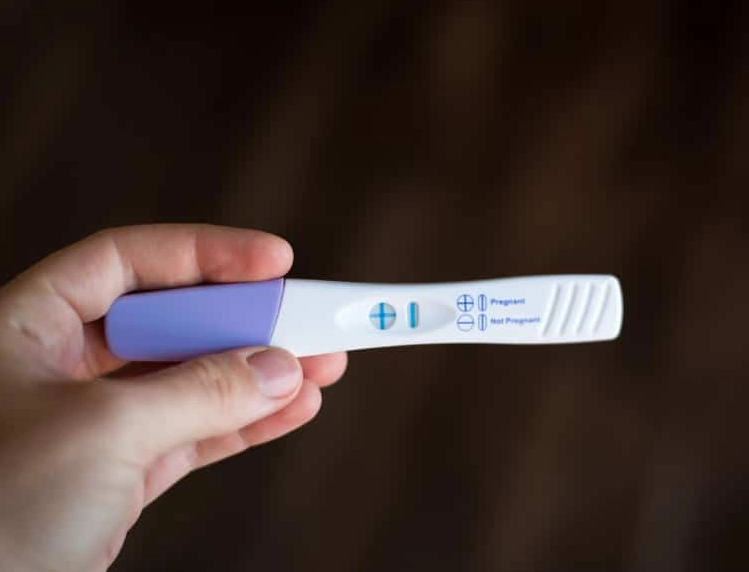
The Only Reliable Way to Know: When to Test
Stop guessing. Testing too early is the biggest mistake people make. It leads to false negatives, wasted money, and crushed hope.
The Rule: The best day to test is the day your period is due, or the day after. For most women with a 28-day cycle, that's about 14 days after ovulation (14 DPO).
Yes, some ultra-sensitive tests claim to detect hCG 6 days before your missed period (around 8 DPO). But at 8 DPO, only a small percentage of pregnant women will have enough hCG. You might be one of the lucky ones, but you're more likely to see a stark white negative and spend the next week in doubt, testing daily.
How to test accurately:
- Use your first morning urine. It's the most concentrated.
- Read the test within the time window on the instructions. Ignore "evaporation lines" that appear after 10 minutes.
- If you get a faint line, test again in 48 hours. HCG should roughly double every 48 hours in early pregnancy, making the line darker.
According to the American College of Obstetricians and Gynecologists (ACOG), home pregnancy tests are highly accurate when used correctly at the appropriate time. Trust the science, not your anxiety.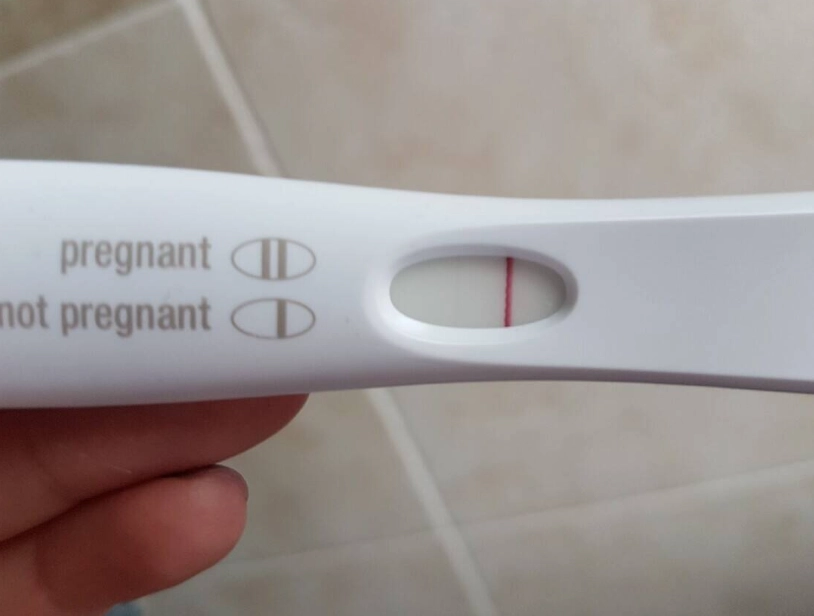
Common Mistakes and How to Avoid Them
Let's talk about the pitfalls. I've fallen into most of them.
Mistake 1: Symptom Over-Analysis. Every twinge, every craving, every wave of nausea is scrutinized. Solution: Keep a simple log if you must, but remind yourself: "Progesterone feels like this." Distract yourself. Plan a fun activity for the two-week wait.
Mistake 2: Testing with Watery Urine. Drinking a gallon of water to make yourself pee more often dilutes your hCG. Solution: Use a 4-hour urine hold without excessive fluids for a mid-day test, or just wait for the morning.
Mistake 3: Comparing Your Journey to Others. "She felt nauseous at 8 DPO!" Bodies are different. Implantation timing varies. Solution: Mute or unfollow social media accounts that trigger this comparison during the waiting period.
Mistake 4: Ignoring Fertility Awareness. If you're trying to conceive, knowing your cycle is power. Guessing at ovulation is far less effective than tracking it. Solution: Consider using ovulation predictor kits (OPKs) or tracking cervical mucus and basal body temperature to identify your fertile window accurately. Resources like those from the American Pregnancy Association on ovulation can be a great starting point.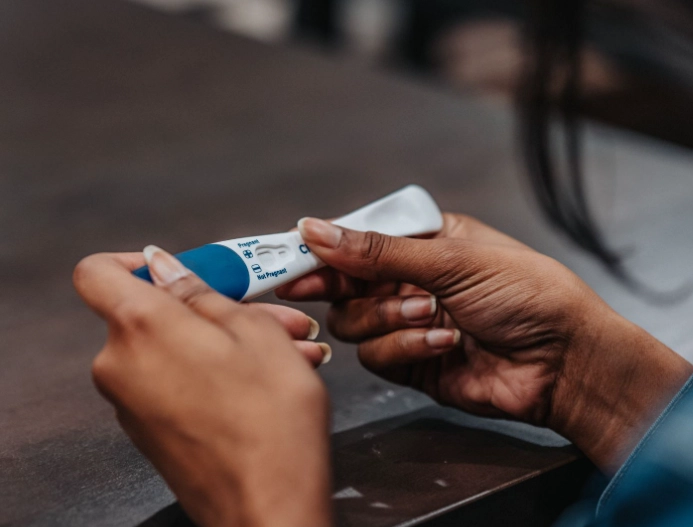
Your Burning Questions Answered
The journey of trying to conceive or wondering if you're pregnant is emotional. The "week 2" question comes from a place of eager hope. My final advice? Understand the timeline, track your cycle if you're trying, and save the pregnancy test for after your expected period date. Give your body the time it needs to give you a clear, unambiguous answer. The wait is hard, but a clear answer is worth it.
Reader Comments