Quick Navigation
Let's be real for a second. When you see that positive test, a million thoughts race through your mind. Excitement, sure. Maybe a little panic. And then... you start waiting. Waiting to feel different. Waiting for a sign that something's really happening in there. The first trimester is this weird limbo where you might not look pregnant yet, but oh boy, you can definitely feel it. And what you feel can range from "Is this just gas?" to "I need to lie down on the bathroom floor for the foreseeable future."
I remember my own first trimester vividly. I was expecting the classic morning sickness. What I wasn't expecting was the sheer exhaustion that hit me like a truck at 3 PM every single day, or the fact that my favorite coffee suddenly smelled like burnt tires. It's a wild ride.
This guide is here to walk you through every twist and turn. We're going beyond the basic list. We'll talk about the super common first trimester pregnancy symptoms, the weird ones nobody mentions, what's actually normal (and what's not), and most importantly, what you can actually do about it all. Consider this your friendly, no-BS handbook to surviving weeks 1 through 13.
The Absolute Hall-of-Famers: Most Common Early Pregnancy Signs
These are the symptoms that show up in every movie and book for a reason. If you're experiencing these, welcome to the club—it's a big one.
Nausea and Vomiting (The Not-So-Glamorous "Morning" Sickness)
Let's just call a spade a spade. For many, this is the defining feature of the first trimester. The term "morning sickness" is a cruel joke, honestly. It can strike at any time—morning, noon, or night. For some, it's just a persistent, rolling nausea that makes the thought of food revolting. For others, it's more... active.
Why does this happen? Blame the rapid rise in pregnancy hormones, especially human chorionic gonadotropin (hCG). Your sense of smell also goes into hyperdrive, which doesn't help. The American College of Obstetricians and Gynecologists (ACOG) has some great, science-backed resources on managing nausea, which we'll get into.
Mind-Blowing Fatigue
This isn't just "I need a nap" tired. This is "I just slept eight hours and could easily sleep eight more" exhaustion. Your body is working overtime building the placenta and supporting your baby's early development. It's like running a marathon every day while sitting at your desk.
Listen to your body. Seriously.
If you can sneak in a nap, do it. Delegate chores. It's okay to let the laundry pile up a bit. This level of fatigue usually starts to lift as you enter the second trimester.
Tender, Swollen Breasts
One of the very earliest signs for many people. Your breasts might feel sore, heavy, tingly, or super sensitive to touch. The areolas (the area around your nipples) might darken and little bumps called Montgomery's tubercles might become more prominent. Your body is prepping the milk factories, and it starts the construction project early.
Frequent Urination
Even before your uterus is big enough to press on your bladder, hormonal changes increase blood flow to your kidneys, making them more efficient. The result? You're peeing. A lot. It can be one of the most annoying 1st trimester symptoms, especially when it interrupts your sleep.
The Underrated and Often Unexpected Symptoms
Okay, now let's get into the stuff that might catch you off guard. These are less talked about but completely normal parts of the early pregnancy package.
Food Aversions and Cravings
Suddenly, the salad you loved last week makes you gag. Or you have an intense, undeniable need for pickle juice at midnight. Cravings and aversions are thought to be your body's way of steering you toward (or away from) certain nutrients, though sometimes the logic is... questionable. (Pickles for salt? Maybe. Ice cream and pickles together? Your guess is as good as mine.)
Mood Swings
One minute you're crying at a cute dog video, the next you're irrationally angry because someone used the last of the milk. The hormonal tsunami is real and directly impacts your brain chemistry. Cut yourself some slack. It's not "just in your head"—it's literally caused by the hormones flooding your system.
Constipation and Bloating
The hormone progesterone acts as a muscle relaxant throughout your body, and that includes your digestive tract. Things slow down. Way down. This can lead to bloating (that "puffy" feeling early on) and constipation. Drinking tons of water and eating fiber-rich foods becomes non-negotiable.
Heightened Sense of Smell
This one is a big trigger for nausea. Perfumes, garbage, coffee, gasoline—scents you barely noticed before can become overwhelming and nauseating. It's a primal thing, supposedly to help you avoid spoiled food or toxins. Doesn't make it any less annoying when your co-worker's lunch makes you run for the hills.
Spotting and Cramping
This one scares people, and for good reason. But light spotting (often pink or brown) and mild cramping can be perfectly normal. It's often called "implantation bleeding" if it happens around the time your period is due, as the fertilized egg burrows into the uterine lining. Mild cramps can feel like period cramps as your uterus begins to stretch.
Your First Trimester Symptom Cheat Sheet
Let's break this down visually. Here's a quick-reference table comparing the most common first trimester of pregnancy symptoms, when they typically start, and their usual trajectory.
| Symptom | When It Often Starts | Peaks Around... | When It Usually Eases |
|---|---|---|---|
| Nausea/Vomiting | Weeks 4-6 | Weeks 8-10 | Weeks 12-14 (for most) |
| Fatigue | Week 4-5 | First trimester | Second trimester |
| Breast Tenderness | Week 4-6 | First trimester | Often improves after 1st tri |
| Frequent Urination | Week 6-8 | First & Third trimesters | May lessen in 2nd tri, returns later |
| Food Aversions/Cravings | Week 5-8 | First trimester | Varies widely; can last whole pregnancy |
| Constipation/Bloating | Week 8+ | Can persist | Management-dependent, may continue |
See? It's a phase. A challenging one, but a phase. Having a rough idea of the timeline can make it feel less endless.
Action Plan: What To Do About These Symptoms
Knowing what's coming is half the battle. The other half is having a toolkit to deal with it. Here are some real, practical strategies that go beyond "eat crackers."
Combating Nausea Like a Pro
- Eat Small, Often: An empty stomach is nausea's best friend. Keep plain crackers, dry cereal, or pretzels by your bed and eat a few before you even sit up.
- Identify Triggers: For me, it was strong cooking smells. For you, it might be certain textures. Avoid them when you can.
- Try Ginger: Ginger tea, candied ginger, ginger ale (with real ginger). Studies, including those referenced by the National Institutes of Health (NIH), support its anti-nausea properties.
- Acupressure Bands: Those seabands you wear on your wrists. Some people swear by them. They're drug-free, so worth a shot.
- Vitamin B6: A classic recommendation. The American College of Obstetricians and Gynecologists (ACOG) often suggests 10-25 mg of B6 every 8 hours. Always check with your doctor before starting any supplement.
Managing the Energy Crisis (A.K.A. Fatigue)
- Surrender to the Nap: A 20-30 minute power nap can be a game-changer.
- Prioritize Sleep: Go to bed earlier. Seriously. Your body is doing massive construction work while you sleep.
- Simplify Everything: Now is the time for grocery delivery, easy meals, and saying no to optional commitments. Protect your energy like it's your most valuable currency—because it is.
Dealing With Tender Breasts and Other Discomforts
- Get a Supportive Bra: Even for sleeping. A soft, wireless sleep bra can make a world of difference if you're a side-sleeper.
- For Constipation: Water, water, water. Prunes, kiwi, oats, and chia seeds are your friends. A stool softener approved by your doctor can be a lifesaver.
- For Frequent Urination: Don't cut back on fluids—you need them! Just try to front-load your water earlier in the day and taper off before bed. Lean forward when you pee to help empty your bladder more completely.
Questions You're Probably Asking (FAQs)
Is it normal to have NO symptoms in the first trimester?
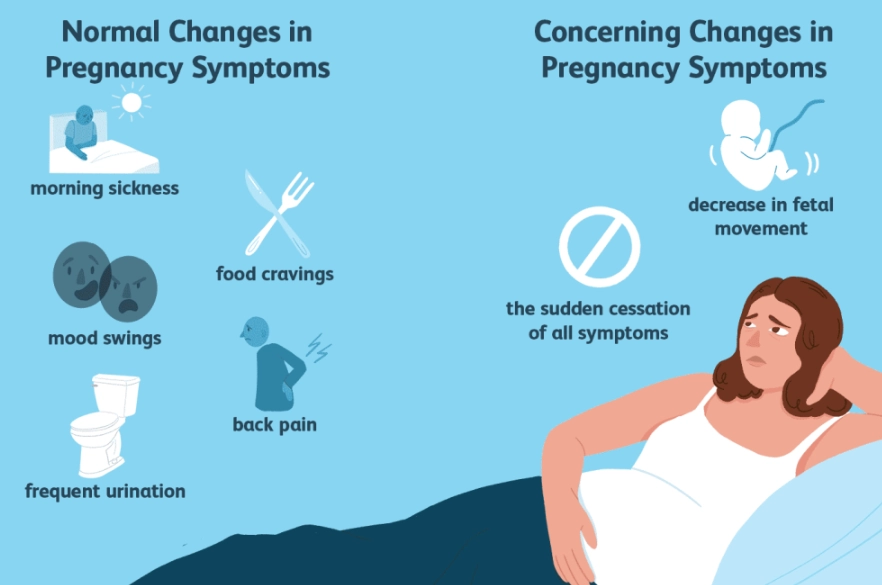
Yes! It's less common, but it happens. Every pregnancy is different. Some people sail through the first trimester with barely a blip. The absence of symptoms doesn't necessarily mean anything is wrong. Your body might just be handling the hormonal shifts like a champ. Try not to compare your journey to others—it's a surefire way to drive yourself nuts.
What symptoms are RED FLAGS in the first trimester?
Knowing when to call is crucial. Contact your healthcare provider immediately if you experience:
- Heavy vaginal bleeding (soaking through a pad in an hour).
- Severe abdominal pain or cramping that doesn't go away.
- Painful urination (could be a UTI, which is more common in pregnancy).
- Fever over 100.4°F (38°C) that doesn't break.
- Severe or persistent vomiting where you can't keep any food or liquids down for 24 hours.
- Sudden, severe headache, visual disturbances, or dizziness (signs of high blood pressure).
The Centers for Disease Control and Prevention (CDC) provides clear guidelines on warning signs during pregnancy that are worth bookmarking.
Can I take medication for these symptoms?
Some medications are considered safe during pregnancy, but you must always consult your doctor or midwife first. Don't just assume an over-the-counter drug you used before is okay. For example, many providers will approve certain antacids, acetaminophen (Tylenol) for pain, and specific antihistamines. But others, like ibuprofen or most herbal supplements, are typically off-limits. Your provider's list is the only one that matters.
How can I tell if it's a pregnancy symptom or just being sick?
This is a classic first-trimester puzzle. Pregnancy fatigue is profound and persistent. A cold might make you tired, but it usually comes with a sore throat, cough, or congestion. Pregnancy nausea is often triggered by smells or an empty stomach and can last all day. A stomach bug usually comes on fast, involves more active vomiting/diarrhea, and passes in 24-48 hours. When in doubt, a call to your doctor's nurse line can provide peace of mind.
The Big Picture: You've Got This
Look, the first trimester can be tough. It's a period of massive, invisible change, and the symptoms of the first trimester are your body's way of telling you about the incredible work it's doing. It's okay to not love every minute of it. It's okay to complain. It's also okay to have a symptom-free experience and wonder what everyone is talking about.
The most important thing is connection.
Connect with your healthcare provider, ask all the questions, and report any concerns. Connect with your partner or support system—let them know what you need, even if it's just quiet and a ginger ale. And try to connect, even a little, with the process. Those wild symptoms? They're proof that something amazing is starting.
For the most reliable, up-to-date information beyond symptoms, like prenatal testing and nutrition, bookmark sites like the March of Dimes. They're a fantastic resource for the entire journey.
Take it one day, one symptom, one nap at a time. The second trimester, with its famed energy boost and (for many) relief from nausea, is on the horizon. You're doing great.
Reader Comments