You typed that question into Google, heart maybe pounding a little. You're in the dreaded "two-week wait," scrutinizing every twinge, every mood swing, wondering if this is it. I've been there, more times than I care to admit. Let's cut through the noise and myths right now. The short, blunt answer? At two weeks pregnant, you likely won't feel anything definitively pregnant. In fact, medically speaking, you aren't even pregnant yet. Confused? That's the first crucial piece of information most articles gloss over.
Quick Guide: Navigating the Earliest Days
The Medical Reality of Being ‘2 Weeks Pregnant’
Doctors don't count pregnancy from conception or implantation. They count from the first day of your last menstrual period (LMP). This is called gestational age. So, at 2 weeks pregnant (by this medical definition), you are actually ovulating or about to ovulate. Conception hasn't even occurred.
Here’s a breakdown of what’s *actually* happening in your body during this time:
| Week (Gestational Age) | What's Actually Happening | Can You Feel Pregnant? |
|---|---|---|
| Week 1 | Your period is happening. The body is prepping a new egg. | No |
| Week 2 | Ovulation occurs. The egg is released and travels. | No |
| Week 3 | Fertilization and implantation happen. | Possibly some light spotting/cramps |
| Week 4 | hCG hormone starts rising. Missed period. | Early symptoms may begin |
So when people talk about "2 weeks pregnant symptoms," they are often referring to the time around implantation or very early pregnancy, which is medically 3 or 4 weeks pregnant. This terminology mix-up is a huge source of confusion and anxiety.
What You Might (or Might Not) Feel at 2 Weeks Past Ovulation
Let’s reframe. If we talk about 2 weeks after ovulation (which is roughly when your period is due), you could be medically around 4 weeks pregnant. This is when some women *start* to notice things. But here’s the kicker: the hormone progesterone rises after ovulation whether you're pregnant or not. It’s progesterone that causes so-called "pregnancy" symptoms like:
- Breast tenderness: Your boobs might feel sore, heavy, or tingly.
- Fatigue: You could feel wiped out, needing naps.
- Mood swings: Irritability, weepiness, or feeling emotional.
- Bloating: Your jeans might feel tighter.
- Light cramping: This can be from implantation or just your uterus doing its thing.
See the problem? These are also classic premenstrual symptoms (PMS). My own experience? Before my positive test, I was convinced I was getting my period because I had intense cramping and was super moody. I had none of the "typical" early signs like nausea or food aversions. Those came weeks later.
Bottom Line: You cannot reliably symptom-spot your way to a positive pregnancy test. The only unique early sign might be implantation bleeding—light pink or brown spotting that occurs 6-12 days after ovulation—but not everyone experiences it, and it can be mistaken for an early period.
Your Week-by-Week Timeline to Confirmation
The waiting is torture. I know. Instead of obsessing over feelings, focus on the timeline. This is what you can control.
The Two-Week Wait Survival Guide
Days 1-7 Past Ovulation (DPO): Live your life. Seriously. Go for walks, watch funny movies, dive into a hobby. Testing now is pointless as implantation hasn’t likely occurred. The fertilized egg is still traveling down the fallopian tube.
Days 8-10 DPO: Implantation may happen. Some women report a tiny dip in basal body temperature (implantation dip) or light spotting. This is the earliest you *might* get a faint positive on a super-sensitive test, but it’s still very early. False negatives are common.
Day 12-14 DPO (or day of expected period): This is the gold standard time to test. Your hCG levels are high enough for most home pregnancy tests to detect accurately. Use your first-morning urine for the highest concentration of hCG.
When to Test: A Clear Strategy
If you test too early, you risk a false negative, which is heartbreaking and wastes money. My rule of thumb? Wait until at least 12 DPO. If you can’t wait, use a test marketed for "early detection" (they can detect lower hCG levels) but be prepared for ambiguity. A faint line is a positive, but if it’s very faint, test again in two days to see if it darkens.
Expert Insight: The Biggest Misconception We Need to Fix
Here’s a non-consensus point that isn’t discussed enough: The obsession with "feeling pregnant" early on sets women up for unnecessary stress and can even delay recognizing a pregnancy if they don’t feel anything "different."
Many healthy, perfectly normal pregnancies have zero noticeable symptoms in the first few weeks. According to the American Pregnancy Association, while some women feel symptoms early, others don’t experience anything until several weeks in. The absence of symptoms does NOT mean something is wrong. Conversely, having strong PMS-like symptoms doesn’t guarantee a pregnancy. It’s a hormonal lottery.
The most reliable indicator of early pregnancy is a missed period followed by a positive test. Period. (No pun intended). Trust the test, not the twinge.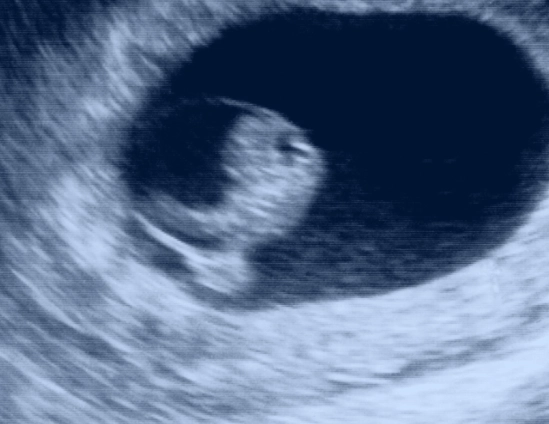
Your Burning Questions Answered
Not if you mean 2 weeks after your last period. At that point, you're ovulating, not pregnant. If you mean 2 weeks after conception (which is medically 4 weeks pregnant), then yes, a test should be positive by then. The key is the timing of implantation and hCG production. Testing before implantation has occurred is futile.
If we're using the medical definition (2 weeks gestational age), there are no signs, as pregnancy hasn't begun. If you're asking about the earliest signs after conception, implantation bleeding or cramping (around 3-4 weeks gestational age) can be a clue, but it's not universal. The rise in progesterone post-ovulation mimics early pregnancy, making symptom-spotting unreliable.
You often can't. That's the brutal truth of the two-week wait. Both are caused by progesterone. Some women report that pregnancy-related breast tenderness is more intense or that fatigue is more profound, but these are subjective. The only definitive differentiator is a missed period and a positive pregnancy test. Tracking your basal body temperature can offer a clue—if it stays elevated for 18+ days after ovulation, it's a strong sign—but even that isn't foolproof.
For most women, 10-12 days after ovulation (DPO). Some ultra-sensitive tests claim to detect hCG as early as 6-8 DPO, but at that stage, only a small percentage of pregnancies will have implanted. Testing this early leads to more false negatives than true positives. For peace of mind and to avoid confusion, the best advice is to wait until the day your period is due or the day after. The National Health Service (NHS) in the UK recommends testing from the first day of a missed period for the most reliable result.
The journey of trying to conceive is filled with hope, anxiety, and a lot of waiting. If you're in the thick of it, wondering what every little sensation means, please know you're not alone. The "2 weeks pregnant" phase is largely a silent, internal process. Be kind to yourself, distract yourself as much as possible, and let science (in the form of a pregnancy test taken at the right time) give you the answer your body is still whispering.
Reader Comments