Feeling your baby kick for the first time is pure magic. It’s a moment you’ll never forget—that first tangible connection with the little life growing inside you. But after the initial excitement, questions start to bubble up. Is my baby developing okay? Are they getting enough nutrients? What are the real signs of a healthy baby in the womb?
Every expecting parent wants reassurance. The truth is, while you can't see your baby directly, there are many reliable indicators—from fetal movements to ultrasound findings—that point to a healthy pregnancy. This guide breaks down those signs in plain English, so you can feel more informed and less anxious.
Your Quick Guide to a Healthy Pregnancy
What Are the Key Signs of a Healthy Baby?
Let's start with the basics. A thriving baby exhibits consistent growth, regular activity, and positive responses during medical checks. Here’s what to look for:
1. Consistent and Appropriate Fetal Movements
Feeling your baby move is one of the most reassuring signs. Here’s a timeline:
- Weeks 18-25: You'll start feeling those first flutters (quickening).
- Weeks 25-28: Movements become more regular and noticeable.
- Weeks 28 onward: You should feel distinct patterns of activity and rest.
A healthy baby tends to be more active in the evening and after you eat. By the third trimester, you should feel at least 10 distinct movements within a 2-hour period when doing a kick count.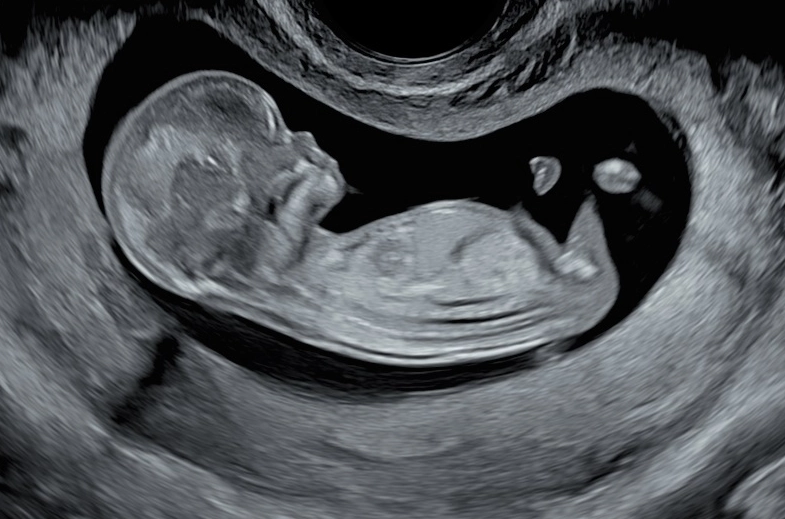
2. Steady Growth in Fundal Height
At each prenatal visit, your doctor or midwife measures your fundal height—the distance from your pubic bone to the top of your uterus. This measurement (in centimeters) should roughly equal the number of weeks you are pregnant, give or take 2 cm. Steady growth along this curve suggests your baby is developing well.
3. Normal Amniotic Fluid Levels
Amniotic fluid cushions your baby and aids in lung development. Too little (oligohydramnios) or too much (polyhydramnios) can indicate potential issues. Ultrasounds check these levels to ensure they're within a healthy range.
Understanding Your Baby's Growth and Development
Is my baby the right size? This question keeps many parents up at night. Growth is assessed through a combination of methods.
Ultrasounds are the primary tool. They measure key parameters:
| Measurement | What It Tells You | Healthy Range (Approx.) |
|---|---|---|
| Biparietal Diameter (BPD) | Head size | Varies by week; consistent growth curve |
| Head Circumference (HC) | Brain development | Matches gestational age |
| Abdominal Circumference (AC) | Nutritional status | Proportional to other measurements |
| Femur Length (FL) | Long bone growth | Consistent with gestational age |
| Estimated Fetal Weight (EFW) | Overall size | Between 10th & 90th percentiles |
The most important factor isn't a single number, but consistent growth over time. A baby measuring in the 30th percentile at 20 weeks who is still in the 30th percentile at 30 weeks is usually growing perfectly. A sudden drop or spike might warrant further investigation.
The Role of Prenatal Checkups and Tests
Regular prenatal visits are your best source of information. Your healthcare provider monitors several key indicators:
1. Heartbeat and Movement
A strong, regular fetal heartbeat (between 120-160 beats per minute) is a vital sign. You’ll hear it at every checkup via Doppler. Consistent movement patterns also indicate good health.
2. Ultrasound Scans
Ultrasounds track physical development. Key markers include:
- Crown-rump length (early pregnancy)
- Head circumference and abdominal circumference
- Femur length
- Presence of all major organs
- Amniotic fluid levels

3. Non-Stress Tests (NST) and Biophysical Profiles
In the third trimester, you might have non-stress tests to monitor the baby's heart rate. A healthy baby’s heart rate should accelerate when they move.
How Your Health Impacts Your Baby's Well-being
Your body is your baby's first home. Several factors in your health directly influence fetal well-being:
1. Steady Weight Gain
Gaining the right amount of weight supports baby's growth. Your provider will track this based on your pre-pregnancy BMI.
2. Blood Pressure and Blood Sugar Levels
Consistent, healthy readings reduce the risk of complications like preeclampsia and gestational diabetes.
3. Signs of Preeclampsia
High blood pressure and protein in the urine can indicate preeclampsia, which needs prompt treatment.
4. Fetal Heartbeat
Heard via Doppler from around 10-12 weeks, a normal heartbeat is a strong sign of well-being.
5. Fundal Height
This measurement helps estimate baby's growth. Steady increases are a good sign.
6. Kick Counts
Tracking movements (especially in the third trimester) helps ensure baby is active enough.
Frequently Asked Questions
Remember, you know your body and your baby's patterns better than anyone. While this guide provides a framework, always trust your instincts. If something feels off, don't hesitate to reach out to your healthcare team. They are there to support you through every step of this incredible journey.
Pregnancy is a mix of wonder, anticipation, and a healthy dose of worry. By understanding the true signs of a healthy baby—consistent growth, regular movement, and positive test results—you can replace some of that anxiety with knowledge and confidence.
Reader Comments