Quick Guide to This Article
- The Early Pregnancy Stomach Sensation Catalog: What You Might Actually Feel
- Early Pregnancy vs. PMS: The Stomach Feeling Showdown
- When a Stomach Feeling Isn't Just a "Feeling": Warning Signs
- Your Questions, Answered: The Early Pregnancy Stomach FAQ
- The Mind-Gut Connection: Anxiety and Those "Feelings"
- The Bottom Line on Your Belly in Early Pregnancy
So you think you might be pregnant, and now you're hyper-aware of every single twinge, pull, and bubble in your belly. You're not alone. One of the most common Google searches is some version of "what does early pregnancy feel like in your stomach?" It's a question born out of that weird limbo between suspicion and confirmation, where your body feels like a mystery you're trying to solve.
Let's cut through the generic lists. I remember scouring forums myself, desperate for descriptions that went beyond "bloating" and "cramps." I wanted the real details. Was that weird flutter normal? Why did it feel like my muscles were stretching when I was only a few weeks along? This article is the one I wish I'd found. We're going to talk about the specific, sometimes odd, sensations you might feel, why they happen, and crucially, how to tell the normal from the "maybe I should call someone."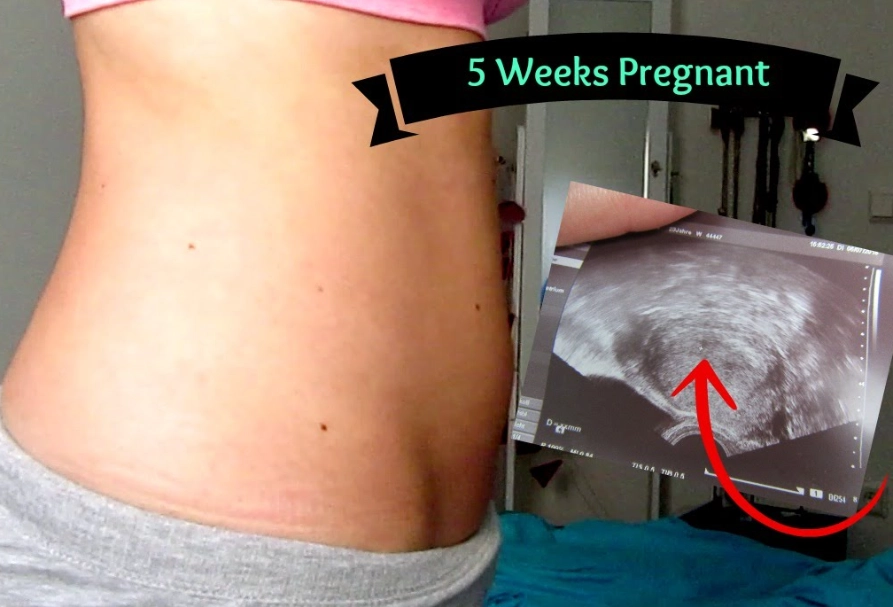
The short, honest answer? For most, it's not one dramatic feeling but a collection of subtle, often confusing signals. It can range from feeling absolutely nothing (perfectly normal!) to experiencing a mix of pulling, poking, bloating, and general weirdness that makes you think, "What on earth is going on in there?"
The Early Pregnancy Stomach Sensation Catalog: What You Might Actually Feel
Forget the textbook jargon for a second. Here’s how women often describe those first inklings in their own words. Think of this as translating internal body signals into plain English.
The "Something's Different" Pulls and Pokes
This is the core of the early pregnancy stomach feeling. It's not pain, not usually. It's more of an awareness.
- The Side Tug: A mild, intermittent pulling or tugging sensation, often on one side (left or right) more than the other. This is frequently related to the corpus luteum, the little hormone factory that forms on the ovary after ovulation and supports the pregnancy until the placenta takes over. It can cause a dull, one-sided awareness.
- The Middle Stretch: A feeling like the very low center of your abdomen, right above your pubic bone, is being gently stretched or is slightly tender to pressure. This is your uterus beginning its monumental, but initially tiny, expansion. Ligaments (like the round ligaments) are starting to get the memo that they need to accommodate growth, and they can send little twinges.
- The Random Poke: A quick, sharp-ish poke that lasts a second and then vanishes. It can make you jump. It's often just gas deciding to move in a new direction, a muscle spasm, or a nerve firing off as things shift internally.

The Bloat and Bubble Brigade
Oh, the bloat. This one is a huge contender for the top spot when answering what does early pregnancy feel like in your stomach. It's not just feeling full. It's feeling like you've been inflated with a slow pump.
The hormone progesterone is the main culprit here. It's essential for maintaining the pregnancy, but one of its side effects is to relax smooth muscle tissue throughout your body. This includes your digestive tract. Everything slows down. Food moves more sluggishly, gas builds up more easily, and you can feel perpetually puffy and uncomfortable, often before you've even missed a period. It can feel tight, firm, and make your clothes fit differently by afternoon.
Along with the bloat comes the gas. Not to be indelicate, but it's real. You might feel bubbles, rumbles, and movements that are purely digestive in nature but feel more pronounced because everything is more... sensitive.
Cramps That Aren't Your Period
This freaks a lot of people out. Mild cramping is incredibly common in early pregnancy and can feel almost identical to menstrual cramps. The difference is often in the pattern and intensity.
- Implantation Cramping: If it happens, it's usually around the time your period is due (or a few days before). It's typically very mild, dull, and short-lived (a few hours to a day or two). It's not a universal experience.
- General Uterine Cramping: As the uterus begins to grow and blood flow increases dramatically, it can cause a persistent, low-level ache or intermittent mild cramps. They often come and go and don't intensify like period cramps typically do.
A crucial distinction: Pregnancy cramps are usually milder than your typical period cramps and don't progressively worsen. They might be accompanied by other early signs (like breast tenderness, fatigue) but not by menstrual bleeding. Any cramping paired with bright red bleeding and resembling a strong period should be evaluated by a healthcare provider.
The "Nothing" Feeling (And Why That's Okay)
Here's a truth that doesn't get aired enough: you might feel nothing. No pulls, no pokes, no bloat, no cramps. Just... your normal stomach. And that can be incredibly anxiety-inducing when you're reading lists of symptoms you "should" be having.
Let me be clear: Feeling no specific stomach sensations in early pregnancy is completely normal. Every body and every pregnancy is different. Some women are hyper-sensitive to hormonal shifts; others aren't. The absence of feeling doesn't mean anything is wrong. In fact, many women with perfectly healthy pregnancies only start to feel anything notable in their abdomen well into the second trimester when the baby starts making bigger movements.
Early Pregnancy vs. PMS: The Stomach Feeling Showdown
This is the million-dollar question, right? The symptoms overlap so much it can feel like a cruel joke. Let's break down the subtle differences, focusing on the stomach.
| Sensation | Early Pregnancy Feel | Typical PMS Feel |
|---|---|---|
| Bloating | Often more persistent, can start before missed period and linger. Feels more "internal" and constant. | Usually arrives in the days just before your period and resolves once flow starts. |
| Cramping | Mild, intermittent, dull aches or tugs. Often low and central. Doesn't escalate. | Can range from mild to severe, often has a predictable build-up and release pattern over days. |
| Breast Tenderness | Extreme sensitivity, heaviness, tingling. Areolas may darken/change. Can be an early sign before missed period. | Swelling, tenderness, and ache that usually subsides once period begins. |
| Fatigue | Overwhelming, can feel like hitting a wall. Often one of the first signs. | Can feel tired and sluggish, but usually not as profound or sudden. |
| Food Aversions/Cravings | Can be strong and specific, sometimes to formerly loved foods. Smells may become overpowering. | May crave sweets or salty foods, but usually less intense and not paired with strong aversions. |
The real trick? Looking at the combination and the timeline. PMS symptoms reliably end with your period. If your period is late and these feelings (especially fatigue, breast changes, and that persistent bloat) are sticking around or even intensifying, that's a stronger clue.
My personal litmus test: With PMS, I'd feel crappy and bloated, but it had a predictable end point. In early pregnancy, the fatigue was on another level—I could nap on a concrete floor—and the bloat just... stayed. It was a different quality of "off."
When a Stomach Feeling Isn't Just a "Feeling": Warning Signs
While most early pregnancy stomach sensations are harmless, it's vital to know the red flags. Trust your gut—if something feels wrong, it's always worth checking in.
Contact your doctor or midwife promptly if you experience:
- Severe, persistent pain on one side of your lower abdomen, especially if it's sharp and doesn't let up. This could be a sign of an ectopic pregnancy, which is a medical emergency. The American College of Obstetricians and Gynecologists (ACOG) provides clear guidance on this risk, which you can read about on their patient education page.
- Cramping that is severe, rhythmic, and intensifies, similar to or worse than bad period cramps.
- Pain accompanied by significant bleeding (soaking a pad in an hour, passing clots). Some light spotting can be normal, but heavy bleeding with pain is not.
- Pain in your shoulder tip. This can be a referred pain sign associated with a ruptured ectopic pregnancy and requires immediate medical attention.
- Severe, constant abdominal pain with or without bleeding, fever, or chills.
Look, I know it's scary to read lists like this. The goal isn't to panic you. The vast majority of early pregnancy journeys involve only the weird, harmless twinges we talked about first. But knowing the difference empowers you to seek help if you ever need it. Your peace of mind is part of prenatal care too.
Your Questions, Answered: The Early Pregnancy Stomach FAQ
Is the feeling constant?
Rarely. It's usually intermittent. You might feel a few tugs while walking, then nothing for hours. The bloating can be more constant, but even that tends to ebb and flow. The randomness is actually a good sign—it's usually just your body adjusting, not a sustained problem.
When do these feelings usually start?
It varies wildly. Some notice implantation-related sensations around 6-12 days after conception. For many, the more noticeable bloating and mild cramps begin around the time of the missed period (week 4-5 of pregnancy). Others don't feel a thing for weeks. There's no "right" schedule.
Can you feel flutters that early?
This is a big one. What women often interpret as "baby flutters" in the first trimester (like weeks 6-10) is almost always something else—gas, muscle twitches, intestinal movement. The baby is far too small, and the uterus is still tucked behind the pubic bone. True fetal movements ("quickening") are generally not felt until between 16 and 25 weeks, most commonly around 18-20 weeks for first-time moms. So if you feel pops or flutters at 8 weeks, it's lovely, but it's likely your digestive system having a moment.
How can I ease the uncomfortable bloating and gas?
Since meds are limited, lifestyle tweaks are key:
- Eat smaller, more frequent meals. Don't let your stomach get too empty or too full.
- Walk. Gentle movement after eating can help move gas through.
- Drink plenty of water. It seems counterintuitive, but it helps prevent constipation which worsens bloat.
- Identify trigger foods. Common culprits are broccoli, beans, cabbage, fried foods, and carbonated drinks. But your triggers might be different.
- Try peppermint or ginger tea (both are generally considered safe in moderation during pregnancy and can soothe digestion).
Is it normal for the feeling to come and go?
Absolutely. In fact, it's more common than a constant feeling. One day you might feel very aware of your lower abdomen, the next day you might feel completely normal. This doesn't mean the pregnancy has stopped. Early pregnancy symptoms are notoriously fickle, fluctuating with hormone levels, your activity, stress, and hydration. The Mayo Clinic's overview on pregnancy symptoms notes how common this variability is.
The Mind-Gut Connection: Anxiety and Those "Feelings"
We have to talk about this. When you're anxiously waiting for a test or have just gotten a positive, your brain goes into overdrive. Every single normal gurgle, muscle ache from yesterday's workout, or twinge from needing to use the bathroom can be magnified tenfold and interpreted as a pregnancy sign—or a sign of disaster.
This hyper-vigilance is normal but exhausting. It can literally make you feel more sensations because you're focusing all your attention there. Try to remember that your body has been making these noises and feelings your whole life; you're just listening to them on a new, high-definition channel now.
A strategy that helped me: I'd acknowledge the feeling ("Okay, there's a twinge on the left side"), remind myself of the likely benign cause ("That's probably just my ovary or a gas bubble"), and then consciously redirect my attention for 15 minutes—read a book, watch a show, call a friend. Most of the time, the sensation would be gone when I checked back in. If it was still there but unchanged, I could reassure myself it was just one of those normal early pregnancy stomach feelings.
The Bottom Line on Your Belly in Early Pregnancy
So, what does early pregnancy feel like in your stomach? The honest answer is: it depends. It can feel like a subtle, internal stretching. It can feel like you're permanently stuffed after a big meal. It can feel like gentle, period-like cramps that don't arrive on schedule. Or, it can feel like absolutely nothing remarkable at all.
All of these experiences fall within the wide range of normal. The key takeaway is that mild, intermittent sensations are usually just signs of your body doing the incredible work of building a new life. Severe, persistent, or worsening pain, especially with bleeding, is your cue to seek medical advice.
Navigating the uncertainty of early pregnancy is tough. Your stomach becomes a source of both wonder and worry. Listen to it, but try not to obsess over every murmur. When in doubt about a sensation, your healthcare provider is there to help you distinguish the normal weirdness from something that needs attention. For more reliable, in-depth information on all aspects of early pregnancy health, resources like the March of Dimes pregnancy topics pages are an excellent place to continue your research.
Breathe. You've got this.
Reader Comments