The third trimester, those final weeks from 28 to 40 (or beyond!), is a marathon of physical change. Your body isn't just hosting a baby anymore; it's in full-scale rehearsal for birth. The symptoms you experience now are more intense, more persistent, and frankly, can be more alarming if you don't know what to expect. I've spent over a decade as a doula, and the most common call I get starts with, "Is this normal?" Let's cut through the noise. This isn't just a list of symptoms—it's a roadmap for navigating them, knowing when to push through, and crucially, when to pick up the phone.
What You'll Find in This Guide
The Common (And Annoying) Third Trimester Lineup
Let's be real. Some of this stuff is just plain uncomfortable. But understanding the "why" behind it can make it feel less like your body is betraying you and more like it's doing exactly what it's supposed to.
1. The Aches and Pains Department
Back Pain & Pelvic Girdle Pain (PGP): This isn't your average backache. As your uterus expands and your center of gravity shifts, your lower back takes a beating. PGP is different—it's a deep, sometimes shooting pain in your pubic bone, hips, or inner thighs, often making it feel like your pelvis might crack when you walk or turn in bed. I see women trying to "power through" this, but modifying movement (think: rolling instead of twisting) is key.
Braxton Hicks Contractions: These "practice" contractions can start early but often ramp up now. They're usually irregular, don't get progressively stronger, and fade with movement or hydration. The mistake? People panic when they get a bunch in a row. If changing activity (walk, lie down, hydrate) makes them stop, it's likely Braxton Hicks.
2. The "Is This Normal?" Department
Swelling (Edema): Swollen ankles and feet are par for the course, thanks to increased blood volume and pressure from your growing uterus. The key differentiator? Sudden swelling in your face and hands, especially with a headache, could signal preeclampsia. Do the "thumb test": press your thumb into your swollen shin. If the indentation lingers for more than a second or two (pitting edema), mention it to your provider.
Shortness of Breath: Your baby is crowding your diaphragm. It feels like you can't get a full breath. This usually eases a bit when the baby "drops" (engages in your pelvis) later on. Pro tip: Sleep propped up with extra pillows. It helps more than you'd think.
3. The Digestive & Sleep Circus
Heartburn & Indigestion: That valve at the top of your stomach is relaxed from hormones, and your giant uterus is pushing everything upward. Small, frequent meals are better than three large ones. Avoid lying down right after eating. I've had clients swear by a tablespoon of plain yogurt when a flare-up hits.
Insomnia: You're exhausted but can't sleep. It's a cruel joke. Beyond the physical discomfort, your brain is in overdrive. This is where creating a real wind-down ritual matters—no screens, maybe a warm bath (not too hot!), and focusing on rest even if sleep is elusive.
| Symptom | Why It Happens | Quick Relief Tip |
|---|---|---|
| Round Ligament Pain | Stretching of ligaments supporting uterus | Bend toward the pain when it strikes; avoid sudden movements |
| Frequent Urination | Baby's head pressing on bladder | Lean forward when you pee to empty bladder more completely |
| Leg Cramps | Fatigue, pressure, possibly mineral imbalance | Flex foot upward (toes toward shin) immediately; stretch calves daily |
| Lightning Crotch | Baby's head pressing on cervical nerves | Change position; it's sharp but brief |
Red Flags: Symptoms That Demand Immediate Attention
This is the part you need to bookmark. While most symptoms are just inconvenient, some are urgent. Don't fall into the trap of not wanting to "bother" your doctor. It's their job.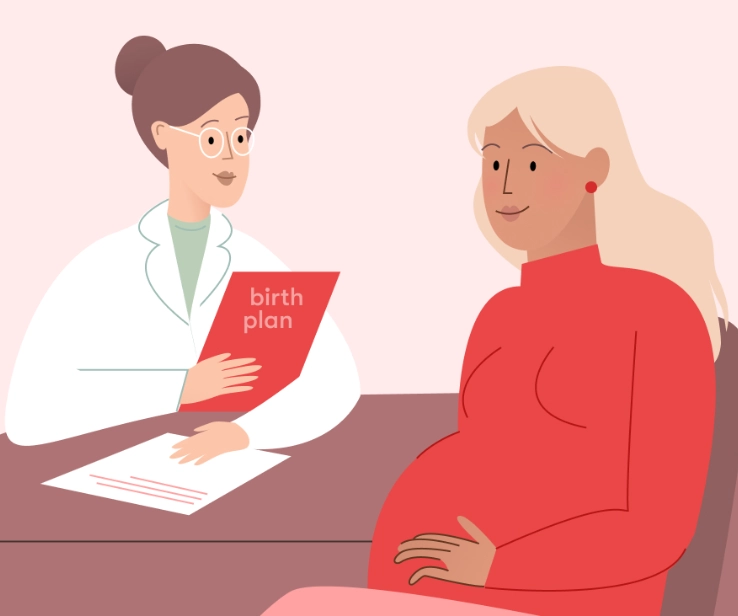
Call your provider or go to Labor & Delivery immediately if you experience:
- Severe abdominal pain that doesn't go away.
- Vaginal bleeding (more than light spotting).
- A sudden gush or constant trickle of fluid (your water breaking).
- Severe headaches, vision changes (seeing spots, blurriness), or upper abdominal pain (especially under your ribs on the right side). This trio can indicate preeclampsia.
- Decreased fetal movement. Your baby's pattern is what matters. If it's noticeably less active, do a kick count. If you don't get 10 movements in 2 hours, call.
- Contractions that are regular and getting stronger before 37 weeks (sign of preterm labor).
A specific note on itching: Intense, generalized itching, particularly on your palms and soles, is not just dry skin. It can be a sign of Intrahepatic Cholestasis of Pregnancy (ICP), a liver condition that needs monitoring. Mention it.
Real-World Coping Strategies That Actually Work
Generic advice like "get more rest" is useless. Here are tactical moves from the front lines.
For Back/Pelvic Pain: A support belt can be a game-changer for out-and-about relief. In the pool, the water supports your weight and allows for gentle movement that feels amazing. See a prenatal physical therapist if you can; they can give you specific stabilizing exercises.
For Swelling: Elevate your feet above your heart for 20 minutes, 2-3 times a day. Drink water—it sounds counterintuitive, but dehydration can make your body retain more fluid. Avoid standing for long periods.
For Sleep: Create a pillow fortress. A pillow between your knees, one under your belly, and one behind your back can align your spine and take pressure off. If you wake up to pee, keep the lights off. Use a nightlight. Your goal is to tell your brain it's still sleep time.
My Non-Negotiable Tip: Start doing perineal massage around 34 weeks. The evidence is solid (the Cochrane Collaboration reviews it favorably) that it can reduce the likelihood of tearing and the need for an episiotomy for first-time moms. It's awkward, but so worth it. Use a natural oil and be consistent, just a few minutes most days.
The Final Countdown: Distinguishing Early Labor Signs
As you near your due date, every twinge feels significant. Here's how to read the signals.
Lightening or Engagement: The baby "drops" into your pelvis. You might breathe easier but feel increased pelvic pressure, waddle more, and need to pee even more frequently. This can happen weeks or hours before labor.
Loss of Mucus Plug: This gelatinous plug seals your cervix. Losing it can be a sign your cervix is ripening. It might be tinged with blood ("bloody show"). Labor could be hours, days, or even weeks away. Don't rush to the hospital just for this.
The Real Deal vs. False Labor: This is the big question.
- Real contractions have a pattern. They get longer, stronger, and closer together over time. They continue and intensify regardless of what you do—walking, resting, hydrating.
- False labor (Braxton Hicks) is irregular. Changing activity usually makes them stop or slow down. They're often felt only in the front of your belly.
A rule I give my clients: If you have to stop and focus on breathing through a contraction, if you can't talk through it, and if they're coming at regular intervals (time them!), you're likely in early labor. For first-time moms, you often have time to labor at home for a while. When in doubt? Call.
Your Top Third Trimester Questions Answered
Swelling in your feet and ankles is common, especially at the end of the day. The red flags are swelling that appears suddenly, is severe, or affects your face and hands. Do the "thumb test." Press your thumb firmly into the swollen area on your shin for 5 seconds. If the indentation (pit) remains for several seconds after you remove your thumb, that's "pitting edema" and you should let your provider know, even without other symptoms. Combined with a headache or vision changes? Call immediately.
The classic advice is about timing, but the real test is in how they respond to you. Try changing your activity. Drink a big glass of water, lie down on your left side, or take a warm shower. If the contractions fizzle out, they were likely Braxton Hicks. Real labor contractions will persist and become more regular no matter what you do. Also, feel the location. Braxton Hicks are often just in the front. Real contractions often start as a low backache that wraps around to the front in a tightening wave.
Absolutely, especially after the baby "drops." It can feel like the baby is going to fall out, and walking can feel awkward. This pressure is often constant. However, a rhythmic, cramping pressure that comes and goes in waves is different—that's likely a contraction and your cervix changing. If the pressure is so intense it's painful to walk or is paired with any fluid leakage, it's time to call your healthcare team.
Severe itching, hands down. Many women and even some providers dismiss intense itching as dry skin or a reaction to laundry detergent. But generalized, severe itching, particularly on the palms and soles of your feet, can be the main symptom of Intrahepatic Cholestasis of Pregnancy (ICP), a liver condition that needs monitoring because it carries risks for the baby. Don't just load up on lotion. Mention any unusual, persistent itching to your doctor or midwife. A simple blood test can check your bile acid levels.
The third trimester is a grind. It's physically demanding and emotionally draining. But every symptom, every ache, is a sign that you and your baby are getting closer to meeting. Listen to your body, trust your instincts, and never hesitate to reach out to your care team with a question. You've got this.
Reader Comments