In This Guide
Let's be real. Finding out you're pregnant is thrilling, terrifying, and overwhelming all at once. Your mind immediately races with questions, and one of the biggest is: what not to do when pregnant in the 1st trimester? Suddenly, every sip of coffee, every sushi roll, and every over-the-counter pill feels like a potential landmine.
I remember that feeling well. You're bombarded with advice from everyone—your mom, your friends, random people on the internet—and half of it contradicts the other half. It's enough to make anyone anxious. The first trimester, those crucial first 13 weeks, is when your baby's major organs and structures are forming. It's a period of rapid, delicate development. Knowing what to avoid isn't about fear-mongering; it's about empowering yourself with clear, actionable information to give your little one the healthiest possible start.
This guide cuts through the noise. We're going to talk about the real, evidence-based first trimester don'ts, from the obvious to the often-overlooked. We'll cover food, drinks, habits, medications, and even some lifestyle factors you might not have considered. My goal here isn't to lecture you, but to walk you through this, like a friend who's been there, sorting the essential from the exaggerated.
A quick but critical note before we dive in: This article is for informational purposes. Your single most important resource is your healthcare provider. Every pregnancy is unique. Always, always discuss your personal health, habits, and any concerns with your doctor or midwife. They know you and your specific situation best.
The Absolute Must-Avoids: The Non-Negotiables
These are the big ones. The areas where the medical consensus is strong and clear. Getting these right forms the foundation of a safe first trimester.
Foods and Drinks to Steer Clear Of
This is where most of the panic sets in. The list can seem long, but the logic behind it is simple: avoid anything that could harbor harmful bacteria, parasites, or toxins that your immune system is slightly more vulnerable to now, and that could harm the baby.
- Alcohol: This is the big one. There is no known safe amount of alcohol during pregnancy. Zero. Zip. Nada. Fetal Alcohol Spectrum Disorders (FASDs) are a serious risk, and exposure in the first trimester can interfere with organ development. It's just not worth the gamble. If you had a drink before you knew you were pregnant, try not to panic—just stop once you know.
- High-Mercury Fish: Mercury is a neurotoxin that can affect a baby's developing brain and nervous system. Say no to swordfish, king mackerel, shark, and tilefish. You can still eat many other types! The U.S. Food and Drug Administration (FDA) has excellent charts on which fish are best choices (like salmon, shrimp, pollock) and good choices.
- Raw or Undercooked Stuff: This means sushi with raw fish (cooked sushi like eel or tempura is okay), rare steak, raw oysters/clams, and unpasteurized juices or cider. The risk is primarily listeria and toxoplasma, which can cause severe complications. Ensure all meat, poultry, and eggs are cooked through.
- Unpasteurized Dairy and Cheeses: Skip the soft cheeses like feta, brie, camembert, blue-veined cheeses, and queso fresco unless the label clearly says "made with pasteurized milk." Listeria loves these environments.
- Excessive Caffeine: This one is about moderation, not total elimination. Most experts, including the American College of Obstetricians and Gynecologists (ACOG), agree that less than 200 milligrams per day is safe. That's roughly one 12-ounce cup of coffee. But remember, caffeine is also in tea, soda, and chocolate. High intake has been linked to an increased risk of miscarriage.
Medications and Substances
This is a minefield where you should never self-navigate.
Over-the-Counter (OTC) Meds: Ibuprofen (Advil, Motrin) and naproxen are generally not recommended, especially later in the first trimester. Aspirin should be avoided unless specifically prescribed by your doctor for a condition like preeclampsia. For pain and fever, acetaminophen (Tylenol) is usually considered the safest option, but even then, use the lowest effective dose for the shortest time. Always check with your provider first.
Prescription Medications: Do NOT stop taking any prescription medication without talking to the doctor who prescribed it AND your OB/GYN. Suddenly stopping antidepressants, anti-seizure meds, or other crucial drugs can be more dangerous than the medication itself. They will work with you to assess the risks and benefits and find the safest solution.
Recreational Drugs & Smoking: This should go without saying, but it's vital. Smoking (and secondhand smoke) restricts oxygen to the baby and is linked to miscarriage, preterm birth, and low birth weight. Marijuana, despite its legal status in some areas, is not proven safe. Other illicit drugs pose severe, direct risks to fetal development.
The Lifestyle and Activity Adjustments
This is where it gets more nuanced. It's not just about what you put in your body, but what you do with it.
Physical Activities and Heat
Exercise is fantastic during pregnancy! It boosts mood, helps with sleep, and prepares your body for labor. But the first trimester calls for some smart modifications.
- Contact Sports & High Fall-Risk Activities: Now is not the time for soccer, basketball, hockey, or downhill skiing. The risk of a direct blow to the abdomen or a hard fall is too great. Same goes for horseback riding and intense gymnastics.
- Overheating: Your core temperature shouldn't rise too high. Avoid hot tubs, saunas, and very hot baths (a warm bath is fine). When exercising, don't push yourself to exhaustion. Stay hydrated and exercise in a cool environment.
- Heavy Lifting: If your job or routine involves repetitive heavy lifting, you need to discuss this with your doctor. There's a potential risk of strain or injury that could complicate your pregnancy.
So, what CAN you do? Walking, swimming, prenatal yoga, and modified strength training are all excellent choices. Listen to your body—if something feels wrong, stop.
Environmental and Household Hazards
These are the sneaky ones you might not think about.
Quick Tip: If a smell is strong enough to make you dizzy or nauseous (hello, first trimester super-smell!), it's a good sign you should avoid it or ensure excellent ventilation.
Cleaning Products & Chemicals: Wear gloves and open windows. Avoid harsh oven cleaners and aerosol sprays if you can. Consider switching to more natural cleaners like vinegar and baking soda for everyday tasks.
Cat Litter Duty: This is a specific one. Cat feces can carry toxoplasmosis. If you must change the litter, wear disposable gloves and wash your hands thoroughly immediately after. Better yet, hand this chore off to someone else for the next nine months.
Certain Hobbies: Painting with solvent-based paints, heavy gardening without gloves (toxoplasma is also in soil), and some crafting materials might pose risks. It's about smart precautions, not necessarily quitting altogether.
The Less Obvious (But Still Important) Don'ts
Beyond the physical, there are mental and emotional habits to be mindful of. Figuring out what not to do when pregnant in the 1st trimester isn't just a physical checklist.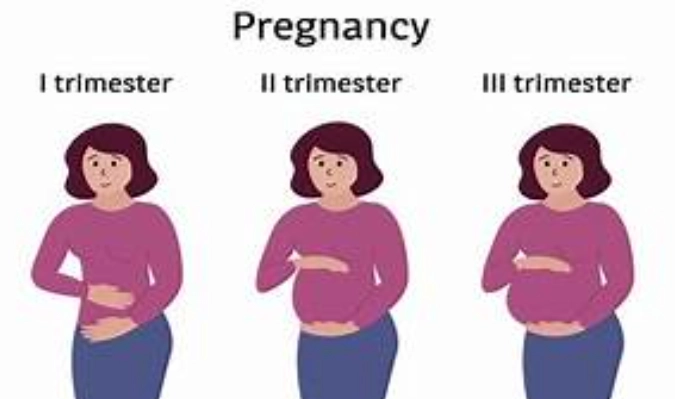
Information and Stress
Don't Google Every Twinge and Ache. I know, it's impossible advice. But the internet is a bottomless pit of worst-case scenarios. Mild cramping, spotting (though always report this to your doctor), fatigue, and food aversions are all normal. Constantly seeking reassurance online often leads to more anxiety. Pick one or two trusted sources (like the CDC's pregnancy pages or your healthcare provider's portal) and stick to them.
Don't Ignore Your Mental Health. Pregnancy can be emotionally turbulent. If you're feeling persistently sad, overly anxious, or disconnected, talk to your provider. Perinatal depression and anxiety are real and treatable. Taking care of your mind is taking care of your baby.
Don't Compare Your Pregnancy. Your friend who ran marathons and glowed the whole time? That's her story. Your pregnancy is yours. Some people are nauseous all day, some have boundless energy. Neither is a reflection of your strength or the health of your baby.
Nutritional Pitfalls
It's not just about avoiding bad foods, but ensuring you get the good stuff.
Don't Skip Your Prenatal Vitamin. This is non-negotiable. Folic acid (especially crucial in the first few weeks for preventing neural tube defects), iron, calcium, and DHA are all vital. If the pills make you nauseous, try taking them at night with a snack, or ask your doctor about gummy or other formulations.
Don't "Eat for Two" in Terms of Calories. In the first trimester, you don't need any extra calories. Focus on quality, not quantity. The old adage is a fast track to excessive weight gain, which comes with its own set of risks.
Don't Force Yourself to Eat "Perfectly" if You Have Severe Nausea. Sometimes, survival is the name of the game. If all you can keep down for a few days is crackers and ginger ale, that's okay. Do your best, take your vitamin, and stay hydrated. It will usually pass.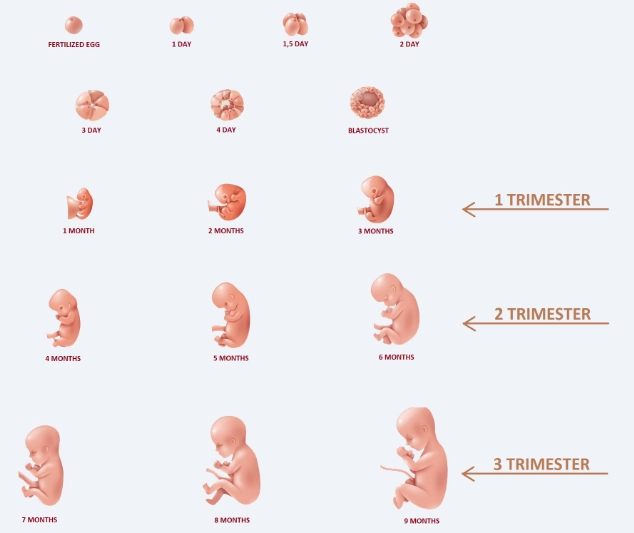
Putting It All Together: A Quick-Reference Table
Here’s a visual summary to pin on your fridge or save on your phone. It covers the core of what to avoid when pregnant in the first trimester.
| Category | What to Avoid / Limit | Why & Safer Alternative |
|---|---|---|
| Food & Drink | Alcohol (any amount), High-mercury fish, Raw/undercooked meat/fish/eggs, Unpasteurized dairy/cheese, >200mg caffeine/day | Prevents fetal toxicity, neural damage, and bacterial infections (listeria, toxoplasma). Opt for cooked foods, pasteurized products, and low-mercury fish like salmon. |
| Medication | NSAIDs (ibuprofen, naproxen), Aspirin (unless prescribed), Herbal supplements, Stopping Rx meds without doctor's advice | Some can affect fetal development or increase bleeding risk. Always consult your doctor for pain relief and review all meds/supplements. |
| Activities | Contact sports, Activities with high fall risk, Hot tubs/saunas, Heavy repetitive lifting, Changing cat litter | Prevents abdominal trauma, overheating (teratogenic risk), and exposure to toxoplasmosis. Choose walking, swimming, prenatal yoga. |
| Lifestyle | Smoking & secondhand smoke, Recreational drugs, Toxic chemicals/strong fumes, Excessive stress, "Dr. Google" diagnosis | Protects against preterm birth, low birth weight, and toxins. Prioritize ventilation, delegate chores, and use trusted info sources. |
Answering Your Burning Questions
The Bottom Line: A Balanced Approach
Learning what not to do when pregnant in the 1st trimester can feel restrictive, but try to flip the script. See it as a form of active, powerful care. You are creating a safe environment for your baby to grow.
The core principle isn't about living in a bubble of fear. It's about informed, mindful choices. It's about minimizing known, significant risks so you can focus on the positives—resting when you're exhausted, eating what you can and what nourishes you, and connecting with the little life you're building.
You will make mistakes. You will accidentally eat a piece of unpasteurized cheese at a party or forget and lift something a bit too heavy. That's okay. One misstep is not a catastrophe. Pregnancy is a marathon, not a sprint. Be kind to yourself, trust the resilience of your body and your baby, and keep the lines of communication with your healthcare team wide open.
Final Thought: Your intuition matters. If something feels off—a severe pain, heavy bleeding, a drastic change in symptoms—don't talk yourself out of calling your doctor because you're "probably overreacting." It's always better to get checked. You've got this.
Reader Comments