The final stretch of pregnancy. It's a mix of eager anticipation and pure physical exhaustion. Your body is doing something monumental, and the third trimester is where it all comes to a head. Staying healthy now isn't about perfection; it's about smart, sustainable choices that support you and your baby through these last crucial weeks. Forget the fluffy advice. Let's talk about what actually works.
What’s Inside This Guide
Nutrition Matters More Than Ever
You're not just eating for two; you're building a brain, bones, and a whole nervous system. Calorie needs only increase by about 300-500 per day in the third trimester, according to the American College of Obstetricians and Gynecologists. The focus should be on quality, not quantity.
Here’s where most advice falls short: it tells you to eat healthy but doesn't address the reality of heartburn and a squished stomach. You can't eat big meals anymore.
Key Nutrients You Can't Ignore
Protein: Critical for your baby's final growth spurt and your own tissue repair. Aim for 75-100 grams daily. Think: chicken, fish, eggs, Greek yogurt, lentils, tofu. A common mistake? Relying only on dinner for your protein. Spread it out.
Iron: Your blood volume has increased by almost 50%. Iron prevents anemia and fatigue. Pair iron-rich foods (lean red meat, spinach, fortified cereals) with vitamin C (bell peppers, orange juice) to boost absorption. Avoid having tea or coffee with these meals, as tannins block iron uptake.
Calcium & Vitamin D: Baby is taking what it needs from your bones. Protect your own reserves. Dairy, fortified plant milks, leafy greens. Don't forget the D—it helps absorption and supports immune function.
Fiber: Constipation is a third trimester hallmark. Prunes, oats, pears, chia seeds, and plenty of water are your best friends. I learned the hard way that ignoring this leads to serious discomfort.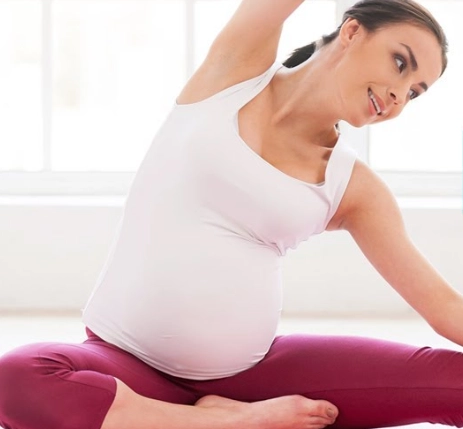
Moving Your Body Safely
The thought of exercise might seem laughable. But gentle movement reduces swelling, improves sleep, and can even ease back pain. The goal is maintenance, not personal bests.
Walking is the undisputed champion. It requires no equipment, and you can do it anywhere. 20-30 minutes most days. Listen to your pelvis—if you get a lot of pubic bone pain (SPD), shorter, more frequent walks are better.
Prenatal Yoga or Swimming: Both are fantastic for taking the weight off your joints and maintaining flexibility. Water supports your body in a way nothing else can. Look for classes specifically labeled "prenatal"; a regular yoga class might include poses unsafe for late pregnancy.
Sleep and Comfort Non-Negotiables
Sleep might feel like a distant memory. Between heartburn, leg cramps, and a bladder the size of a thimble, it's tough. But prioritizing rest is a health imperative.
Sleeping Position: After 28 weeks, research strongly recommends sleeping on your side, preferably the left side. This improves blood flow to your heart, uterus, and kidneys. The "back to sleep" campaign isn't just for babies. Sleeping on your back can put pressure on a major blood vessel (the vena cava).
How do you stay on your side all night? Pillows. So many pillows.
- One between your knees to align your hips.
- One behind your back to keep you propped.
- A wedge under your belly for support.
Or just invest in a good pregnancy pillow. It looks ridiculous but it works.
For heartburn, elevate the head of your bed with books or blocks. Eat your last small meal at least 2-3 hours before lying down.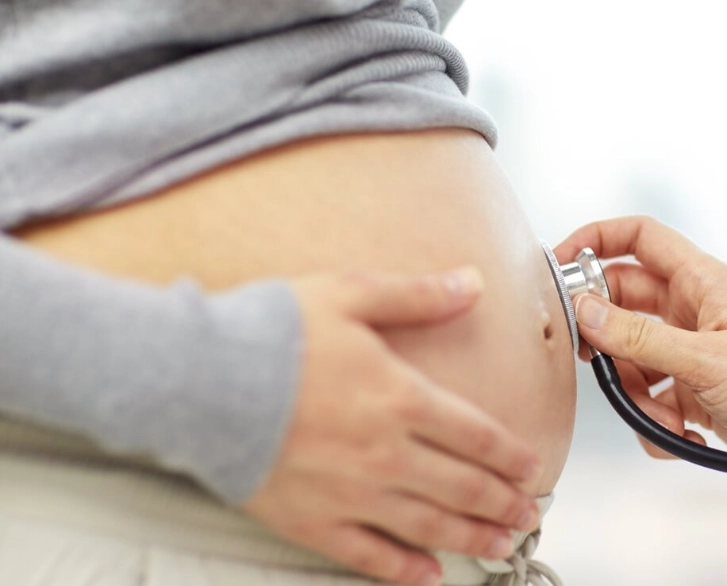
Getting Ready for D-Day
Health in the third trimester is also about preparation. Reducing last-minute stress is a genuine wellness strategy.
Your Hospital Bag: The Shortlist
Pack this by 36 weeks. Key items everyone forgets: a long phone charger, lip balm (hospitals are dry), non-skid socks, and snacks for your partner. For you, a going-home outfit that fits your still-pregnant belly (yes, you'll still look 6 months pregnant).
Know the Signs of Labor
It's not always the dramatic water break. Real labor contractions get longer, stronger, and closer together over time, and they don't stop if you change position or walk. "False" labor (Braxton Hicks) is irregular and often fades with movement.
Other signs: the "bloody show" (mucus plug), a sudden burst of energy (nesting), or diarrhea (your body clearing the way). Call your provider for guidance if your water breaks (a trickle or gush) or if contractions are 5 minutes apart for an hour.
Prenatal Visits: What to Expect
Visits ramp up to every week or two. They're quick but crucial.
| What They Check | Why It Matters |
|---|---|
| Blood Pressure & Urine | Screening for preeclampsia, a serious blood pressure disorder. |
| Fundal Height | Measuring your belly to track baby's growth rate. |
| Baby's Heartbeat | Assuring fetal well-being. |
| Baby's Position | Checking if baby is head-down (vertex) by 36 weeks. |
| Group B Strep Test (35-37 wks) | A simple swab. If positive, you'll need antibiotics during labor to protect the baby. |
Come with questions written down. This is your time.
Your Mental Load Matters Too
Anxiety is normal. But if it's constant and overwhelming, talk to someone—your partner, a friend, your doctor. Perinatal mood disorders are real and treatable.
Practice saying no. You don't need to host or attend every event. Delegate tasks. This is the time to conserve energy.
Connect with other expectant parents, online or in person. Knowing others are in the same boat is incredibly validating.
Quick Answers to Burning Questions
The third trimester is a marathon, not a sprint. Give yourself grace. Hydrate, move gently, eat wisely, rest when you can, and communicate with your care team. You're in the home stretch, building the incredible resilience you'll need as a parent. You've got this.
Reader Comments