The third trimester. It's the home stretch, but it can also feel like a marathon where the finish line keeps moving. Your body is doing incredible, intense work, and it's normal to wonder with every new twinge: is this a sign of a healthy pregnancy, or is something wrong? Let's cut through the noise. This isn't just a list of symptoms—it's a guide to understanding your body's language in these final weeks.
In This Article: Your Third Trimester Health Guide
Understanding Normal Third Trimester Symptoms
First, let's reframe "symptoms." Many of the sensations you feel aren't problems to be solved; they're evidence of adaptation. Your uterus is now the size of a watermelon, your blood volume has nearly doubled, and your ligaments are softening under the influence of relaxin. Things are going to feel... different.
A common mistake is to interpret all discomfort as a bad sign. It's not. The American College of Obstetricians and Gynecologists (ACOG) outlines many of these changes as standard. The goal isn't a symptom-free pregnancy—that's unrealistic. The goal is to recognize the pattern of a healthy, progressing pregnancy versus the pattern of a potential complication.
Think of it like training for a marathon. Aching muscles and fatigue are expected (even signs your training is working), but a sharp, stabbing knee pain is a red flag. We need to learn that difference.
Key Signs of a Healthy Third Trimester
These are the positive indicators that things are on track. If you're experiencing a mix of these, take it as a good sign.
1. Consistent Fetal Movement Patterns
This is the number one sign for most moms and providers. You know your baby's routine. Maybe they're active after meals, or they have a dance party when you lie down at night. The key word is consistent. The movement might change character—from sharp kicks to more rolls, pushes, and stretches as space gets tight—but the frequency shouldn't drop off a cliff.
My friend, a veteran labor and delivery nurse, always says, "Don't just count kicks, learn the rhythm." If your normally quiet morning baby suddenly goes wild, that's fine. If your wild evening baby goes quiet, that's your cue to pay attention.
2. Steady Weight Gain and Fundal Height Growth
You'll be weighed and measured at each appointment. Steady weight gain (about a pound a week in the third trimester for a woman with a normal pre-pregnancy BMI) indicates your baby is growing. Your healthcare provider will also measure your fundal height—the distance from your pubic bone to the top of your uterus. This should roughly correlate with your week of pregnancy (e.g., 32 cm at 32 weeks). Consistent growth here is a strong, visible sign of fetal development.
3. Braxton Hicks Contractions
Yes, these "practice" contractions are a healthy sign! Your uterus is toning its muscles for the big event. They usually feel like a sudden, painless tightening or hardening of your belly that lasts 15-30 seconds and then releases. They're irregular and don't increase in intensity. Feeling them more after activity or dehydration is normal. Their presence means your uterine muscle is responsive, which is what you want for labor.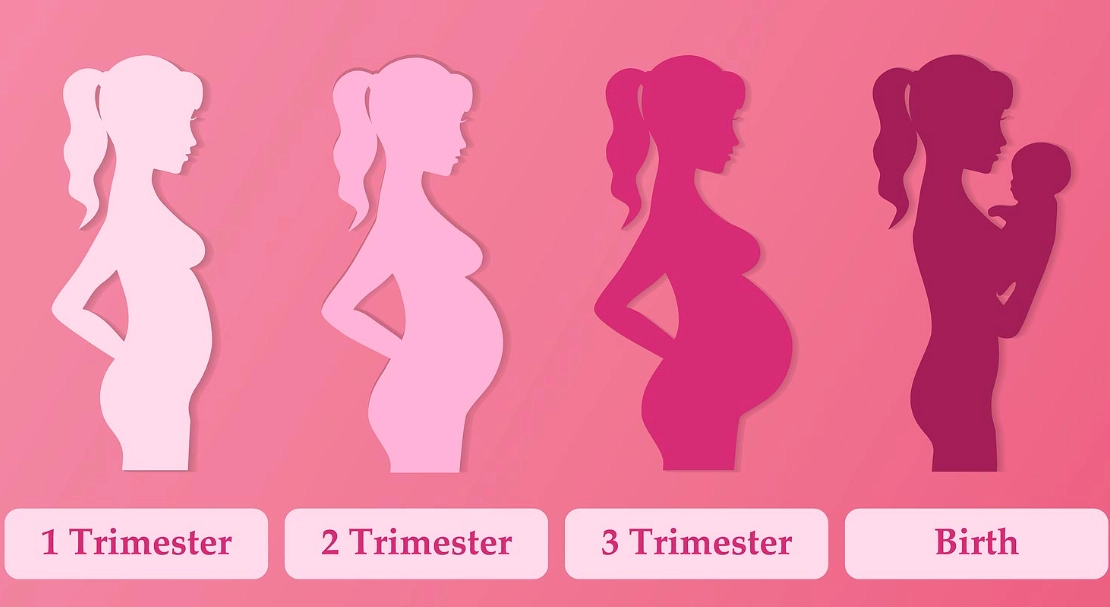
4. Increased Vaginal Discharge (Leukorrhea)
Thin, milky, mild-smelling discharge increases due to heightened blood flow to the vaginal area and rising estrogen. It's your body's way of preventing infections by maintaining a healthy pH balance. It can be surprisingly copious—enough to need a panty liner. This is normal and protective.
5. The Baby "Dropping" or Lightening
For first-time moms, this often happens a few weeks before labor. You might suddenly breathe easier (because the baby is off your diaphragm) but feel increased pressure on your bladder and pelvis. Walking might feel like you're waddling with a bowling ball between your legs. It's a clear sign your body is preparing for birth, though the timing varies wildly.
The "Lightning Crotch" Phenomenon
An indelicate but perfectly descriptive term for sharp, shooting pains in your cervix, vagina, or rectum. It's likely the baby's head (or another body part) bumping against sensitive nerves. It's brief, startling, and completely normal, if uncomfortable.
A Note on Fatigue: Extreme fatigue often returns in the third trimester. It's not a sign of weakness; it's a biological demand. Your body is channeling massive resources into final fetal development (especially brain growth) and preparing for labor. Sleeping 9-10 hours and still needing a nap isn't lazy—it's physiologically necessary.
Normal Symptoms vs. Red Flags: A Practical Guide
This is where confusion sets in. Let's break down common sensations and their potentially concerning counterparts.
| Symptom | Normal / Healthy Version | Red Flag Version (Call Your Provider) |
|---|---|---|
| Pelvic Pressure | Constant, heavy feeling after baby drops. Aching in pubic bone (SPD). | Rhythmic, intensifying pressure with a bearing-down sensation, especially if |
| Contractions | Braxton Hicks: irregular, don't get closer, ease with rest/water. | Regular pattern (e.g., every 10 min), increasing in strength/length, don't stop with movement/rest. Any contractions |
| Vaginal Discharge | Increased, thin, white/milky, mild odor. | Green/yellow, foul smell, itchy/burning (infection). Sudden gush/trickle of clear fluid (possible water breaking). |
| Swelling (Edema) | Mild in feet/ankles, worse at day's end, improves with elevation. | Sudden, severe swelling in hands/face. Accompanied by headache or vision changes (preeclampsia signs). |
| Backache | Dull, aching low back pain from shifted center of gravity. | Severe, persistent lower back pain, especially if rhythmic or accompanied by pelvic pressure (possible back labor). |
See the difference? It's often about pattern, progression, and associated symptoms. A backache alone is typical. A backache with a rhythmic cramping feeling and pinkish discharge is a different story.
When to Call Your Doctor or Midwife Immediately
Don't hesitate. Providers expect these calls. It's part of their job. Pick up the phone for:
Urgent Signs Requiring Immediate Contact
- Decreased Fetal Movement: This is non-negotiable. If your baby's movement pattern is noticeably less active, do the kick count. Lie on your left side and count movements. You should feel at least 10 distinct movements in 2 hours. If you don't, call right away. Don't wait until tomorrow.
- Vaginal Bleeding: Any bright red bleeding (more than light spotting) needs immediate evaluation. Spotting after a cervical check or intercourse can be normal, but always report it.
- Signs of Preeclampsia: Sudden, severe headache that won't go away. Vision changes (blurring, spots, light sensitivity). Sudden swelling in face/hands. Pain in your upper right abdomen (under ribs).
- Your Water Breaks: Whether it's a gush or a steady trickle of clear, watery fluid. Note the color and time.
- Regular Contractions Before 37 Weeks: Could be a sign of preterm labor.
- Severe Abdominal Pain that doesn't go away.
I learned this the hard way with my first. I had a blinding headache at 35 weeks and tried to sleep it off, thinking I was just tired. It was the beginning of preeclampsia. My midwife later said, "We'd rather have 100 false alarms than miss the one real emergency." Trust that instinct.
Your Third Trimester Questions, Answered
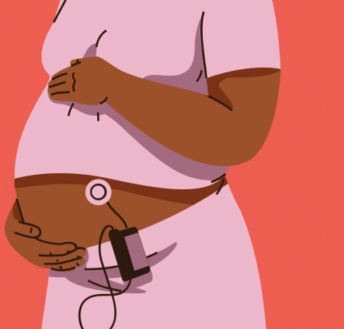
The final weeks are a mix of profound anticipation and physical challenge. Knowing these signs empowers you to participate in your care. You're not just a passenger. You're the expert on your body and your baby's patterns. Use that knowledge, communicate with your team, and trust that most of what you're feeling, as wild as it seems, is your body doing exactly what it's designed to do.
Reader Comments