If you're trying to conceive, the two-week wait can feel like an eternity. Every little twinge or change in your body gets scrutinized. You might be searching for those elusive positive signs of implantation, the moment a fertilized egg attaches to your uterine lining, marking the true biological start of a pregnancy.
Let's be clear upfront: implantation itself is a microscopic event. You can't feel the egg burrowing in. What you might notice are the side effects caused by the hormonal shifts and physical process happening in your body. The tricky part? These signs are subtle, easily confused with premenstrual symptoms (PMS), and frustratingly, not everyone experiences them.
I've been writing and consulting in fertility for over a decade, and the number one mistake I see is symptom spotting leading to heartbreak. So let's walk through what implantation signs actually look like, how to interpret them without driving yourself crazy, and the one thing that matters more than any symptom.
What to Expect in This Guide
The Implantation Process: A Quick Timeline
First, understanding when this happens helps set expectations. After ovulation, if an egg is fertilized, it begins a journey down the fallopian tube as a rapidly dividing cluster of cells (a blastocyst).
This journey takes about 6-10 days. So, implantation typically occurs between 6 and 12 days after ovulation, with day 8, 9, or 10 being the most common window. If you know the date of your ovulation (using OPKs or temping), you can pinpoint this window. If not, it's roughly about a week before your expected period.
Here’s a simple breakdown:
- Day 0: Ovulation.
- Days 1-5: Fertilization occurs in the tube, and the blastocyst travels.
- Days 6-10 (The Implantation Window): The blastocyst hatches from its shell and attaches to the uterine lining. This is when physical signs may appear.
- Day 11+: The embryo starts producing the pregnancy hormone hCG, which will eventually be detectable by a test.
The Implantation Window is Key
All the symptoms we talk about happen during or immediately after this 6-10 day post-ovulation window. If you feel something 2 days after ovulation, it's not implantation. It's likely something else.
My Personal Observation: In my years of tracking community forums and client charts, the most consistent reports of symptoms cluster around 8-10 days past ovulation (DPO). Seeing a potential sign at 7 DPO is possible but less frequent. Holding off on analyzing every little thing until at least 7 DPO can save a lot of mental energy.
Common Positive Signs of Implantation
These are the physical cues that might indicate implantation has occurred. Remember the keyword: might. Having none doesn't mean you're not pregnant. Having several doesn't guarantee you are. They're just clues.
1. Implantation Bleeding or Spotting
This is the most talked-about sign. As the blastocyst embeds itself into the rich uterine lining, it can disrupt small blood vessels, causing light bleeding.
- What it looks like: It's not a flow. It's light spotting. The color is often distinct—pink, light red, or even a rusty brown (which indicates older blood).
- How much: A few drops on toilet paper or enough to lightly stain a pantyliner. It shouldn't fill a pad or tampon.
- Duration: Very short. A few hours to a maximum of 2-3 days. It often starts and stops.
- Timing: Spot on for the implantation window, 6-12 days after ovulation.
According to the American College of Obstetricians and Gynecologists (ACOG), light spotting in early pregnancy is common, but they caution that it can also be unrelated. The key differentiator from a period is the light volume and short duration.
2. Implantation Cramping
These are mild cramps, not severe pain. They're often described as a pulling, tingling, or pricking sensation low in the abdomen. Some women feel it more on one side (depending on which ovary released the egg).
The cramping is usually intermittent and lasts 1-2 days. It should be milder than your typical menstrual cramps. If you're doubling over in pain, that's not a typical implantation sign and warrants a call to your doctor.
3. Changes in Cervical Mucus
After implantation, rising progesterone (and soon hCG) can cause a secondary surge in cervical mucus. You might notice a return of creamy or lotion-like discharge after it had dried up post-ovulation. Some women report a sticky, pasty consistency.
4. Secondary Symptoms: The Hormonal Ripple Effect
Once implantation is successful and hCG production begins, other early pregnancy symptoms can follow closely. These often blur the line between implantation and early pregnancy signs, but they can start remarkably early for some.
- Basal Body Temperature (BBT) Dip and Rise: A temporary dip in your waking temperature around the implantation window (often called an "implantation dip"), followed by a return to high temperatures. This is visible only if you're charting your BBT.
- Breast Tenderness: Not just fullness, but sensitive, sore breasts, often with tingling nipples. This can feel more intense than PMS breast pain for some.
- Fatigue: A sudden, profound tiredness that feels different from ordinary sleepiness. It's your body diverting massive resources to building the placenta.
- Mood Swings & Headaches: Thanks to hormonal fluctuations.
- Food Aversions or Sensitivities to Smell: An oddly specific one that many report very early on.
Implantation Symptoms vs. PMS: The Crucial Difference
This is where hope and confusion collide. Progesterone rises after ovulation whether you're pregnant or not, and it causes PMS-like symptoms. So how can you tell?
It's less about the type of symptom and more about its pattern, timing, and intensity.
| Symptom | Typical PMS | Possible Implantation/Early Pregnancy |
|---|---|---|
| Bleeding | Full menstrual flow, lasting 3-7 days, bright to dark red. | Light spotting only, 1-3 days, pink/brown in color. Occurs before period is due. |
| Cramping | Can be moderate to severe, often continuous leading up to flow. | Mild, intermittent, prickly/pulling feeling. Often stops before spotting does. |
| Breast Tenderness | General fullness and ache, often improves as period starts. | Can be more pronounced, with specific nipple sensitivity. Tenderness may persist or increase. |
| Fatigue | Common, but usually manageable. | Can be sudden and overwhelming, like a "wall of fatigue." |
| Mood Swings | Irritability, sadness, anxiety. | Can be more volatile, including unexpected euphoria or tearfulness. |
The most reliable differentiator? Your period arrives with PMS. With pregnancy, your period doesn't come, and symptoms may persist or intensify. But you have to wait to know that for sure.
The Golden Rule: When to Take a Pregnancy Test
This is the most important advice I can give: Do not rely on symptoms to confirm a pregnancy. Rely on a test.
Implantation must happen first, then the embryo starts producing hCG. It takes time for hCG levels to build up in your urine to be detectable.
- Earliest Possible Test: About 24-48 hours after implantation. If you implant on 8 DPO, you might get a very faint positive on 9 or 10 DPO.
- More Reliable Testing: 11-12 DPO and beyond. The chance of a false negative drops significantly.
- Best Practice: Wait until the day of your expected period, or better yet, a day or two after. Use a sensitive early detection test (look for ones that advertise detection at 10 mIU/mL) with first-morning urine, which is most concentrated.
Testing too early is the fastest route to disappointment, even if you are pregnant. That faint line you're squinting at might just be an evaporation line. Give your body time to produce enough hormone.
Common Misconceptions and Expert Insights
Let's clear up some confusion I see constantly.
"I had intense implantation pain on one side." While mild cramping can be one-sided, intense pain is not typical. Severe one-sided pain could signal an ectopic pregnancy, which is a medical emergency. Don't dismiss sharp pain as "just implantation."
"I had all the symptoms, but my test was negative, then I got my period." This is classic progesterone. Your body doesn't know if you're pregnant until implantation happens. It prepares for pregnancy every cycle, giving you "pregnancy-like" symptoms. A negative test at or after your missed period means those symptoms were PMS.
"I had no symptoms at all, so I was shocked by my positive test." This is incredibly common and completely normal. The absence of symptoms is not a negative sign. Many women feel nothing in the earliest days.
The bottom line from an expert perspective: View potential implantation signs as interesting biological data points, not as a diagnostic tool. They are hints, not answers.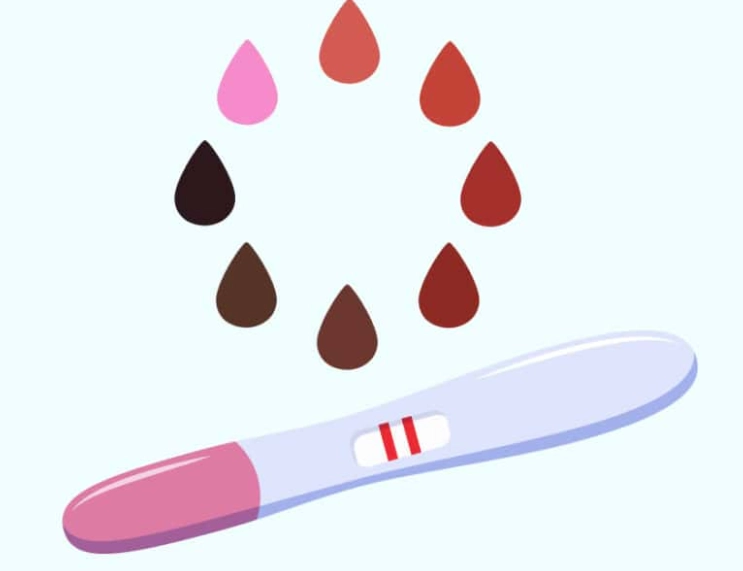
Your Implantation Questions, Answered
The journey of trying to conceive is filled with anticipation and analysis. While looking for positive signs of implantation is natural, anchor your hope in facts and timing, not just feelings. Track your cycle, know your window, test smartly, and remember that a huge number of perfectly healthy pregnancies begin with zero fanfare or noticeable symptoms.
Your body is doing remarkable work, whether you feel it or not.
Reader Comments