Let's be honest. When you see that positive test, a million thoughts race through your mind, and "What do I do now?" is usually at the top of the list. Having a healthy pregnancy isn't about perfection—it's about making a series of smart, informed choices that stack up over nine months to give you and your baby the best possible start.
I've been a prenatal educator for over a decade, and the most common regret I hear isn't about eating the wrong cheese; it's about not trusting their gut or not speaking up sooner. This guide cuts through the noise. We'll move beyond the basic "eat well, exercise" advice and dive into the actionable, trimester-by-trimester strategies that actually make a difference.
Your Healthy Pregnancy Roadmap
The Non-Negotiable Core Actions
Think of these as your pregnancy pillars. Get these right, and you're 80% of the way there.
Pro Tip from the Clinic:
Don't try to change everything at once. Pick one pillar to focus on each week. Master prenatal vitamins and appointments first, then tackle nutrition. Gradual change sticks.
1. Prenatal Care: Your Medical Team is Your Ally
This isn't just about checking boxes. Your first appointment should be a conversation. Come with questions—write them down. Ask about their approach to pain management, induction rates, or their thoughts on birth plans. It's okay to switch providers if the fit isn't right. According to the American College of Obstetricians and Gynecologists (ACOG), consistent prenatal care drastically reduces the risk of low birth weight and preterm delivery.
2. Prenatal Nutrition: It's About Addition, Not Just Subtraction
Everyone warns you about deli meat and soft cheese (and yes, avoid those due to listeria risk). But the bigger opportunity is what you add in. Your body needs more of specific nutrients.
| Nutrient | Why It's Crucial | Best Food Sources | Daily Goal (Approx.) |
|---|---|---|---|
| Folic Acid/Folate | Prevents neural tube defects (brain & spine) | Leafy greens, lentils, fortified cereals, avocado | 600 mcg (Prenatal vitamin + food) |
| Iron | Supports increased blood volume, prevents anemia | Lean red meat, spinach, beans, tofu | 27 mg |
| Calcium | Builds baby's bones & protects yours | Yogurt, milk, fortified plant milk, sardines | 1000 mg |
| Choline | Critical for brain development (often overlooked) | Eggs (the yolk!), chicken, salmon, broccoli | 450 mg |
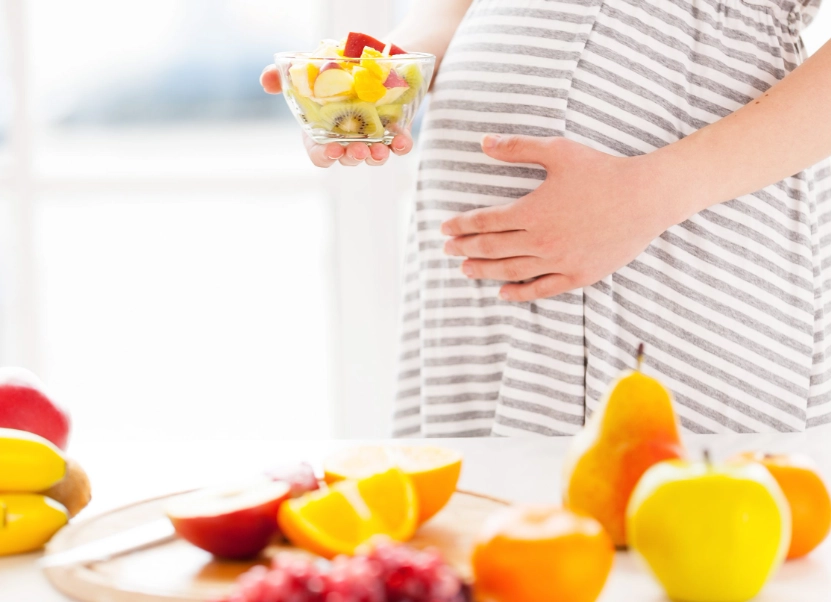
Aim for a plate that's half colorful vegetables and fruits, a quarter lean protein, and a quarter whole grains. Hydration is part of nutrition too—your blood volume increases by nearly 50%. Carry a water bottle.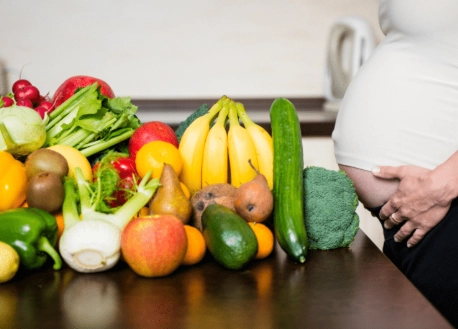
3. Smart Movement
If you were active before, you can usually continue, with modifications. If you're new to exercise, start slow. Walking is phenomenal. The goal is 150 minutes per week of moderate activity. Listen to your body—if something hurts, stop. Good options include swimming (blissful weightlessness), prenatal yoga (for strength and breathing), and stationary cycling.
First Trimester: The Foundation Phase (Weeks 1-13)
This is survival mode for many. Extreme fatigue and nausea are normal, not a sign of a weak pregnancy.
Your key focus here is rest and mitigation.
- Book Your Appointments: Get on the schedule. The first ultrasound and blood work are foundational.
- Manage Nausea: The "crackers by the bed" advice is real. Eat small, bland, high-protein meals every 1-2 hours. An empty stomach makes nausea worse. Sipping cold ginger tea or lemon water can help.
- Sleep: Give in to the fatigue. Your body is building a placenta, a monumental task. Nap when you can.
- Avoid Toxins: This means no alcohol, no smoking/vaping, and limiting caffeine to under 200mg (about one 12-oz coffee). Also, reassess household cleaning products and skip painting the nursery for now.

Second Trimester: The Energy & Planning Phase (Weeks 14-27)
Welcome back! For most, energy returns and nausea fades. This is the golden window to get things done before the third-trimester slowdown.
- Feel the Movement: You'll likely feel those first flutters ("quickening") between 16-22 weeks. Start tracking patterns later on.
- Plan Your Birth: Research childbirth classes, tour hospital/birth centers, and think about a birth plan (be flexible).
- Body Changes: Invest in supportive maternity clothes and a good body pillow. Start moisturizing your belly to cope with itching, though it won't prevent stretch marks (those are genetic).
- Anomaly Scan: The 20-week anatomy scan is a big one. It checks fetal development in detail.
Third Trimester: The Preparation & Patience Phase (Weeks 28-40+)
Things get real. You're large, possibly uncomfortable, and eager to meet your baby.
- Finalize Logistics: Install the car seat, pack your hospital bag, pre-register at the hospital, and freeze some meals.
- Watch for Warning Signs: Know the signs of preeclampsia (severe headache, vision changes, upper right abdominal pain, sudden swelling) and preterm labor (regular contractions, pelvic pressure, fluid leak). Call your provider immediately if you experience these.
- Pelvic Floor: Consider seeing a pelvic floor physical therapist. They can teach you perineal massage and pushing techniques, which can significantly impact recovery.
- Rest: Conserve energy. The urge to "nest" is strong, but delegate tasks when possible.
What Nobody Talks About Enough: Your Mental Health
Pregnancy anxiety is normal, but it shouldn't be debilitating. Up to 1 in 5 women experience a perinatal mood or anxiety disorder.
Check in with yourself. Are you having persistent sad or anxious thoughts? Are you unable to sleep even when exhausted? Are you having scary, intrusive thoughts?
Talk to your provider. This is not a failure. Getting help is one of the best things you can do for your baby. Therapy, support groups, or medication (many are pregnancy-safe) can make a world of difference.
Your Top Pregnancy Questions Answered
The journey to a healthy pregnancy is built day by day, choice by choice. It's less about a perfect checklist and more about consistent, loving care for the body doing this incredible work. Trust yourself. Ask questions. And remember, you're growing a human—that's pretty amazing.
Reader Comments