Reaching 12 weeks is a huge milestone. You're at the tail end of the first trimester, and for many, it marks a turning point. The intense early pregnancy symptoms often start to ease, and the risk of miscarriage drops significantly. But what exactly are the signs of a healthy pregnancy at 12 weeks? It's not just one thing—it's a combination of how you feel, how your body looks, and crucially, what the medical tests show.
Let's cut through the generic advice. I've worked with hundreds of expectant parents, and the anxiety at this stage is real. You're looking for concrete, reassuring signs. This guide will walk you through the physical changes, the key medical milestones from your 12-week scan, and what to do if you're not ticking every box. Knowledge is the best antidote to worry.
Your 12-Week Pregnancy Roadmap
How Your Body Changes at 12 Weeks
Your body is doing the heavy lifting, and by 12 weeks, it starts giving you some positive feedback. These are the signs you might notice yourself.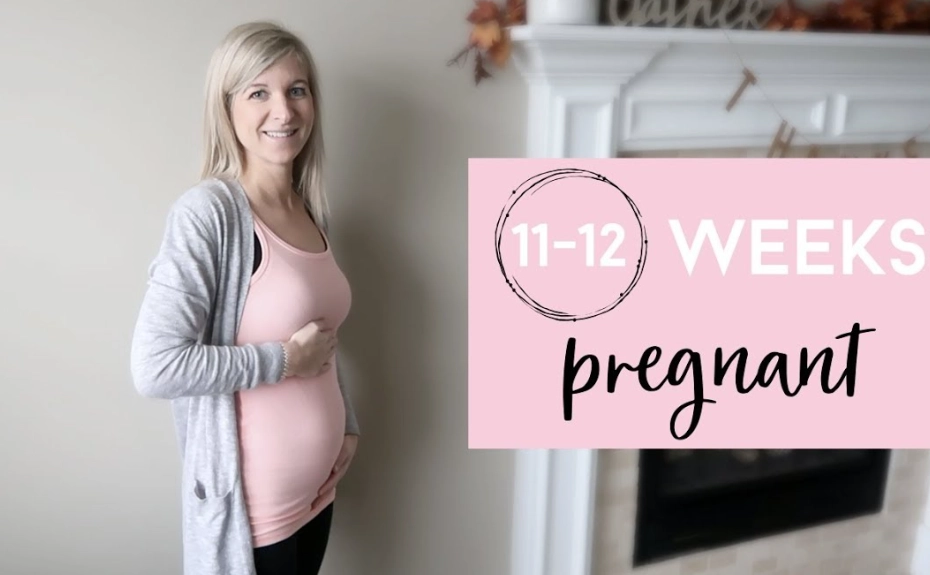
Nausea and Fatigue Begin to Lift
For many, the relentless morning sickness (which is a misnomer—it can strike anytime) starts to fade around this time. You might find you can go longer between snacks without feeling queasy, or the smell of coffee doesn't send you running anymore. Similarly, the bone-deep exhaustion of the first few weeks often lessens. You're not necessarily bursting with energy, but getting through the day without a 3 PM nap might feel possible again.
Here's the expert nuance everyone misses: this easing is a trend, not a switch. Some days will be better than others. If your nausea vanishes completely overnight, that's usually fine. If it disappears alongside other symptoms like breast tenderness, it's worth a mention to your provider, but it's often just your body adjusting. The key is the overall direction.
The Start of a "Baby Bump"
Your uterus has grown from the size of a pear to about the size of a grapefruit. It's now rising above your pelvic bone. This means you might start to notice a firm, rounded lower abdomen. For first-time moms, this might just look like a bit of bloating that doesn't go away. For others, a definite small bump appears. Your regular pants might start feeling snug.
Personal Note: With my first, I was convinced I had a bump at 10 weeks. It was mostly... lunch. The real, firm, uterine bump around 12-13 weeks feels different—it's lower, just above your pubic bone. Don't stress if you don't have one yet, especially if you have strong core muscles or a longer torso.
Other Physical Clues
Your breasts likely still feel tender and full. You might see more pronounced blue veins (they're working overtime). Some women notice a change in skin—the infamous "pregnancy glow" from increased blood flow, or conversely, some breakouts. A common but less talked-about sign is a change in cervical mucus—it often becomes more abundant and milky.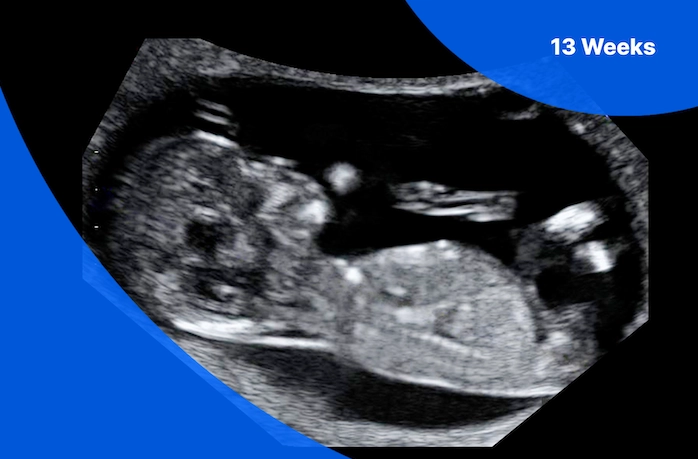
Let's organize these observable signs and address a common worry head-on.
| Sign You Might Notice | What It Often Means | A Common Worry & Reality Check |
|---|---|---|
| Nausea subsiding | Placenta is taking over hormone production, easing the surge that caused sickness. | Worry: "Is the pregnancy still progressing if I feel better?" Reality: For most, this is a positive, expected shift. |
| More energy returning | Your body is adapting to the hormonal changes. | Worry: "I'm still tired. Is that bad?" Reality: Fatigue can linger. The trend matters more than a single day. |
| Firm lower abdominal fullness | Your uterus is expanding out of the pelvis. | Worry: "I don't have a bump yet." Reality: Bump appearance varies wildly based on body type, muscle tone, and whether it's a first pregnancy. |
| Breast tenderness continues | Hormones are still preparing for lactation. | Worry: "The tenderness comes and goes." Reality: Fluctuation is normal. It doesn't need to be constant. |
Medical Check-Up: The Definitive Signs
While how you feel is important, the most concrete signs of a healthy pregnancy at 12 weeks come from your prenatal appointments. This is where we move from "probably okay" to "measurably progressing."
The 12-Week Ultrasound (NT Scan)
This is the big one. The nuchal translucency (NT) scan isn't just for screening; it's a wealth of reassurance. A healthy scan will show:
A wiggly, active baby. You'll see them move, maybe even suck a thumb. The heart rate will be strong, typically between 150-170 beats per minute, though a normal range can be wider (according to the American College of Obstetricians and Gynecologists, a normal fetal heart rate at this stage is between 110-160 bpm, but it's often higher early on).
All major structures present. The sonographer will check for the skull, brain, stomach, bladder, arms, legs, hands, and feet. Seeing these form correctly is a massive positive sign.
Normal nuchal translucency measurement. This is the fluid at the back of the baby's neck. A measurement within the normal range for your baby's size is a good indicator of low risk for certain chromosomal conditions.
Hearing the Heartbeat with a Doppler
At your regular check-up, your midwife or doctor might use a handheld Doppler device. Finding that swift, rhythmic "whoosh-whoosh" sound is an instant relief for most. Sometimes, especially if your uterus is tilted or you have a higher BMI, it can be tricky to find at 12 weeks. Don't panic—an ultrasound is far more definitive at this stage.
Blood Test Results
Your first-trimester blood screening looks at pregnancy-associated plasma protein-A (PAPP-A) and human chorionic gonadotropin (hCG). Results within expected ranges, combined with the NT scan, give a combined risk assessment. Normal results are a strong sign of healthy placental function and development.
Think of it this way: your symptoms are the anecdotal evidence. The ultrasound and blood tests are the hard data. Both are important, but the medical checks are the gold standard.
What If I Don't Feel These Signs?
This is the question that keeps many awake at night. What if your nausea never arrived, or your energy is still in the gutter, or you just don't "feel" pregnant?
First, take a breath. The absence of symptoms is not, by itself, a sign of a problem. I've seen perfectly healthy pregnancies where the woman felt almost normal throughout the first trimester. Every body reacts differently to the hormonal upheaval.
The red flags to act on are not about missing "good" symptoms, but about the sudden onset of specific "bad" symptoms:
- Severe abdominal pain (not just round ligament stretching).
- Heavy bleeding (more than light spotting).
- A sudden, complete disappearance of all pregnancy symptoms (like breast tenderness, bloating) very early on, before 8-9 weeks.
- Severe headaches, vision changes, or dizziness (potential signs of high blood pressure).
If you're not feeling the typical signs but have a normal 12-week scan? That's your answer. The scan trumps everything. Your pregnancy is just taking a quieter, gentler path.
I remember a client, Sarah, who was frantic because her nausea vanished at 10 weeks and she felt great. Her scan at 12 weeks showed a perfectly active, healthy baby measuring right on track. Her anxiety was real, but the medical evidence was clear. Her body just handled the hormones better.
Your Top 12-Week Pregnancy Questions Answered
The 12-week mark is a bridge. You're leaving the uncertainty of the very early weeks and stepping into the more stable second trimester. The signs of a healthy pregnancy—the easing symptoms, the growing bump, the clear scan—are your landmarks on that bridge. Trust them, trust your medical team, and start allowing yourself to enjoy this journey.
Reader Comments