Let's be real. The first trimester can feel like a nutritional rollercoaster. One minute you're planning a superfood salad, the next the smell of broccoli makes you sprint for the bathroom. I remember staring at my fridge, utterly paralyzed. The official advice felt vague, and my body seemed to reject everything I thought was "good."
Here's the truth they don't always tell you: the goal for the first 12 weeks isn't perfection. It's strategic nourishment and survival. Your baby is minuscule, and their caloric needs are low. The priority is supporting you—managing your energy, navigating aversions, and laying a foundation of key nutrients that are absolutely critical for early development.
This guide ditches the intimidating textbooks. We'll talk about what to actually put on your plate, how to hack morning sickness, and the few, crucial foods to sidestep. Consider this your roadmap from someone who's been in the trenches (and consulted with a brilliant OB-GYN nutritionist colleague to get the science straight).
In This Article
The 3 Non-Negotiable Nutrients & Where to Find Them
Forget trying to memorize the entire periodic table. In the first trimester, three players deserve your undivided attention. Nail these, and you're giving your baby's neural tube, spine, and basic structure a superstar start.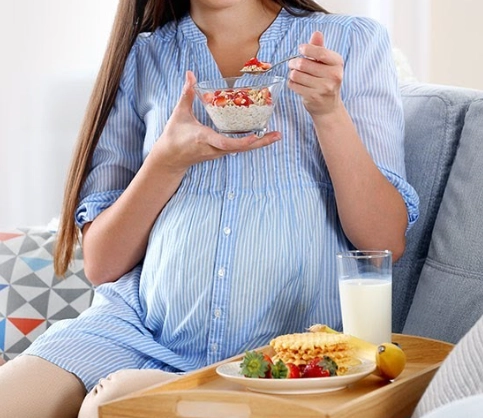
1. Folate (or Folic Acid): The Neural Tube Closer
This is the MVP. Folate is crucial in the first 28 days after conception—often before you even know you're pregnant—to prevent neural tube defects like spina bifida. The CDC and American College of Obstetricians and Gynecologists recommend 600 micrograms daily.
Your prenatal vitamin covers the base. But food-based folate is a powerful ally.
- Leafy Greens: Spinach, kale, romaine. A huge salad gives you a lot, but it cooks down to nothing. Think of it as a bonus.
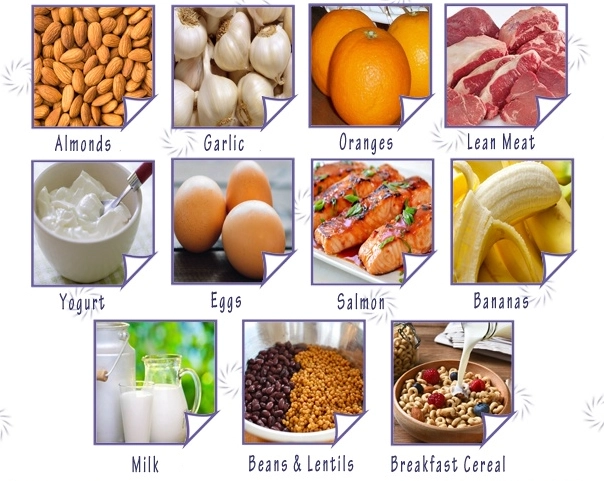
- Legumes Powerhouse: This is your secret weapon. Lentils, chickpeas, black beans. A cup of cooked lentils packs around 350 mcg.
- Fortified Foods: Many cereals, breads, and pastas have folic acid added. Check the label.
- Other Good Sources: Avocado, asparagus, broccoli, citrus fruits.
Pro Tip from a Dietitian: "Don't just rely on greens for folate. A lentil soup or a bean burrito bowl is a far more reliable and consistent way to hit your targets, especially when greens are unappealing."
2. Iron: Building Your Blood Supply
Your blood volume is already starting to increase to support the placenta. Iron prevents anemia, which causes crushing fatigue—the last thing you need on top of first-trimester exhaustion.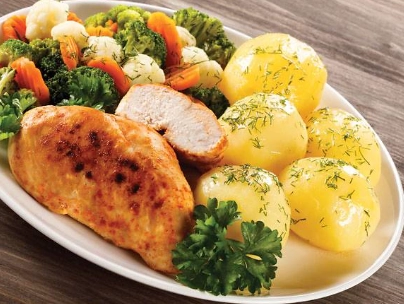
Pair plant-based iron (non-heme) with Vitamin C (like bell peppers or orange juice) to boost absorption. Animal-based iron (heme) is more easily absorbed.
3. Choline: The Brain-Builder
This is the underrated superstar. Choline is vital for baby's brain development and helps prevent neural tube defects, working alongside folate. Many prenatals don't include enough (the recommended intake jumps to 450 mg/day in pregnancy).
Top food sources: Eggs (especially the yolk), lean beef, chicken, fish, soybeans, and quinoa.
How to Eat When You Feel Terrible: Morning Sickness Hacks
The term "morning" sickness is a cruel joke. For many, it's an all-day affair. The biggest mistake? Letting yourself get too hungry. An empty stomach makes nausea worse.
The Strategy: Graze, Don't Feast.
- Keep plain crackers, dry cereal, or a banana on your bedside table. Eat a few bites before you even sit up.
- Eat small amounts every 1-2 hours. Think of food as medication you need to take routinely.
- Protein is your secret weapon against nausea. It stabilizes blood sugar. A handful of nuts, a spoonful of nut butter, a hard-boiled egg.
- Cold or room-temperature foods often have less pungent smells. Smoothies, yogurt, chilled pasta salad.
- Ginger works for many. Try real ginger tea, ginger chews, or grating fresh ginger into smoothies.
- Sip fluids slowly between meals, not during. Too much liquid with food can slosh around a queasy stomach.
When to Call Your Doctor: If you cannot keep any food or liquids down for 24 hours, are losing weight, feel dizzy, or have very dark urine, you may have hyperemesis gravidarum. This requires medical attention. Don't suffer silently.
Your First Trimester Food Lists: What to Eat More Of
Think of this as your friendly shopping guide. Focus on adding these in, wherever you can.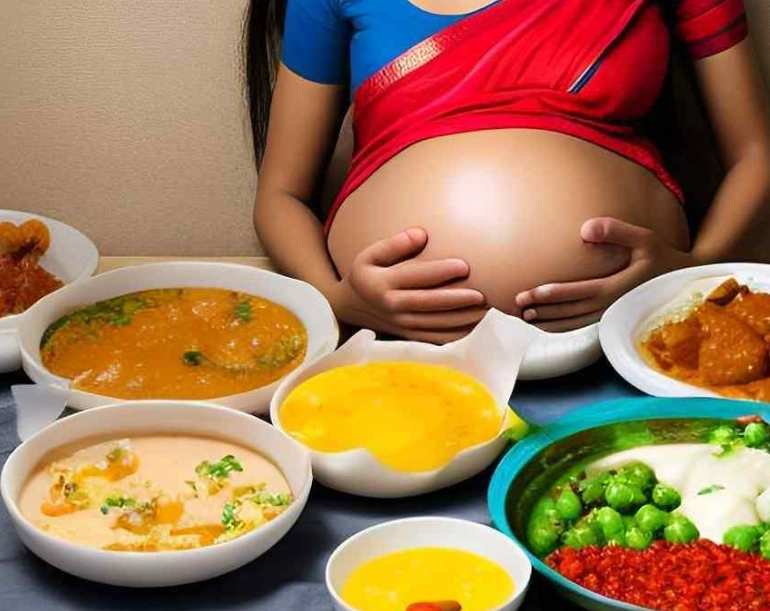
| Food Group | Why It's Great | First-Trimester Friendly Ideas |
|---|---|---|
| Complex Carbs | Steady energy, fights nausea, provides B-vitamins & fiber. | Oatmeal, whole-grain toast, sweet potatoes, quinoa, brown rice, whole-wheat pasta. |
| Lean Proteins | Building blocks for baby's cells, keeps you full, stabilizes mood/energy. | Greek yogurt, eggs, chicken, lentils, tofu, fish (low-mercury), nut butter. |
| Healthy Fats | Critical for baby's brain & eye development, helps absorb vitamins. | Avocado, olive oil, nuts & seeds, fatty fish like salmon. |
| Fruits & Veggies | Vitamins, minerals, antioxidants, fiber. Go for color variety. | Berries (frozen are fine), bananas, citrus, avocado, cooked spinach, bell peppers, carrots. |
The Short, Clear List of Foods to Avoid
This list is about risk management, not fear-mongering. The main concerns are listeria (a bacteria that can cross the placenta), toxoplasma (from undercooked meat and unwashed produce), and excess mercury.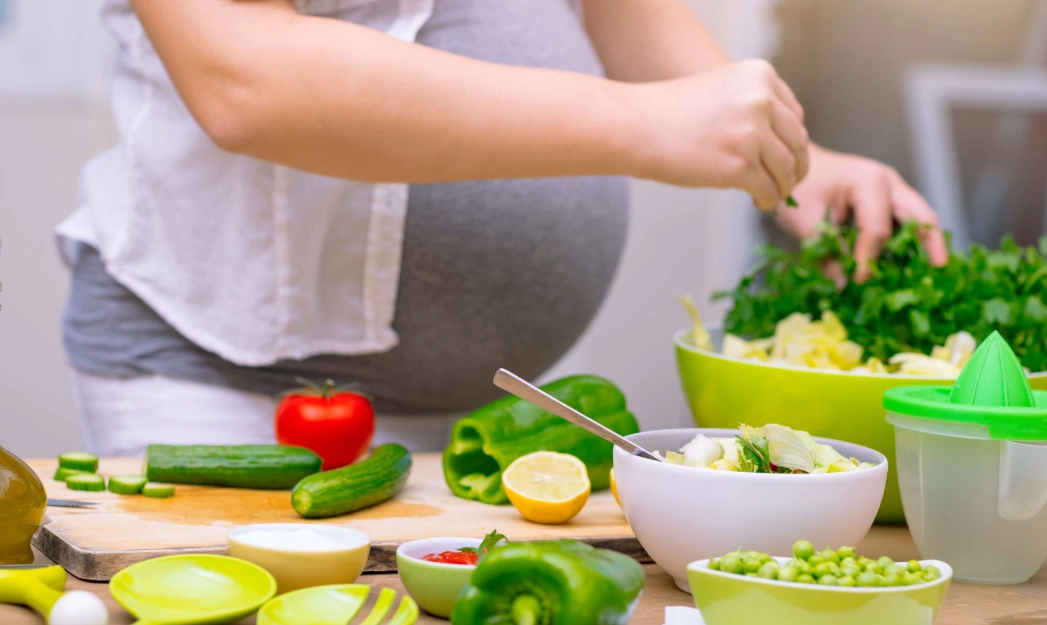
- Unpasteurized (Raw) Dairy & Juices: Skip soft cheeses like brie, feta, queso fresco unless the label clearly says "made with pasteurized milk." Avoid raw milk and fresh-pressed, unpasteurized juices.
- Raw or Undercooked Meat, Eggs, & Seafood: No rare steak, runny eggs (unless pasteurized), sushi made with raw fish, or raw oysters. Cook meat to safe internal temperatures.
- High-Mercury Fish: Avoid shark, swordfish, king mackerel, tilefish, and bigeye tuna. Instead, choose low-mercury options like salmon, shrimp, canned light tuna, cod, and catfish (2-3 servings per week is great).
- Unwashed Produce & Raw Sprouts: Wash all fruits and vegetables thoroughly. Raw alfalfa or bean sprouts can harbor bacteria and are best avoided.
- Processed/Deli Meats & Pâtés: These can harbor listeria. If you crave a sandwich, heat the deli meat until it's steaming hot to kill any bacteria.
- Alcohol: There is no known safe amount of alcohol during pregnancy. It's best to avoid it completely.
Putting It All Together: A Day on Your Plate
Let's make this tangible. Here's what a first-trimester-friendly day might look like, built for grazing and managing energy.
Upon Waking (Before getting out of bed): A few whole-wheat crackers or a plain rice cake.
Breakfast: A smoothie with Greek yogurt (protein), frozen spinach (folate), half a banana, and a tablespoon of ground flaxseed (fiber, omega-3s). Easy to sip if queasy.
Mid-Morning Snack: Apple slices with a tablespoon of almond butter (protein + healthy fat).
Lunch: Leftover quinoa bowl with roasted chickpeas (folate, iron, protein), diced bell peppers (Vitamin C), and avocado (healthy fats, folate).
Afternoon Snack: A hard-boiled egg (choline, protein) and a handful of whole-grain crackers.
Dinner: Baked salmon (low-mercury, omega-3s, protein) with a side of well-cooked lentils (folate, iron) and some steamed carrots.
Evening (if needed): A small bowl of fortified cereal with milk or a cup of ginger tea.
See? It's not about exotic superfoods. It's about reliable, repeatable choices that work for your stomach.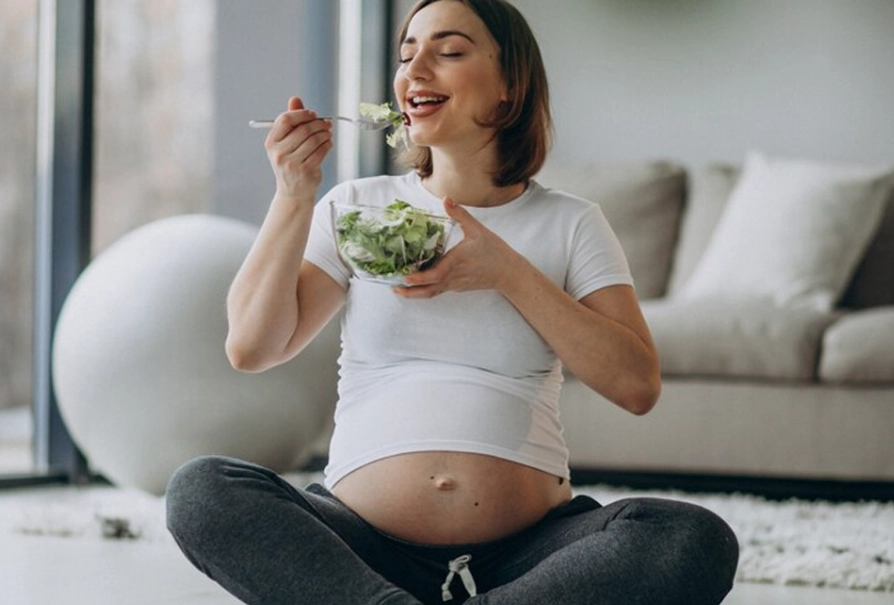
Your Top First Trimester Diet Questions, Answered
The first trimester is about grace, not guilt. Listen to your body, focus on the key nutrients, and use your prenatal vitamin as your safety net. You don't have to love every bite right now. You just have to get through it, one small snack at a time. You've got this.
Reader Comments