That time between ovulation and your expected period can feel like a lifetime when you're hoping for a baby. Every little twinge, every shift in mood gets analyzed. Could it be? The internet is full of lists, but they often miss the nuance. Let's cut through the noise. Very early pregnancy signs are subtle, tricky, and maddeningly similar to premenstrual syndrome (PMS). I've been through this myself and spoken with countless women on this journey. The key isn't looking for one magic symptom, but understanding the pattern and intensity of changes in your own body.
What's Inside: Your Quick Guide
How Early Can Pregnancy Symptoms Start?
Most women won't notice anything until about a week after ovulation. Here's the biological play-by-play. After the egg is fertilized, it takes 6-10 days to travel down the fallopian tube and implant into the uterine lining. This event, implantation, is the real starting gun. It triggers the production of the pregnancy hormone human chorionic gonadotropin (hCG).
No hCG, no symptoms. So, any sensation claimed before implantation is almost certainly not pregnancy-related. Once hCG starts circulating, it tells the corpus luteum (the leftover follicle from ovulation) to keep pumping out progesterone. This sustained high level of progesterone, along with rising hCG and estrogen, is what causes those first whispers of pregnancy.
Think of it this way: Days 1-6 post-ovulation? Too early. Days 7-10 post-ovulation? The window opens for implantation-related signs. Days 11-14 post-ovulation (right before your period is due)? This is when other early symptoms might begin to creep in for some women.
A crucial note: Every single symptom discussed here can also be caused by your regular hormonal cycle, stress, illness, or lifestyle changes. They are clues, not confirmations. The only way to know for sure is a positive pregnancy test.
The Top 7 Very Early Pregnancy Signs (Before Your Period is Due)
Forget generic lists. Let's talk about what these signs actually feel like and the specific timing that makes them noteworthy.
1. Implantation Bleeding or Cramping
This is the poster child for early signs, but it's often misunderstood. It's not like a period. It's typically light spotting—pink or brown discharge—that lasts from a few hours to a couple of days. It coincides with implantation, around 6-10 days after ovulation. The cramping is usually milder than menstrual cramps, a faint tugging or prickling sensation low in the abdomen. Some women feel nothing at all. I missed it completely with my first.
2. Breast Changes That Feel "Different"
Yes, your breasts can get tender before your period. The pregnancy version often feels… more. The tenderness can be sharper. Your breasts might feel unusually heavy, full, or tingly. The areolas (the darker area around the nipple) might look darker or bumpier (those are Montgomery's tubercles becoming more prominent) extremely early on. A friend described it as, "They just felt like they weren't mine anymore."
3. Unshakeable Fatigue
This isn't "I had a long day" tired. It's a deep, bone-weary exhaustion that makes you want to nap at your desk by 2 PM. Your body is building a placenta, and that takes monumental energy. Progesterone is also a central nervous system depressant. This symptom can hit as early as a week after conception.
4. Shifts in Smell and Taste
Your morning coffee suddenly smells revolting. The smell of your partner's deodorant makes you gag. You might get a persistent metallic taste in your mouth (dysgeusia). This heightened sense of smell is one of the more unique early indicators, thought to be linked to rising estrogen levels.
5. Frequent Urination
Before the uterus is big enough to press on your bladder, this is caused by increased blood flow to the pelvic area and kidneys. You might find yourself waking up at night to pee, which isn't your normal pattern.
6. Basal Body Temperature (BBT) Stays High
If you're charting your BBT, this is a powerful clue. Your temperature rises after ovulation and stays elevated if you get your period. If you're pregnant, it stays high. A triphasic pattern—a second, sustained temperature rise about 7-10 days after ovulation—is sometimes seen on pregnancy charts, though it's not a guarantee.
7. Emotional Rollercoaster and "Feeling Pregnant"
Hormones are potent. You might feel unusually weepy, irritable, or anxious for no clear reason. Many women report an intangible "just knowing" or feeling "different." While not scientific, it's a common anecdote worth noting alongside physical signs.
How to Tell Early Pregnancy Signs from PMS?
This is where most lists fail. The overlap is huge because progesterone causes both PMS and early pregnancy symptoms. The distinction is in the details and deviations from your personal baseline.
| Symptom | Typical PMS | Early Pregnancy Clue |
|---|---|---|
| Breast Tenderness | General soreness, often improves as period nears. | Can be more intense, sharp, with pronounced fullness. Tenderness may persist or increase. |
| Fatigue | Common, but often manageable. | Often profound and debilitating, appearing out of nowhere. |
| Cramping | Common, often intensifying right before flow starts. | Milder, shorter-lived cramps around implantation time (6-10 DPO). May also feel like a dull ache. |
| Bleeding/Spotting | Usually none before full flow starts. | Light implantation spotting 6-10 days after ovulation. |
| Food Aversions/Cravings | Can crave sweets or salty foods. | Aversions can be strong and specific (e.g., to coffee, meat). Cravings can be for non-foods (pica) or unusual combos. |
| Mood Swings | Irritability, sadness, anxiety. | Similar, but may feel more intense or include unexpected euphoria. |
The biggest mistake? Symptom spotting in isolation. A cramp alone means nothing. Fatigue alone means nothing. Look for a constellation of symptoms, especially ones that are unusual for your typical pre-period experience.
A Practical Plan: What to Do If You Suspect Early Pregnancy
Obsessing over every twinge is exhausting. Here's a saner approach.
First, take a mental step back. Acknowledge the possibility without letting it consume you. Stress can delay your period, creating a cruel feedback loop.
Track, but don't diagnose. Make simple notes if it helps: "Day 8 post-ovulation: unusual fatigue, slight metallic taste." This creates a record rather than a swirling anxiety in your head.
Hold off on the test. I know it's tempting. But testing at 8 or 9 days post-ovulation is a recipe for a false negative and disappointment. The American Pregnancy Association notes that while some tests are sensitive, accuracy increases significantly the closer you get to your missed period. The best practice is to wait until the first day of your missed period. If you must test early, wait until at least 12-14 days post-ovulation.
Start acting as if you might be pregnant. This is the most practical step. Avoid alcohol, limit caffeine, and continue or start taking a prenatal vitamin with at least 400 mcg of folic acid. This is beneficial regardless of the outcome.
When your period is late, take a test. Use your first-morning urine for the highest concentration of hCG. Follow the instructions exactly. If it's negative but your period still doesn't show up in a few days, test again.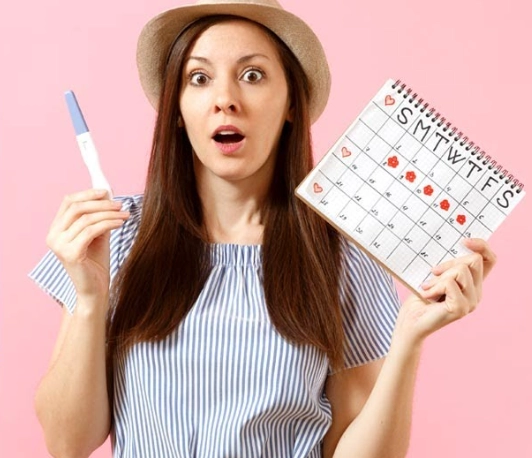
Your Top Questions Answered
Navigating the two-week wait is an exercise in patience. Your body is doing incredible, complex work. These early signs are its quiet way of signaling that change is underway. Listen to it, but also give it time to speak clearly. The wait, though agonizing, is part of the story.
Reader Comments