Let's be real. If you're thinking about having a baby in your 30s or 40s, you've probably been bombarded with two extremes: scary headlines about "geriatric pregnancy" and overly sunny social media posts about "mama bliss." The truth about pregnancy after 30 is messier, more nuanced, and honestly, more interesting than either of those clichés. It's not just about higher risks; it's about different trade-offs. I've talked to dozens of obstetricians, read the latest studies from sources like the American College of Obstetricians and Gynecologists (ACOG), and watched friends navigate this path. Here’s the unfiltered, evidence-based guide you actually need.
What You'll Find Inside
Understanding the Real Risks (Beyond the Hype)
We have to talk about the risks first, not to scare you, but to arm you with facts. The term "advanced maternal age" (AMA) kicks in at 35, but that's an arbitrary line drawn decades ago. Biology is a gradient, not a cliff. The risks are about gradual increases in probability, not certainties.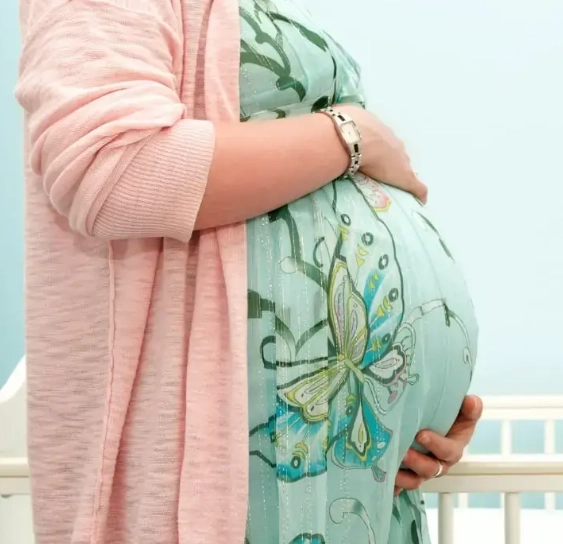
1. Fertility and Conception Takes More Time
This is often the first hurdle. A woman's egg supply (ovarian reserve) naturally declines with age. More importantly, egg quality changes, which can make fertilization and implantation less efficient. The data from the CDC is clear: for a healthy 30-year-old, the chance of conceiving in any given cycle is about 20%. By 40, it's around 5%. The takeaway? It might take longer. The common mistake is waiting a full year to see a doctor if you're over 35. Most specialists now recommend a check-in after 6 months of trying without success.
2. Increased Risk of Certain Pregnancy Complications
Your body handles the immense stress of pregnancy differently at 35+ than at 25. The risks for a few key conditions go up:
| Condition | Why Risk Increases | What You Can Do |
|---|---|---|
| Gestational Diabetes | Insulin sensitivity naturally decreases with age. | Early glucose screening, mindful nutrition, regular exercise before and during pregnancy. |
| Gestational Hypertension / Preeclampsia | Blood vessels may be less flexible. | Monitor blood pressure closely; low-dose aspirin may be recommended by your doctor for prevention. |
| Chromosomal Conditions (e.g., Down Syndrome) | Older eggs have a higher chance of errors during division. | Understand your prenatal screening (NIPT) and diagnostic (amniocentesis) options early. |
| C-section Delivery | Often related to the above complications or longer labors. | Discuss birth preferences proactively with a supportive provider. |
The key isn't to memorize this table and panic. It's to use it as a checklist for conversations with your doctor. For instance, asking "Given my age and health, am I a candidate for low-dose aspirin to prevent preeclampsia?" shows proactive care.
Expert Insight: Many women fixate on the chromosomal risk chart. Yes, the relative risk increases, but look at the absolute numbers. At 35, the chance of having a baby with Down syndrome is about 1 in 350. At 40, it's about 1 in 100. That means 99 out of 100 40-year-olds do not have a baby with Down syndrome. Context matters.
The Surprising Benefits and Advantages
Now for the good stuff that often gets ignored. Later motherhood comes with a set of powerful, research-backed advantages that can profoundly shape the parenting experience.
Emotional and Financial Stability. This is huge. By your 30s and 40s, you're more likely to have a stable career, a stronger sense of self, and more financial resources. The stress of "How will we afford diapers?" is often replaced with a focus on "How do we want to raise this child?" You've had time to travel, build a career, and figure out who you are—so you're not giving up a life to become a parent; you're integrating a child into a life you've already built.
A More Established Partnership. You and your partner have likely been together longer. You've weathered arguments, managed finances, and know each other's flaws. That foundation is bedrock for the sleepless nights and challenges of new parenthood. You're more likely to parent as a coordinated team.
Healthier Habits (Often). While biology has its own agenda, your behavior is in your control. Many women in their 30s are more informed about nutrition, prioritize regular exercise, and have quit habits like heavy drinking or smoking. You're entering pregnancy with a more intentional toolkit for wellness.
I remember my friend Sarah, who had her first at 38. She said, "At 25, I would have been a loving but anxious mess, worried about everything I was missing. At 38, I'm tired, but I'm calm. I know how to manage my job stress, I can afford a postpartum doula, and I don't care about missing a party. I'm all in." That emotional readiness is a tangible, massive benefit.
How to Plan for a Healthy Pregnancy After 30
Knowledge is power, but action is results. If you're considering pregnancy after 30, your planning phase is your superpower. Don't just think about it—build a checklist.
The Pre-Conception Checklist (Start 3-6 Months Before)
1. The Preconception Visit: This is non-negotiable. See your OB-GYN or a maternal-fetal medicine specialist. Discuss your personal and family medical history. Get baseline tests for thyroid function, vitamin D, and iron. Review any medications.
2. Supplement Smartly: Start a high-quality prenatal vitamin with at least 400 mcg of folic acid today. Folic acid is crucial for preventing neural tube defects, and its benefits are greatest in the earliest weeks, often before you know you're pregnant.
3. Lifestyle Audit: This isn't about perfection. It's about trends. How's your sleep? Chronic poor sleep wreaks havoc on hormones. What's your relationship with alcohol and caffeine? Build a consistent, moderate exercise routine now—it's harder to start when you're pregnant.
4. Financial & Logistical Prep: This is the "unsexy" but critical part. Understand your health insurance coverage for prenatal care, delivery, and newborn care. Start researching pediatricians. Have a candid talk with your partner about parental leave plans and postpartum support. Who will do the night shifts? Can you budget for meal delivery or extra help?
Navigating Prenatal Care Like a Pro
Once pregnant, you'll likely have more frequent appointments and be offered more tests. Your job is to be an informed participant.
Ask about the Non-Invasive Prenatal Test (NIPT), a simple blood draw after 10 weeks that screens for chromosomal conditions with high accuracy. Understand the difference between screening tests (like NIPT or the nuchal translucency scan) and diagnostic tests (like CVS or amniocentesis). The former assesses risk; the latter gives a yes/no answer.
Find a care provider who sees you, not just your age. If you're healthy and pregnancy is progressing normally, you should still be a candidate for the birth experience you want, whether that's in a hospital, birth center, or at home. You might have to advocate for it more firmly.
Your Top Questions, Answered

The journey to motherhood after 30 isn't a riskier path—it's a different path. It demands more upfront planning and medical partnership, but it often rewards you with greater emotional and financial resources. Ditch the fear-based narratives. Arm yourself with specific questions for your doctor, build your support system early, and focus on the unique strengths you bring to parenting at this stage of life. Your experience, stability, and hard-won self-knowledge are assets no younger age can provide.
Reader Comments