In This Article
Let's be real, the first trimester can be a wild ride. One minute you're over the moon, the next you're hunched over the toilet or Googling every little twinge. It's a time of massive change, and it's completely normal to feel anxious. But how do you know when that anxiety is justified? When is a symptom just part of the pregnancy package, and when is it a genuine red flag?
I remember with my first, I spent hours worrying about every tiny cramp. My doctor finally said, "You need to know the real danger signs of pregnancy in the first trimester, not just the scary stories." That advice was gold. It's not about scaring you; it's about empowering you with clear, accurate information so you can enjoy this time as much as possible, knowing when to relax and when to pick up the phone.
So, let's cut through the noise. We'll talk about the symptoms that truly warrant immediate medical attention, and we'll also cover the common stuff that feels scary but is usually okay. This isn't a medical textbook—it's a practical guide from someone who's been in those anxious shoes.
A Quick, Critical Note Before We Start
This guide is for information and empowerment. It is not a substitute for professional medical advice. Your healthcare provider knows you and your unique pregnancy. If you are ever unsure, worried, or something just feels "off," call them. Never hesitate. It's always better to get checked and have it be nothing than to ignore a potential problem. Trust your gut—it's usually right.
Why the First Trimester is So Critical
Think of the first twelve weeks as the ultimate construction phase. Every major organ system is forming. The placenta, your baby's lifeline, is establishing itself. It's a period of incredible vulnerability and importance. Most miscarriages, unfortunately, happen during this time, often due to chromosomal issues that are nobody's fault. Understanding the danger signs of pregnancy in first trimester is about protecting your health and giving your pregnancy the best possible start.
It's also a time when conditions like ectopic pregnancies reveal themselves. Knowing these signs early can be life-saving. So, while we talk about symptoms, remember the context: it's a delicate, foundational period.
The Major Danger Signs: When to Call Your Doctor Immediately
Okay, let's get to the heart of it. These are the symptoms that should have you reaching for the phone to call your OB-GYN, midwife, or heading to the nearest emergency room without delay. Don't wait until morning. Don't "see if it gets better." Act.
Severe Vaginal Bleeding
We need to define "severe" because some spotting can be normal (we'll get to that). Severe bleeding means:
- Bleeding that soaks through a regular pad in an hour or less, for several hours in a row.
- Passing clots that are larger than a golf ball. Smaller clots can happen, but large ones are concerning.
- Bleeding accompanied by severe cramping or pain.
This level of bleeding is the most classic and urgent of the danger signs in early pregnancy. It can signal a miscarriage in progress or other serious complications. The key metric is the flow. Light spotting is a different category.
Intense Abdominal or Pelvic Pain
Cramping that feels like mild period cramps is common as your uterus stretches. That's not what we're talking about here.
Dangerous pain is:
- Sharp, stabbing, or persistent pain on one side of your lower abdomen. This is the hallmark sign of an ectopic pregnancy, where the embryo implants outside the uterus, usually in a fallopian tube. This is a medical emergency.
- Pain that is constant and severe, not coming in waves.
- Pain so bad it doubles you over and you can't walk or talk through it.
- Pain accompanied by shoulder tip pain (weird, I know) or dizziness/fainting. This can indicate internal bleeding from a ruptured ectopic pregnancy.
The one-sided nature of the pain is a huge red flag. Don't second-guess it.
Severe Nausea and Vomiting (Hyperemesis Gravidarum)
Morning sickness is one thing. Not being able to keep anything down is another. Hyperemesis Gravidarum (HG) is extreme, debilitating nausea and vomiting that leads to:
- Weight loss of more than 5% of your pre-pregnancy weight.
- Dehydration (signs include dark yellow urine, not urinating for 8+ hours, dizziness, dry mouth).
- Feeling weak, faint, or confused.
If you can't keep down liquids for 24 hours, you need medical help. Dehydration and nutrient deficiency are serious risks for you and the baby. There are safe and effective treatments for HG—you don't have to suffer.
High Fever
A fever of 101°F (38.3°C) or higher that doesn't come down with acetaminophen (like Tylenol) is a problem. High fever in early pregnancy, especially if sustained, has been linked to an increased risk of neural tube defects and other complications.
It's also a sign of a significant infection (like a kidney infection, flu, or COVID-19) that needs treatment. Never take ibuprofen (Advil, Motrin) or aspirin for a fever during pregnancy unless specifically told to by your doctor.
Pain or Burning During Urination
This could be a urinary tract infection (UTI). UTIs are common in pregnancy and, if left untreated, can travel up to the kidneys and cause a serious infection that can trigger preterm labor later on. It's an easy fix with pregnancy-safe antibiotics, so get it checked.
To help you quickly assess symptoms, here's a breakdown of common concerns and their urgency level. Remember, this is a guide, not a diagnosis.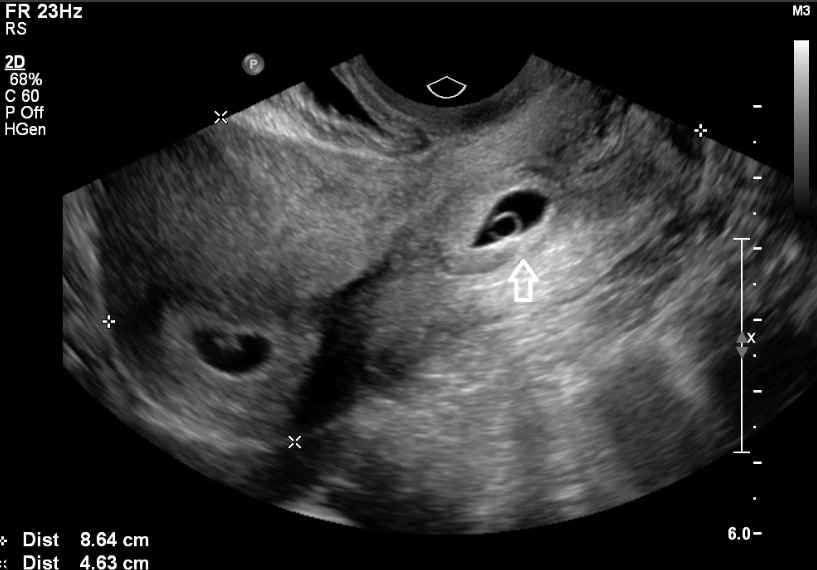
| Symptom | What It Might Look/Feel Like | Possible Cause | Urgency Level & Action |
|---|---|---|---|
| Heavy Vaginal Bleeding | Soaking a pad per hour, passing large clots (>golf ball size). | Miscarriage, other complication. | HIGH. Call provider or go to ER immediately. |
| Severe One-Sided Pain | Sharp, stabbing pain in lower left or right abdomen, possibly with shoulder pain or dizziness. | Ectopic pregnancy. | HIGH. This is a medical emergency. Go to ER. |
| Uncontrollable Vomiting | Can't keep food or liquids down for 24hrs, signs of dehydration (dark urine, dizziness). | Hyperemesis Gravidarum. | HIGH. Call provider. May need IV fluids/medication. |
| Moderate Bleeding/Spotting | Light pink/brown discharge, less than a pantyliner's worth, no severe pain. | Implantation bleeding, cervical irritation, subchorionic hematoma. | MEDIUM. Call provider within 24 hours for guidance. Monitor closely. |
| Mild Cramping | Dull, period-like aches that come and go. | Normal uterine stretching. | LOW-MEDIUM. Mention at next appointment. Call if it becomes severe or constant. |
| Fever (100.4°F - 101°F) | Feeling warm, chills, body aches. | Viral or bacterial infection. | MEDIUM. Call provider same day for advice on medication and monitoring. |
The "Scary But Usually Okay" Symptoms (The Gray Area)
This is where most of the anxiety lives. These symptoms can be terrifying, but they often have benign explanations. You should still mention them to your doctor, but they don't usually require a panic-driven ER visit.
Light Spotting or Bleeding
This causes more panic than almost anything else. I've been there. But light spotting—a few drops of pink or brown blood when you wipe—is surprisingly common in the first trimester. Causes can include:
- Implantation bleeding: Happens around the time your period is due, as the embryo burrows into the uterine lining.
- Cervical changes: Your cervix becomes more vascular and sensitive. Sex, a pelvic exam, or even straining during a bowel movement can cause a little spotting.
- Subchorionic hematoma: A small bleed between the uterine wall and the placenta. Many resolve on their own.
When to call: For any bleeding, it's wise to check in with your provider's office. They'll likely ask about the color, amount, and if there's pain. They may want to see you for an ultrasound for peace of mind. The American College of Obstetricians and Gynecologists (ACOG) has a helpful resource on bleeding during pregnancy that outlines the different causes.
Mild to Moderate Cramping
Your uterus is a muscle, and it's starting to stretch and grow. That causes feelings of pulling, tugging, or mild cramps. It often feels exactly like menstrual cramps. As long as the pain is mild, intermittent, not focused on one side, and not accompanied by heavy bleeding, it's likely normal.
Dizziness and Fatigue
These can be intense! Your blood volume is increasing, your blood pressure is adjusting, and your body is working overtime. Combine that with possible nausea and lack of food, and it's a recipe for feeling lightheaded. It's a common early pregnancy symptom, but it becomes a danger sign if it's severe, leads to fainting, or is paired with vaginal bleeding or pain.
A Quick Word on "Normal" Discomfort
Just because something is common doesn't mean you have to suffer in silence. Tell your doctor about all your symptoms—the severe ones and the draining ones like fatigue and nausea. They have strategies, tips, and sometimes medications that can make a world of difference in your quality of life. You deserve to feel as good as possible.
Questions I Get Asked All the Time (And What I Tell My Friends)
Usually, yes. Brown discharge is old blood. It means whatever caused a tiny bit of bleeding happened a while ago and the blood is just now making its way out. It's very common and often less concerning than fresh, red bleeding. However, the rule still stands: report it to your doctor, especially if the amount increases or turns red.
This one causes so much stress. For many people, nausea peaks around weeks 9-10 and then starts to fade. Its sudden disappearance can be a sign of a drop in pregnancy hormones, but it can also just be your body adjusting. Don't panic, but do mention it at your next appointment. Your provider might want to check the fetal heartbeat for reassurance.
Preeclampsia is extremely rare before 20 weeks. A first-trimester headache is much more likely due to hormonal shifts, dehydration, lack of sleep, caffeine withdrawal, or stress. Try drinking a big glass of water, resting in a dark room, and taking the acetaminophen dose your doctor approved. If the headache is the "worst of your life," is accompanied by visual changes (like seeing spots), or doesn't respond to medication, call your doctor.
Frequent urination is standard. Pain, burning, a feeling of urgency when little comes out, cloudy or strong-smelling urine, or pelvic pressure are signs of a UTI. If you suspect one, call your doctor. They'll do a simple urine test. Don't try to treat it yourself.
What to Do If You Experience a Danger Sign
Having a plan reduces panic. Here’s your step-by-step:
- Don't Panic (Easier said than done, I know). Take a deep breath. Your clear thinking is important.
- Call Your Healthcare Provider. Use their after-hours line if needed. Describe the symptom precisely: "I'm having sharp pain on my right side," "I've soaked two pads in two hours."
- Follow Their Instructions. They may tell you to come to the office, go to Labor & Delivery triage at the hospital, or go straight to the ER.
- Have Someone Drive You. If you're in severe pain, bleeding heavily, or dizzy, do not drive yourself.
- Bring Your Health Info. Grab your ID, insurance card, and any pregnancy notes you have.
For more detailed information on pregnancy complications, the Mayo Clinic's overview of high-risk pregnancy is a trusted, in-depth resource.
Beyond Physical Symptoms: Your Mental Health Matters Too
We focus on physical danger signs in early pregnancy, but intense anxiety, panic attacks, or feelings of deep despair are also warning signs. Perinatal mood and anxiety disorders (like depression and anxiety) can start during pregnancy. If you feel overwhelmed, hopeless, or unable to cope, tell your doctor. This is a vital part of your health and your baby's wellbeing. Seeking help is a sign of strength.
The Bottom Line: Trust Yourself
You know your body better than anyone. If something feels wrong, even if it's not on a standard list of danger signs of pregnancy in first trimester, get it checked out. The peace of mind is worth it. Most of the time, everything is fine. But for those times when it's not, acting quickly makes all the difference.
Arm yourself with knowledge, build a good relationship with your care provider, and listen to that inner voice. Here's to a healthy and much-less-stressful first trimester.
Reader Comments