In This Guide
So you just saw those lines, that plus sign, or the word "pregnant" appear. Your heart might be racing, your hands shaking. A pregnancy positive test result is one of those life moments you never forget, whether it was desperately hoped for or a complete surprise. That little stick holds a lot of power, and honestly, it can be totally overwhelming.
I remember when my friend Sarah took hers. She stared at it for a full ten minutes, brought it into different lights, and even took a picture and zoomed in, convinced she was seeing things. The mix of excitement, panic, and a million questions is so real.
What does this result actually mean? Is it definitely accurate? What on earth do you do first? This guide is here to walk you through every single step, from understanding that initial pregnancy positive test to navigating the wild first few weeks. We'll ditch the medical jargon and talk about what you really want to know.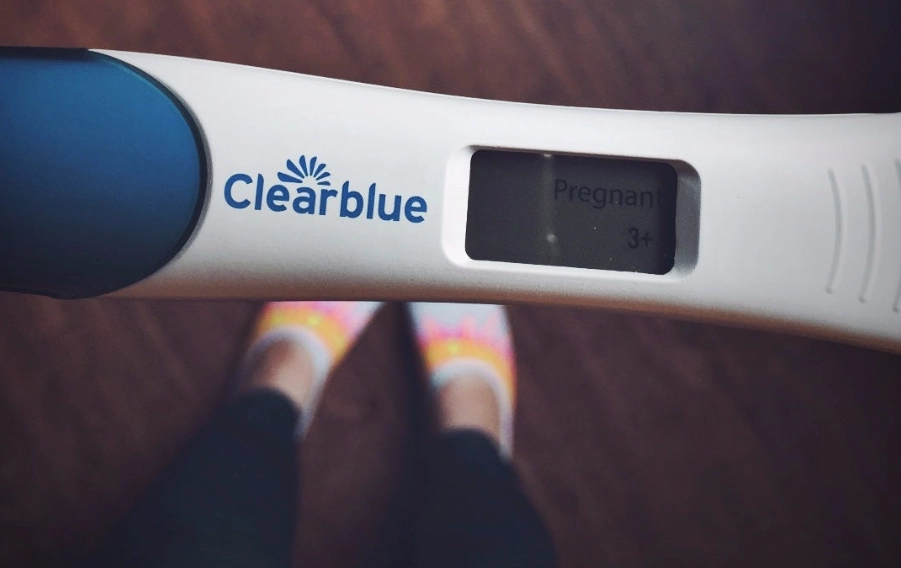
Understanding Your Pregnancy Test Result: Beyond the Lines
Not all positive results look the same, and sometimes they can be confusing. Was that a faint line? Is a digital test wrong? Let's break it down.
Types of Positive Results
Home tests come in a few formats, and each shows a positive pregnancy test differently:
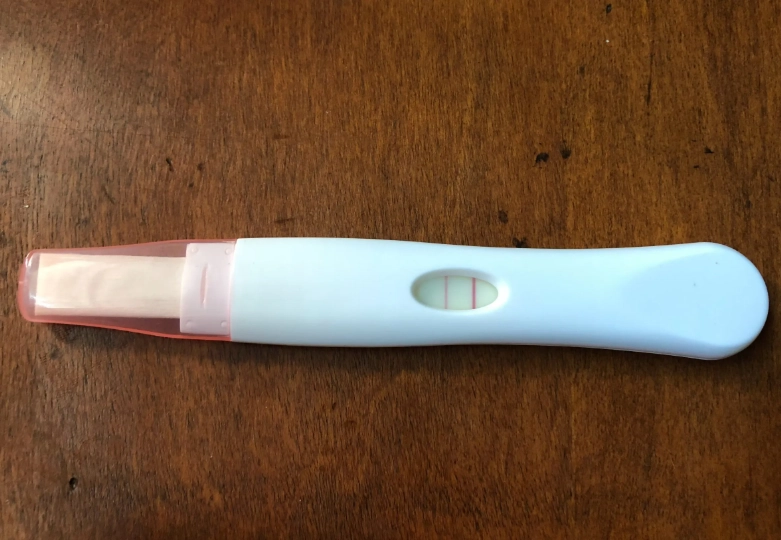
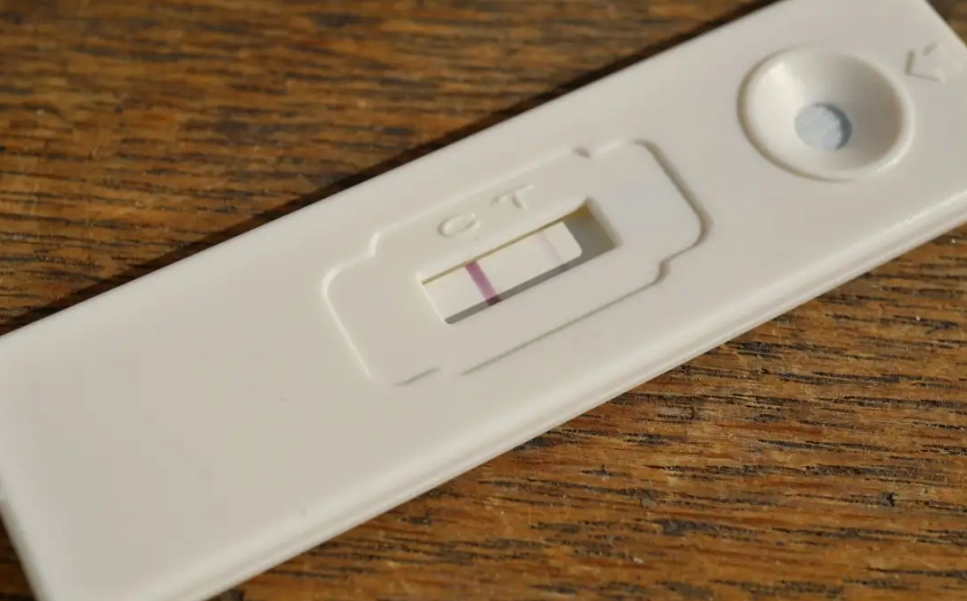
- The Classic Line Test: Two lines mean positive. The test line (T) can be fainter than the control line (C), and that's okay. Any distinct line, no matter how light, is usually considered positive if it appears within the time window. A faint line often just means you're testing very early, and your hCG levels are still low.
- The Digital Test: These spell it out for you with words like "Pregnant" or "Not Pregnant." No line interpretation needed. Some even estimate how many weeks since ovulation (like "1-2", "2-3", or "3+").
- The Plus/Minus Test: A plus sign (+) typically indicates a positive pregnancy test.
Here's the thing about faint lines: They cause a lot of anxiety.
If you see a faint line, the best advice is to wait 48 hours and test again with your first morning urine, which is more concentrated. hCG levels should roughly double every 48 hours in early pregnancy, so that line should get darker. If it stays faint or disappears, it could have been an early chemical pregnancy (a very early miscarriage), which is more common than people talk about.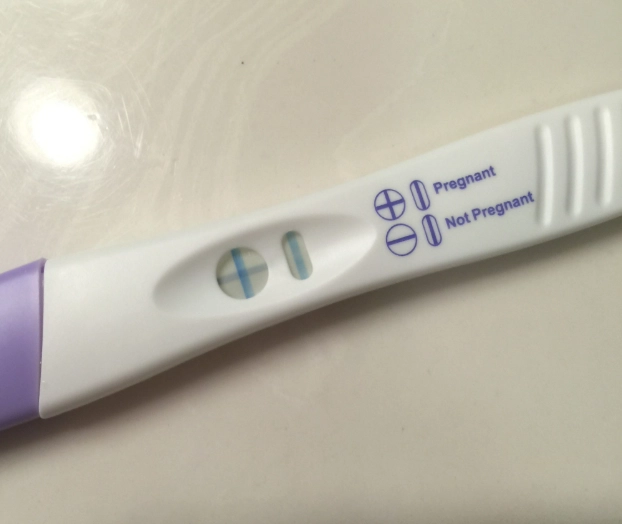
How Accurate Are They Really?
When used correctly, modern home pregnancy tests are over 99% accurate from the day you expect your period. But accuracy depends heavily on timing and following instructions.
Testing too early is the biggest culprit for false negatives (getting a negative when you are actually pregnant). Your body needs time to produce enough hCG for the test to detect. If you're impatient (who isn't?), you might test 4-5 days before your missed period, but know that the accuracy is lower. A negative then doesn't rule out pregnancy.
False positives—a positive pregnancy test when you're not pregnant—are much rarer but can happen.
| Potential Reason for a False Positive | Explanation | How Common? |
|---|---|---|
| Chemical Pregnancy | An early miscarriage shortly after implantation. The test detects initial hCG, but the pregnancy doesn't progress. A follow-up test may become negative, or a period may arrive. | Relatively common (estimated 25-50% of all pregnancies). |
| Certain Medications | Fertility drugs containing hCG (like Pregnyl, Ovidrel). Other medications like antipsychotics, anticonvulsants, or diuretics rarely interfere. | Uncommon, unless on specific fertility treatments. |
| Medical Conditions | Rare conditions like ovarian cysts, certain cancers, or kidney disease that can produce hCG. | Very rare. |
| Expired or Faulty Test | Always check the expiration date. A damaged test can also give an erroneous result. | Uncommon with major brands. |
| User Error | Reading the test way outside the time window (seeing an evaporation line). | Common cause of confusion. |
My personal take? If you get a clear positive, trust it until proven otherwise. Don't let internet stories about false positives drive you crazy. The most likely reason for a positive test is pregnancy.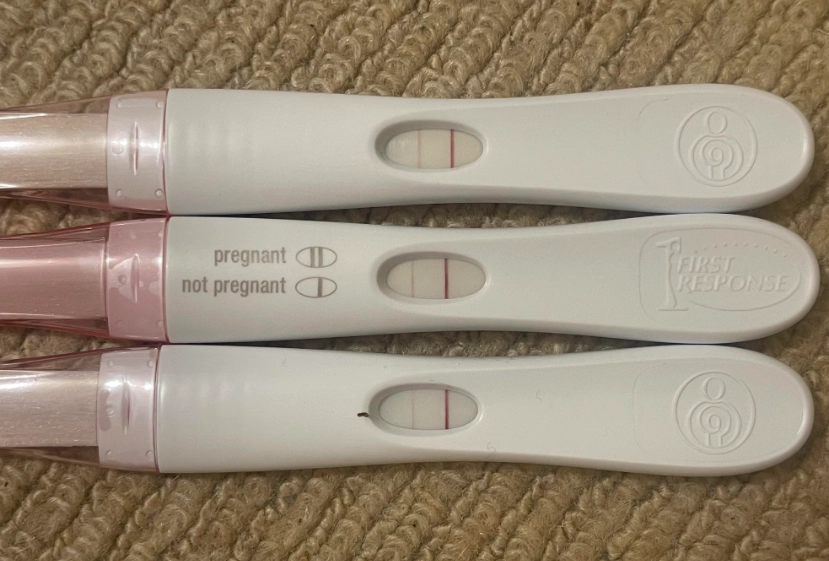
Your Immediate Next Steps After a Positive Test
Okay, you've processed the initial shock (or joy!). Now what? Here's a practical, step-by-step list. Don't feel like you have to do everything at once.
- Breathe. Seriously. Take a moment. This is big news.
- Consider Telling One Trusted Person. You don't have to announce it on social media. But telling your partner, a best friend, or a family member can give you immediate support. Early pregnancy can be an emotional rollercoaster; having someone to talk to is invaluable.
- Schedule an Appointment with a Healthcare Provider. This is your most important action step. Call your OB-GYN, family doctor, or a local clinic. They often won't see you until you're around 8 weeks pregnant for your first prenatal visit, but getting on the schedule is key. If you don't have a provider, start researching or ask for recommendations.
- Start Taking a Prenatal Vitamin. If you aren't already, start today. Folic acid is critically important in the very early weeks for preventing neural tube defects. Any over-the-counter prenatal is fine to start with; you can discuss brands with your doctor later. Don't stress about finding the "perfect" one.
- Take a Second Test (If You Want). For peace of mind, it's perfectly normal to take another test in a day or two. Use a different brand if you're skeptical. Seeing that second positive can make it feel more real.
- Pause Certain Habits. If you drink alcohol, smoke, or use recreational drugs, stop now. Also, discuss any prescription medications with your doctor ASAP—don't stop taking them without medical advice.
You might wonder, how soon is too soon to call the doctor? I called mine the same day, and the nurse just chuckled and said, "Congratulations! We'll see you in about a month." It felt a bit anticlimactic, but it was good to have the appointment booked.
The Early Pregnancy Timeline: What to Expect Before Your First Appointment
The wait between that positive pregnancy test and your first doctor's visit can feel like an eternity. Here’s what’s likely happening in your body and what you might experience.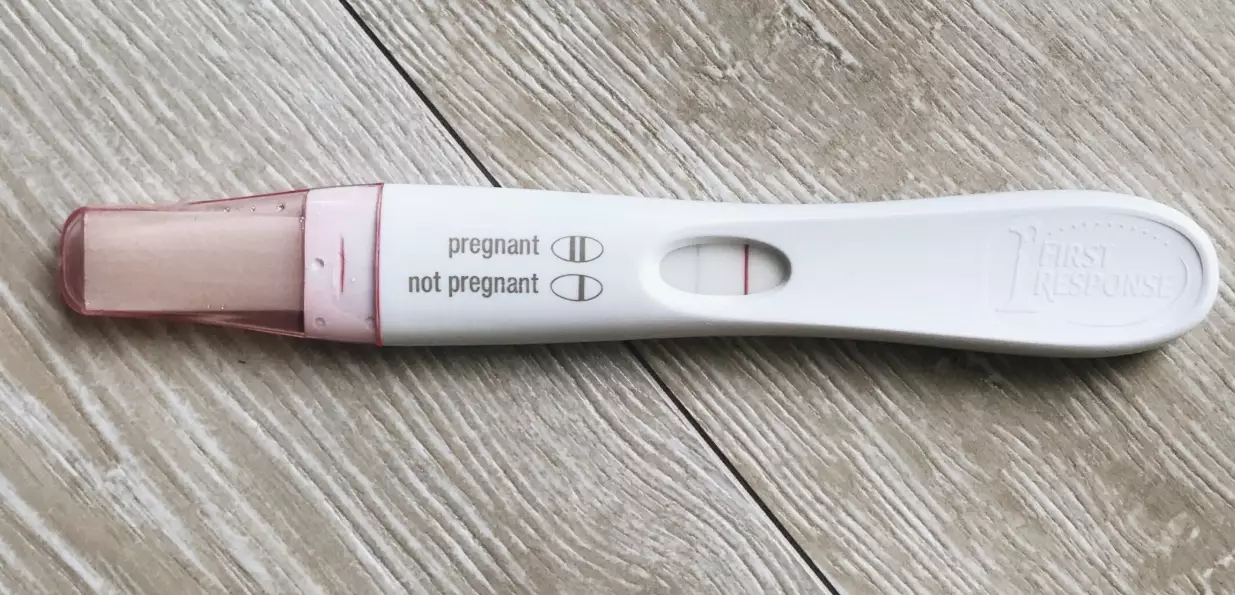
Early Symptoms (Or Lack Thereof!)
Some women feel symptoms immediately, others feel nothing for weeks. Both are completely normal and not an indicator of how healthy the pregnancy is.
- Fatigue: This can be brutal. It's not just tiredness; it's a deep, bone-weary exhaustion. Your body is working overtime.
- Tender, Swollen Breasts: Often one of the first signs, thanks to hormone surges.
- Nausea (Morning Sickness): Can strike any time of day. It often starts around week 6. For some, it's mild queasiness; for others, it's debilitating vomiting (hyperemesis gravidarum).
- Increased Urination: Your kidneys are processing more fluid, and your growing uterus starts pressing on your bladder.
- Food Aversions & Cravings: Suddenly, the smell of coffee might make you gag, or you might need pickles at midnight.
- Mood Swings: Blame the hormones. One minute you're ecstatic, the next you're crying at a commercial.
- Spotting/Implantation Bleeding: Light spotting around the time your period is due can be normal. But any heavy bleeding with cramps should prompt a call to your doctor.
I had almost no symptoms except fatigue with my first, which made me constantly anxious. With my second, the nausea hit at 5 weeks like a freight train. Every pregnancy is its own unique journey.
What NOT to Worry Excessively About (The "Google Spiral")
It's so easy to fall down an internet rabbit hole. Try to keep these in perspective:
"My symptoms disappeared!" Symptoms can come and go. It doesn't necessarily mean anything is wrong. The placenta takes over hormone production around weeks 8-12, which can cause a shift in how you feel.
"I had one cup of coffee before I knew!" Don't panic. The risk from minimal exposure before you knew is extremely low. Just make healthier choices moving forward.
"I lifted something heavy/I had a glass of wine/I didn't take prenatals." Be kind to yourself. You're doing the best you can with the information you had at the time.
Preparing for Your First Prenatal Visit
This appointment is about confirming the pregnancy and laying the groundwork for your care.
They will likely do a urine test (yes, another one) to confirm the pregnancy positive test you got at home. Sometimes they do a blood test to check your hCG levels and possibly your progesterone. An early ultrasound might be scheduled, especially if you have a history of miscarriage, pain, or bleeding, or if you're unsure of your last period date.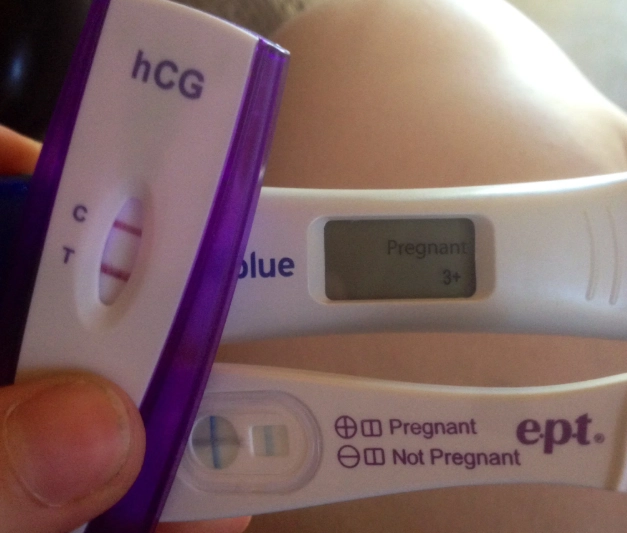
Come prepared with information:
- The first day of your last menstrual period (LMP).
- Your medical history and any chronic conditions.
- A list of all medications and supplements you take.
- Your family medical history and your partner's.
- A list of questions. Write them down so you don't forget in the moment.
Navigating the Emotional Rollercoaster
Let's talk about the mind game. That positive pregnancy test can trigger a flood of emotions, from pure joy to sheer terror, often simultaneously.
It's normal to feel anxious about miscarriage, especially in the first trimester. The statistics are around 10-25%, but they decrease significantly after a healthy heartbeat is seen on an ultrasound (around 8 weeks). The hard truth is that early pregnancy involves a degree of uncertainty. Many find it helpful to adopt the mantra "Today, I am pregnant."
If you've experienced previous loss, this positive test can be terrifying. Be extra gentle with yourself. Consider telling your provider about your history so they can offer additional support and possibly earlier monitoring.
Give yourself permission to feel whatever you feel.
There's no "right" way to react. Some people want to shout it from the rooftops; others want to keep it a secret until the second trimester. Both are perfectly valid choices. Do what feels right for you and your partner.
Final Thoughts: Trusting the Journey
Seeing that positive pregnancy test is just the very beginning of an incredible, challenging, and transformative journey. It opens the door to a thousand more questions, appointments, decisions, and emotions.
The most important thing you can do right now is to take care of yourself—physically and emotionally. Connect with your healthcare provider, lean on your support system, and try to take it one day at a time. Avoid comparing your experience to others you see online. Your pregnancy is uniquely yours.
Whether this was a long-awaited moment or a surprise, you are now navigating one of life's most significant adventures. Trust yourself, ask all the questions you need to, and remember that millions of people have stood where you are, holding that same little stick, feeling that same mix of wonder and worry. You've got this.
Reader Comments