Let's be honest. When you see a "brilliant" child, you wonder: did their parents do something special during pregnancy? As someone who's worked with families for over a decade, I can tell you the answer isn't about playing Mozart 24/7 or reciting calculus to your bump. It's more nuanced, and frankly, more achievable. The goal isn't to engineer a genius but to lay the strongest possible foundation for your baby's brain to grow and thrive. This is your practical, science-backed checklist, stripped of myths and focused on what truly matters.
Your Quick Guide to a Smarter Pregnancy Journey
Nutrition for a Smarter Baby: Building Blocks Matter
Think of your baby's brain as the most complex structure ever built. You wouldn't use cheap, subpar materials for a skyscraper, right? The same logic applies here. Every bite is a delivery of raw materials.
Most lists scream "Folic acid!" and stop there. That's a great start—it prevents neural tube defects—but it's just the foundation. The real construction happens with other nutrients.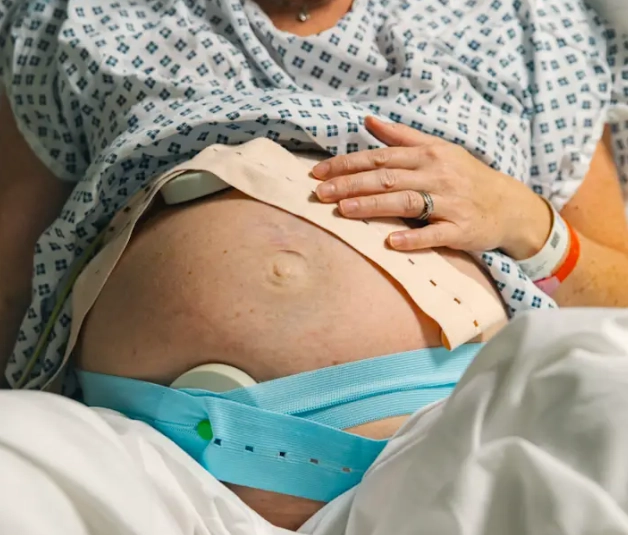
Key Nutrients and Their Food Sources
Here’s where to focus your grocery list. Don't just take supplements and call it a day. Food offers a complex matrix of nutrients that work together.
| Nutrient | Why It's a Brain-Builder | Top Food Sources |
|---|---|---|
| Choline | Critical for memory development and preventing neural tube defects. Many prenatal vitamins skimp on this. | Eggs (the yolk!), lean beef, chicken, fish, broccoli, brussels sprouts. |
| DHA (Omega-3) | Makes up a huge part of the brain's gray matter. Directly supports neuron growth and vision. | Fatty fish (salmon, sardines, herring), algae oil, fortified eggs. |
| Iodine | Essential for thyroid hormone production, which regulates fetal brain development and metabolism. | Iodized salt, dairy products, seaweed, fish. |
| Iron | Carries oxygen to your baby. Iron deficiency anemia in pregnancy is linked to cognitive delays. | Lean red meat, lentils, spinach, fortified cereals (pair with Vitamin C for absorption). |
I remember a client who was vegetarian and worried about protein and iron. We focused on combining lentils with bell peppers (for vitamin C) and adding chia seeds to smoothies. Her levels were perfect, and she felt energized. It's about smart combinations, not just eating more.
A common mistake? Overlooking hydration. Your blood volume increases by nearly 50%. Dehydration can lead to Braxton Hicks contractions and reduced nutrient/oxygen flow. Aim for water, herbal teas, and watery fruits throughout the day.
The Power of Prenatal Bonding and Communication
Your baby isn't a passive passenger. By the second trimester, they can hear, recognize your voice, and even respond to touch. This is where "prenatal stimulation" moves from theory to practice.
Did you know? Studies show newborns prefer and are soothed by stories or songs they heard regularly in the womb over novel ones. That's not a coincidence; it's neural recognition.
Talk, Read, and Respond to Movement
You don't need a special curriculum. Narrate your day. "Okay baby, we're going to the store now. I need to get some of those avocados you like for the healthy fats." Read a book aloud—any book. Your voice's rhythm and cadence are the stimuli.
When you feel kicks or rolls, gently press back and talk. "Gotcha! That was a big one." This early call-and-response lays groundwork for communication.
Music and Sound
Forget the "Mozart Effect" hype. The benefit of music is about pattern, rhythm, and calm. Play music you enjoy—whether it's classical, folk, or ambient. A stressed mom forcing herself to listen to complex symphonies she hates offers zero benefit. The goal is shared calm. Sound travels through amniotic fluid, so keep the volume moderate, like a soft background conversation.
Crafting a Brain-Friendly Prenatal Environment
This is the part most articles gloss over. Your internal environment—what's in your bloodstream—is what reaches your baby.
Avoid Neurotoxins: This is non-negotiable. Alcohol, nicotine, and recreational drugs can directly interfere with brain cell formation and migration. There's no known safe amount during pregnancy. Secondhand smoke is also a significant risk.
Check Your Products: This was my personal wake-up call. I switched to fragrance-free, phthalate-free lotions and cleaners during my second pregnancy after reading the research on endocrine disruptors. The skin is your largest organ. Opting for simpler, cleaner products reduces the chemical load your body has to process. You don't need to be paranoid, just more mindful.
Move Your Body: Regular, moderate exercise like walking, swimming, or prenatal yoga increases blood flow, which means more oxygen and nutrients for your baby. It also helps regulate your mood and sleep. Don't start a new intense regimen, but if you're cleared by your doctor, keep moving.
How to Manage Stress for Optimal Fetal Development
Here's the subtle error many make: they focus solely on the physical checklist and treat stress management as a nice-to-have extra. It's not. Chronic, high stress elevates cortisol, which crosses the placenta.
Research suggests this can affect the baby's developing stress response system (the HPA axis) and may influence temperament. This doesn't mean a stressful day at work is harmful. We're talking about persistent, unmanaged anxiety or distress.
What works?
Mindful Breathing: Not meditation for an hour. Just 5 minutes, twice a day. Inhale for 4 counts, hold for 2, exhale for 6. This activates the parasympathetic nervous system (the "rest and digest" mode).
Build Your Support Circle: Talk to your partner, a friend, a therapist, or a prenatal group. Isolation magnifies stress.
Set Boundaries: Learn to say no. You don't have to host every holiday or meet unreasonable work demands. Protecting your peace is a proactive parenting decision.
I've seen mothers who ate perfectly but were burning the candle at both ends, utterly exhausted. Their babies tended to be more fussy. When they prioritized rest and said no to non-essentials, everything—their health, their mood, and their baby's demeanor—improved.
Your Prenatal Brain Boost Questions, Answered
So, there you have it. A brilliant start isn't about pressure or perfection. It's about consistent, loving attention to the fundamentals: premium fuel, rich communication, a clean and calm environment, and a mother who is as cared for as the baby she's growing. Tick these boxes, and you'll have done everything science currently suggests to give your child the strongest launchpad possible.
Reader Comments