Quick Navigation
- Why Timing is Everything: Understanding Your Cycle
- Possible Early Signs: The Subtle Whisper of Change
- Symptoms You Probably Won't Have at 1 Week Pregnant
- A Side-by-Side Look: Possible vs. Improbable Symptoms
- What Should You Actually Do? A Sensible Action Plan
- Answering Your Burning Questions (FAQs)
- When to Talk to a Doctor
- The Bottom Line: Patience is Your Best Tool
So you're asking, "What symptoms do you have at 1 week pregnant?" Let's be real, the internet is full of lists claiming you'll feel exhausted, nauseous, and have super-smell the second you conceive. I'm here to tell you, it's mostly nonsense. Honestly, it sets people up for so much anxiety. The truth about pregnancy timing is the first thing we need to get straight, because if you don't, you'll spend days analyzing every tiny twinge for no reason.
Here’s the kicker that most articles gloss over: in medical terms, your "first week of pregnancy" often happens before you're even technically pregnant. Doctors calculate your due date from the first day of your last menstrual period (LMP). So, week 1 is actually the week you get your period and your body starts prepping a new egg. Conception typically happens around week 2 or 3. When most people search for "what symptoms do you have at 1 week pregnant," they're really asking about the days immediately after conception. That's what we'll dive into—the very, very early signs that might pop up in the first 7-14 days after the egg and sperm meet.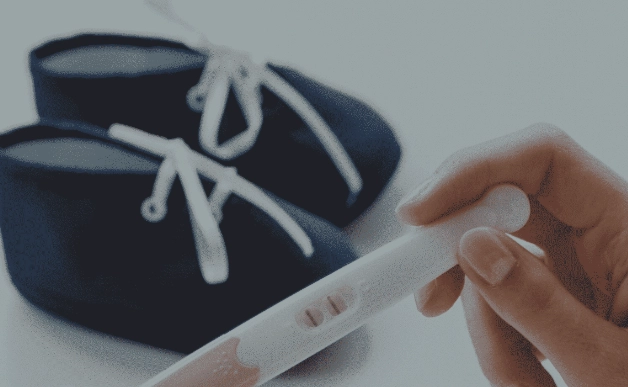
Why Timing is Everything: Understanding Your Cycle
You can't talk about symptoms without understanding where you are in your cycle. It's like trying to guess the weather without knowing the season. Let's break it down simply.
If we're talking about the first week after your last period (medical week 1), you're menstruating. The only "symptoms" are period cramps and bleeding. Not pregnancy.
If we're talking about the first week after conception (what most people mean), you're in what's called the luteal phase. The fertilized egg is traveling down the fallopian tube, dividing like crazy, and heading to the uterus to implant. This journey takes about 6-12 days. No major pregnancy hormones have entered your bloodstream in significant amounts until implantation is complete. That's a crucial fact. The hormone hCG (human chorionic gonadotropin), the one detected by pregnancy tests and blamed for morning sickness, is only produced once the embryo implants. So, asking "what symptoms do you have at 1 week pregnant" (post-conception) is really asking about the effects of the initial surge of progesterone and the very first whispers of hCG.
I remember a friend who was convinced she was pregnant because she felt "different" two days after ovulation. She spent a small fortune on early tests, only for her period to arrive. The disappointment was real. The mind is powerful, and the two-week wait can make you hyper-aware of every little thing.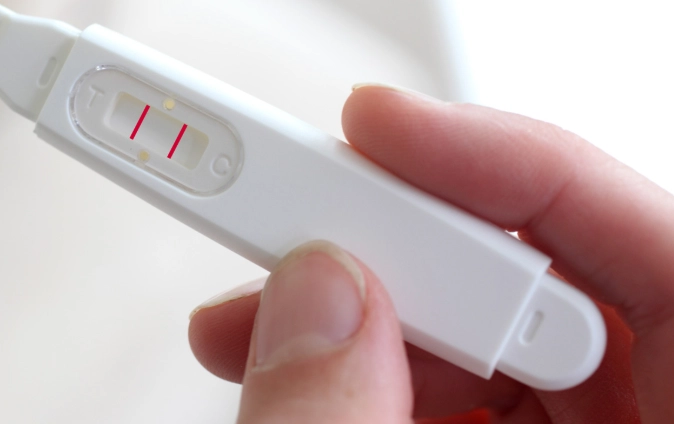
Possible Early Signs: The Subtle Whisper of Change
Okay, let's get to the list. These aren't guarantees, and their absence doesn't mean you're not pregnant. Every single one of these can also be a sign of your impending period. It's a frustrating overlap.
Implantation Bleeding or Spotting
This is the most talked-about potential sign for the "1 week pregnant" timeframe. When the tiny blastocyst (early embryo) burrows into the uterine lining, it can cause a little bleeding. It's usually very light—pink or brown spotting, not bright red flow like a period. It might last a few hours to a couple of days and often happens around the time you'd expect your period. But here's my personal take: it's less common than the internet makes it seem. Many women never experience it, and spotting can happen for dozens of other reasons (ovulation, hormonal fluctuation, irritation). Relying on this as a sure sign is a shaky strategy.
Changes in Basal Body Temperature (BBT)
If you're charting your BBT, you might see a clue. After ovulation, your temperature rises due to progesterone. If you're pregnant, it often stays elevated beyond your usual luteal phase length. If it drops, your period is likely coming. This is a more objective sign, but it requires you to have been tracking for a while to know your pattern. It's not a symptom you "feel," but it's data your body provides.
Fatigue
This isn't the "can't-get-off-the-couch" fatigue of later pregnancy. It's more of a deep, profound tiredness that feels out of proportion to your day. Your body is using massive amounts of energy to build the placenta and support the early pregnancy. Progesterone is also a central nervous system depressant. You might find yourself wanting a nap at 2 PM for no apparent reason.
Breast Tenderness and Changes
Your breasts might feel sore, heavy, tingly, or fuller. The areolas (the area around the nipple) might darken slightly or look more bumpy (those are Montgomery's tubercles, and they're there to lubricate the area). Again, progesterone is the culprit here. The frustrating part? My breasts get sore before my period every single month. So for me, this sign is utterly useless. It only meant something when it was combined with other clues and, ultimately, a positive test.
Mild Cramping or Twinges
You might feel light, period-like cramps or odd twinges/pulling sensations in your lower abdomen. This can be due to implantation, the uterus beginning to stretch, or just general hormonal activity. It's usually milder than menstrual cramps. I felt these—little pinpricks or dull aches that came and went. I almost dismissed them as gas!
Mood Swings and Emotional Sensitivity
The hormonal rollercoaster can start early. You might feel unusually tearful, irritable, or emotionally raw. One minute you're fine, the next a sad commercial has you in tears. It's the surge of progesterone and estrogen, messing with your neurotransmitters. It feels identical to PMS moodiness for many women.
Changes in Cervical Mucus
After implantation, some women notice a return of creamy or milky cervical mucus. During the post-ovulation phase, it often dries up. A renewed increase can be a hint, but it's subtle and requires you to be very in tune with your body.
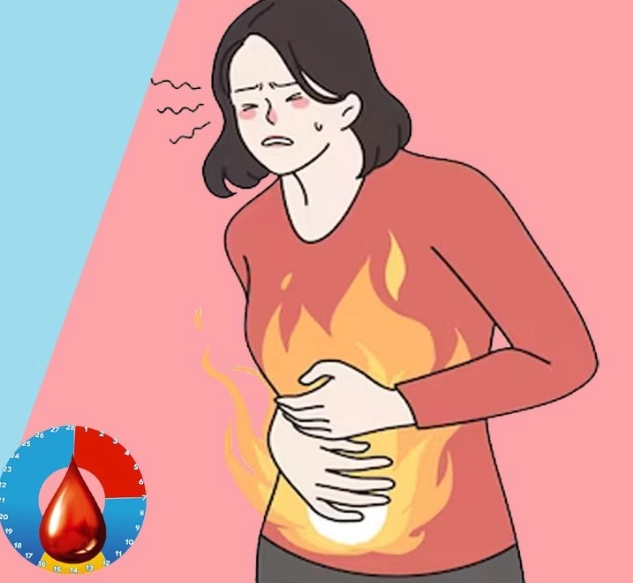
Symptoms You Probably Won't Have at 1 Week Pregnant
This is just as important. Managing expectations prevents unnecessary worry. If you're experiencing these, it's likely due to something else (like a virus or your period).
- Morning Sickness/Nausea: This is caused by higher levels of hCG, which aren't significant enough until several weeks after conception. True nausea typically starts around week 5 or 6.
- Food Aversions or Cravings: Same story. These are hormonally driven and come later.
- Frequent Urination: This happens later when the growing uterus puts pressure on your bladder. At one week, the embryo is the size of a poppy seed—no pressure yet!
- Noticeable Weight Gain or Bloating: Any bloating is hormonal (progesterone slows digestion) and, again, identical to pre-period bloat.
- Positive Pregnancy Test: Most home tests aren't sensitive enough to detect the low levels of hCG present at one week post-conception. Testing this early will likely result in a false negative and heartbreak.
I think the worst advice out there is telling women to look for nausea at one week. It just creates panic if they don't have it, or false hope if they have an upset stomach from lunch.
A Side-by-Side Look: Possible vs. Improbable Symptoms
| Possible at ~1 Week Post-Conception | Very Unlikely at ~1 Week Post-Conception |
|---|---|
| Light implantation spotting (pink/brown, brief) | Full-blown morning sickness with vomiting |
| Subtle fatigue beyond the usual | Strong food aversions or cravings |
| Breast tenderness & fullness | Frequent trips to the bathroom to urinate |
| Mild cramping or twinges | A clearly positive home pregnancy test (unless very sensitive/early) |
| Elevated basal body temperature (if charting) | Visible baby bump or significant weight gain |
| Mood swings & emotional sensitivity | Feeling fetal movements (that's months away!) |
What Should You Actually Do? A Sensible Action Plan
Googling "what symptoms do you have at 1 week pregnant" is a rite of passage, but it leads to more stress than answers. Here's a better plan.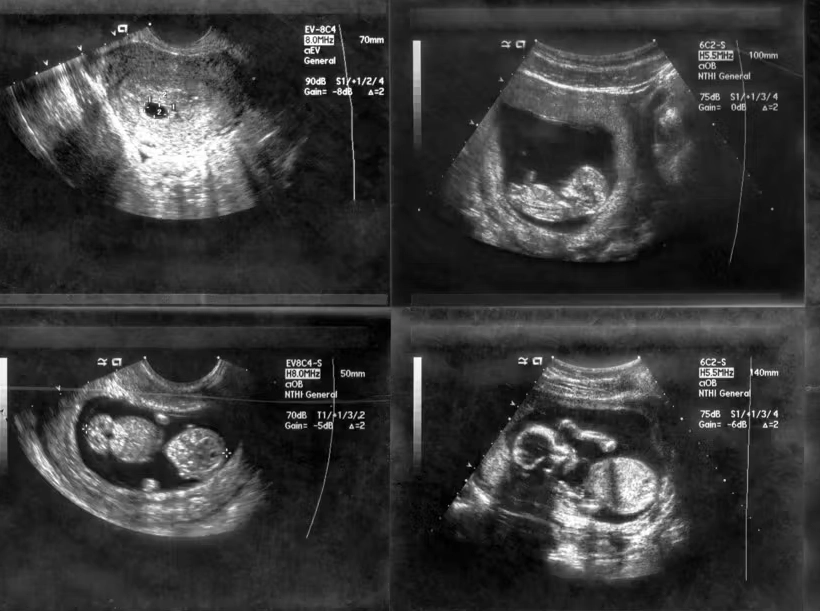
First, live your life normally. Don't put everything on hold. Exercise (if your doctor permits), eat a balanced diet, and try to manage stress. High stress can actually delay ovulation or your period, confusing everything further.
Second, start or continue taking a prenatal vitamin with at least 400 mcg of folic acid. This is the single most important thing you can do for early fetal development, particularly for preventing neural tube defects. The neural tube forms in the first month, often before you know you're pregnant. The CDC strongly recommends all women of reproductive age take folic acid daily.
Third, avoid harmful substances. If there's a chance you're pregnant, it's wise to avoid alcohol, recreational drugs, and limit caffeine. Also, review any medications you're on with your doctor. The American College of Obstetricians and Gynecologists (ACOG) has great resources on preconception health.
Fourth, wait to test. I know the urge is unbearable. But testing too early is a waste of money and emotional energy. The most reliable results come from a test taken after your missed period. If you have irregular cycles, wait at least 14 days after unprotected sex. Use your first-morning urine, as it's most concentrated. If you get a negative but still no period, test again in a few days.

Answering Your Burning Questions (FAQs)
Let's tackle the specific worries that pop up after you search "what symptoms do you have at 1 week pregnant."
Is it normal to have NO symptoms at 1 week pregnant?
Absolutely, completely normal. In fact, it's the most common scenario. The absence of symptoms does not mean the pregnancy isn't progressing. Many women feel perfectly ordinary until weeks 5 or 6. Consider yourself lucky if you have a symptom-free start!
What does implantation bleeding really look like?
It's not bleeding in the usual sense. Think more along the lines of light spotting. The color is often pinkish or brownish (old blood). It's not enough to fill a pad or tampon—often just a few drops on toilet paper or in your underwear. It doesn't contain clots like a period might. If you have heavy bleeding, see a doctor.
Can you feel implantation happening?
Not specifically. Some women report mild cramps or a pinching feeling around the time implantation occurs, but there's no way to be sure that's what you're feeling. It could be digestive cramps, ovarian cysts, or normal uterine activity.
How accurate are early pregnancy tests?
They've gotten better, but they're not magic. Tests advertise "6 days before your missed period," but that's under ideal lab conditions with perfect timing. Their accuracy is much lower that early. According to the Mayo Clinic, the best time to take a test is after your missed period for the most reliable result. A negative test before your missed period is not definitive.
If I have period-like cramps, does that mean I'm not pregnant?
Not at all. As we discussed, mild cramping is a common early sign. Your uterus is already preparing and expanding. The key difference is often intensity (lighter) and sometimes duration. But it's a notoriously unreliable differentiator.
When to Talk to a Doctor
Most early pregnancy concerns are just that—concerns. But know the red flags.
Contact a healthcare provider if you experience severe one-sided abdominal pain (which could indicate an ectopic pregnancy), heavy bleeding (soaking a pad in an hour), or intense pain with dizziness. These are rare but serious. For general guidance on early pregnancy, resources from organizations like the American College of Obstetricians and Gynecologists (ACOG) are invaluable.
Once you get a positive test, call your doctor or midwife to schedule your first prenatal appointment. They'll confirm the pregnancy and guide you through next steps.
The Bottom Line: Patience is Your Best Tool
Searching for "what symptoms do you have at 1 week pregnant" is a natural impulse when you're hoping for a baby. The anticipation is thrilling and nerve-wracking. But the honest answer is: you might feel a few subtle, confusing signs, or you might feel nothing at all. And both are perfectly okay.
The early stages of pregnancy are a silent, microscopic miracle. Your body is doing profound work long before it sends you obvious signals. Obsessing over every potential symptom can rob you of peace during this time.
My final piece of advice? Take care of your body with good food, vitamins, and rest. Distract yourself as best you can during the two-week wait. And when the time is right, take the test. Whether the answer is yes or no, you'll have a clear path forward, which is far better than being lost in a sea of vague symptoms and Google searches.
Remember, the journey is just beginning. Whether you're looking for symptoms at one week pregnant or simply wondering what comes next, trust that your body knows what it's doing. Give it time to tell you its story.
Reader Comments