Sarah sat across from me, her hands wrapped tightly around a coffee mug. At 41, with a thriving career and a recent marriage, she had one burning question that felt too heavy to ask out loud in her prenatal yoga class: “Is it even possible for me to have a healthy baby now?” The internet was a minefield of scary statistics and overly simplistic “yes, you can!” platitudes. She needed reality, not rhetoric.
The short, direct answer is yes, absolutely. Thousands of women in their forties have healthy pregnancies and deliver healthy babies every year. But let’s not sugarcoat it. The journey at 40 looks different than it did at 30. It comes with a different set of statistics, requires more proactive planning, and often involves navigating a medical system that can sometimes lead with fear instead of facts.
This guide isn't about fear-mongering or empty optimism. It's a roadmap based on current medical understanding, the experiences of countless women, and the practical steps that tilt the odds in your favor. We'll look at the numbers, break down the real risks, and—most importantly—outline exactly what you can do to support your body and your future baby.
What You’ll Learn
The Statistical Reality: What the Numbers Actually Say
Let's get the data on the table. It’s the first thing you see when you search, and it can be jarring. But context is everything.
Fertility naturally declines with age. By 40, a woman’s ovarian reserve—the number and quality of eggs—is lower. The Centers for Disease Control and Prevention (CDC) tracks fertility treatment success rates, and the data shows a clear trend. For natural conception, the chance per cycle is around 5% at 40, compared to 20-25% at 25.
But here’s where people get stuck on the numbers and miss the bigger picture. These are population-level statistics. They don’t account for your individual health, genetics, or lifestyle. They also don’t tell the story of cumulative success over time. Many healthy 40-year-olds do conceive naturally; it just often takes longer, which is why doctors recommend seeking help sooner (after 6 months of trying instead of 12).
A Quick Look at Relative Risks
This table compares key pregnancy-related risks at age 40 versus age 30. Remember, a “higher risk” often means going from a very low chance to a low chance. It’s about perspective and proactive management.
| Condition / Outcome | Approximate Risk at Age 30 | Approximate Risk at Age 40 | Key Takeaway |
|---|---|---|---|
| Chromosomal Abnormality (e.g., Down Syndrome) | ~1 in 950 | ~1 in 100 | Significant increase, but modern screening (NIPT) is highly accurate and available early. |
| Miscarriage | ~10-15% | ~30-35% | Mostly linked to egg chromosomal issues. A healthy pregnancy confirmed by ultrasound at 8+ weeks has a much lower risk. |
| Gestational Diabetes | ~5-7% | ~12-15% | Closely linked to pre-pregnancy metabolic health. Diet and exercise before conception are powerful preventative tools. |
| Cesarean Delivery | ~30% | ~45-50% | Often related to other risk factors (like blood pressure) that develop during pregnancy. Not an inevitability. |
Staring at the right-hand column can be unsettling. But the “Key Takeaway” column is where your power lies. For almost every increased risk, there is a monitoring protocol, a preventative strategy, or a highly effective screening test. Your job isn’t to fear the numbers; it’s to understand them so you can work with your doctor to navigate them.
A Medical Perspective on Risks and Realities
I’ve talked to many obstetricians and reproductive endocrinologists over the years. The good ones—the ones who support women through successful later-in-life pregnancies—frame it like this: Advanced maternal age is a risk factor, not a diagnosis. It’s one piece of your health profile, not the defining one.
The two biggest medical themes for pregnancy after 40 are egg quality and metabolic health.
Egg Quality: This is the primary driver behind the increased rates of miscarriage and chromosomal conditions. As eggs age, they are more prone to errors during cell division. This is a biological reality. However, it’s not a uniform process. Some 40-year-olds have better ovarian reserve markers than some 35-year-olds. Testing (like AMH and FSH) gives you a snapshot, not a fate. And while you can’t make new eggs, you can support the cellular environment of the ones you have through excellent nutrition and avoiding toxins.
Metabolic Health: This is the area where you have enormous control. Your body’s ability to manage blood sugar and blood pressure becomes more critical with age. Conditions like insulin resistance often creep up silently in our late 30s. If you go into pregnancy with even mild, undiagnosed insulin resistance, your risk for gestational diabetes and high blood pressure skyrockets. This is the “silent” risk that many women overlook because they feel fine. A preconception blood panel that includes fasting insulin and glucose is non-negotiable in my book.
A common mistake I see? Women focusing all their energy on expensive “egg quality” supplement cocktails while ignoring their fasting blood sugar or vitamin D levels. The foundation matters most.
Your Action Plan: How to Prepare Your Body
This is where hope turns into action. Think of this as a project plan for the most important project of your life. It’s empowering.
Preconception Checkup: Your First Step
Don’t just schedule a regular physical. Ask for a preconception consultation. This should be with an OB-GYN who is experienced with advanced maternal age or, even better, a reproductive endocrinologist (RE). Come with a list. Here’s what to ask for:
- Bloodwork: Full panel including thyroid (TSH), Vitamin D, Iron/Ferritin, AMH, FSH, and a metabolic panel with fasting insulin and glucose.
- Vaccination Check: Ensure immunity to Rubella and Chickenpox.
- Chronic Condition Review: Optimize management of any existing issues like hypertension, diabetes, or autoimmune disorders.
- Medication Audit: Review all prescriptions and over-the-counter meds for pregnancy safety.
- Genetic Carrier Screening: A simple blood test to see if you and your partner carry genes for conditions like cystic fibrosis.
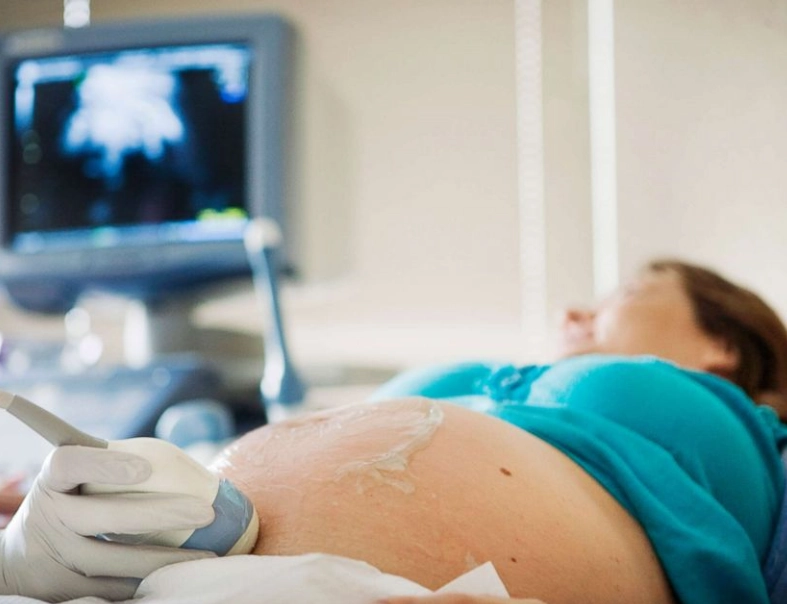
This visit sets your baseline. It tells you what you’re working with.
Lifestyle: The Non-Negotiables
Forget quick fixes. We’re building a foundation for ten months of pregnancy.
- Nutrition: Shift to a blood-sugar-stabilizing diet now. Think high protein, high fiber, healthy fats, and complex carbs. Prioritize leafy greens, berries, nuts, and lean proteins. Start a high-quality prenatal vitamin with methylfolate (not just folic acid) at least 3 months before conception.
- Movement: Build a habit of regular, moderate exercise. Strength training is gold—it improves insulin sensitivity and prepares your body for carrying pregnancy weight. Aim for 150 minutes per week.
- Toxins: This isn’t just about alcohol and smoking (which you must stop). Look at your skincare. Switch out products with retinoids and high-dose salicylic acid. Be mindful of environmental toxins like BPA in plastics.
- Stress & Sleep: Chronic stress raises cortisol, which can disrupt ovulation and implantation. It’s not about eliminating stress (impossible), but about building recovery tools. Prioritize 7-8 hours of sleep. It’s when your body repairs itself.
One specific, under-discussed tip: Get your dental health in order. Treat any gum disease. There’s a established link between periodontal disease and preterm birth. A deep cleaning before pregnancy is a smart move.
Beyond Statistics: Real Stories and Real Hope
Statistics live on spreadsheets. Hope lives in stories. In my own circle, I know a journalist who had her first, healthy baby at 42 after a straightforward pregnancy. I know a teacher who conceived naturally at 41 and delivered a thriving boy. Their common threads? They were proactive. They got the preconception checkup. They cleaned up their diets. They managed their stress. They partnered with supportive, not fearful, doctors.
The American Society for Reproductive Medicine (ASRM) notes that with appropriate prenatal care, the majority of women over 40 have healthy pregnancies. The system is set up to monitor you more closely—more ultrasounds, more glucose tests. This isn’t a punishment; it’s a form of intensive support. Embrace it.
Your Questions, Answered Honestly

So, back to the original question: Can you have a healthy baby at 40? The path is clearer than ever. It demands more from you in terms of preparation and partnership with your medical team. It requires you to be a savvy advocate for your own health. But for thousands of women each year, the answer is a resounding, joyful yes. It starts with one step: deciding to get the information and build the plan that’s right for you.
Reader Comments