In This Guide
Let's be real for a second. The moment that second line appears on the pregnancy test, a weird thing happens. Suddenly, every single thing you put in your body feels like a potential landmine. That morning coffee? Side-eye. The painkiller you used to pop for a headache without a second thought? Now it's a full-blown Google research project. And the biggest question mark of all seems to hover over the medicine cabinet. Which tablets are used during pregnancy safely? It's a question that keeps countless moms-to-be up at night, scrolling through conflicting forum posts at 2 AM.
I remember my own sister during her first pregnancy. She had a brutal sinus infection and spent days agonizing over whether she could take anything at all, suffering through it because she was terrified of harming the baby. That's a terrible place to be. The truth is, you don't have to white-knuckle your way through every sniffle and ache. There are safe paths forward, but you need a reliable map. This guide is that map. We're going to cut through the noise and look at the tablets you might actually need—from the essential vitamins to the approved meds for common problems—and, just as importantly, the ones you must steer clear of.
The Non-Negotiables: Essential Supplements for a Healthy Pregnancy
Before we even get to treating problems, let's talk about foundation. These are the tablets used during pregnancy not to fix something wrong, but to build something right. Think of them as construction materials for your growing baby.
Prenatal Vitamins: Your Daily Powerhouse
This is the one tablet almost every single pregnant person is told to take, and for excellent reason. A good prenatal vitamin is like an insurance policy against nutritional gaps. Your body's demands for certain nutrients skyrocket, and food alone sometimes can't keep up. The American College of Obstetricians and Gynecologists (ACOG) strongly recommends them, stating they are crucial for fetal development. But what's actually in them?
- Folic Acid (Folate): This is the superstar. Taking at least 400-800 micrograms daily before conception and during early pregnancy dramatically reduces the risk of neural tube defects like spina bifida. It's so important that it's fortified in breads and cereals in many countries.
- Iron: Your blood volume increases by nearly 50% to support the placenta and baby. Iron is essential to make the hemoglobin that carries oxygen. Deficiency leads to anemia, which causes crushing fatigue (beyond the usual pregnancy tiredness).
- Calcium & Vitamin D: Baby needs calcium to build bones and teeth. If you don't consume enough, it'll leach from your own bones. Vitamin D ensures that calcium is absorbed properly. It's a team effort.
- DHA: An omega-3 fatty acid critical for baby's brain and eye development. Some prenatals include it, others have it as a separate supplement.
A quick personal gripe: some prenatal vitamins are like horse pills and can make nausea worse. If that's you, don't suffer! Talk to your doctor about chewable or gummy options, or taking it at night. The brand matters less than the consistent habit.
Specialist Supplements: When You Need a Bit More
Depending on your health, diet, or specific pregnancy symptoms, your provider might recommend extra tablets.
| Supplement | Primary Role in Pregnancy | Commonly Recommended For | Notes & Cautions |
|---|---|---|---|
| Iron (additional) | Prevent/treat iron-deficiency anemia | Women with low iron stores, vegetarians/vegans, those carrying multiples. | Can cause constipation. Take with vitamin C (orange juice) for better absorption, not with calcium. |
| Vitamin B6 | Reduce nausea and vomiting (morning sickness) | First-trimester nausea, often combined with Doxylamine (Unisom). | A first-line, drug-free approach. Dosage should be guided by a doctor (typically 10-25 mg every 8 hours). |
| Magnesium | May help with leg cramps, constipation, and possibly preeclampsia support. | Painful leg cramps, constipation, high-risk for preeclampsia (under strict supervision). | Forms like magnesium citrate can have a laxative effect. Not all forms are equal; discuss with provider. |
| Probiotics | Support gut health and immune function; may reduce risk of gestational diabetes & preeclampsia. | General wellness, history of yeast infections, aiming for vaginal birth (to seed baby's microbiome). | Strains like Lactobacillus rhamnosus GG are well-studied. Choose reputable brands. |
See, it's not just one magic pill. It's a toolkit. Which tablets are used during pregnancy for foundational health depends entirely on your individual blueprint.
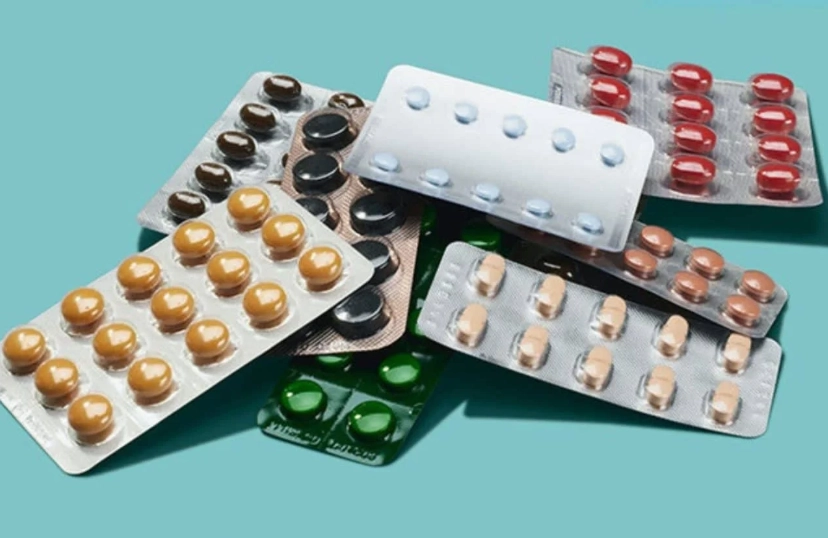
When You're Not Feeling Well: Safe Over-the-Counter (OTC) Options
Okay, so you're taking your prenatal. Great. But what about when you actually need to take something? You wake up with a pounding headache, or a cold has you completely stuffed up. The panic sets in. Breathe. There are options.
Pain and Fever: The Acetaminophen (Paracetamol) Rule
For general aches, pains, headaches, and fever, acetaminophen (Tylenol, Panadol) is widely considered the first-choice pain reliever and fever reducer during all trimesters. Major health bodies, including the U.S. Food and Drug Administration (FDA) and the UK's National Health Service (NHS), have long cited it as the preferred option when medication is necessary.
But here's the nuance that often gets lost: it should be used at the lowest effective dose for the shortest possible time. Don't take it preemptively for minor discomfort. Use it when you genuinely need relief. And never exceed the recommended daily dose, as overdose can cause severe liver damage.
Now, what about ibuprofen (Advil, Motrin) or naproxen (Aleve)? This is critical. Most experts recommend avoiding NSAIDs (non-steroidal anti-inflammatory drugs) during pregnancy, particularly after 20 weeks. They can affect the baby's kidney function and reduce amniotic fluid. The FDA has a specific warning against using them in the second half of pregnancy. Some providers might say a single, occasional dose early on might be okay, but this is a firm "ask your doctor" zone. It's just not worth the risk when acetaminophen is a safer alternative.
Colds, Allergies, and Congestion
This is where it gets tricky because cold meds are usually cocktails of multiple drugs. The best approach? Treat individual symptoms with single-ingredient medicines.
- Stuffy Nose: Saline nasal sprays or drops are the safest first line—they're just salt water. For more severe congestion, some providers may approve plain pseudoephedrine (Sudafed) in the second or third trimester, but it's often avoided in the first trimester due to a slight potential risk. Phenylephrine is generally considered less effective and not a clear winner on safety. Steam inhalation is a fantastic drug-free helper.
- Cough: For a dry, tickly cough, dextromethorphan (the "DM" in many syrups) is often categorized as likely safe in standard doses. However, honey and lemon in warm water is the classic, effective, and zero-risk go-to. For a chesty cough with mucus, guaifenesin (Mucinex) is sometimes used, but staying hydrated to thin mucus is just as important.
- Sore Throat: Warm salt water gargles. Lozenges with benzocaine or menthol are usually considered okay for occasional use, but again, simple remedies first.
- Allergies: Loratadine (Claritin) and cetirizine (Zyrtec) are newer-generation antihistamines often recommended as preferred choices. The older drug chlorpheniramine is also considered low-risk but can cause significant drowsiness. Diphenhydramine (Benadryl) is sometimes used short-term but is very sedating.
You see the pattern? Single ingredient, lowest dose, shortest duration. And never assume a multi-symptom cold pill is safe—you might be taking something you don't need that carries more risk.
Heartburn and Indigestion
Oh, the fire-breathing dragon of later pregnancy! As your uterus grows, it pushes on your stomach. Antacids like Tums, Rolaids, or Mylanta (containing calcium carbonate or magnesium hydroxide) are generally safe and provide quick relief. For more persistent issues, H2 blockers like famotidine (Pepcid) and ranitidine (Zantac)—though the latter had past contamination issues—are commonly used. Proton pump inhibitors (PPIs) like omeprazole (Prilosec) are also an option for severe cases. Lifestyle changes (smaller meals, not lying down after eating) are the first step, but these medications can make life livable.
Nausea and Vomiting (Beyond B6)
If vitamin B6 alone isn't cutting it, the next step is often combining it with the antihistamine doxylamine (Unisom SleepTabs—must be the tablet form containing doxylamine succinate, not the gel caps). This combination is so effective and well-studied it's actually the ingredient in the prescription drug Diclegis. For more severe cases, like Hyperemesis Gravidarum (think Princess Kate-level sickness), prescription medications like ondansetron (Zofran) might be used. The use of ondansetron is sometimes debated, with some studies suggesting a very small potential risk, so it's reserved for when benefits clearly outweigh risks. This is a prime example of why professional guidance is non-negotiable.
The Absolute No-GOs: Tablets to Avoid at All Costs
This part is scary but necessary. Knowing what to avoid is just as important as knowing what to take. Some medications are known to cause serious birth defects or pregnancy complications.
Isotretinoin (Accutane): This acne drug is infamous. It causes severe, life-threatening birth defects at an extremely high rate. There are strict pregnancy prevention programs in place for a reason. If you're on it, you must use two forms of birth control and have regular pregnancy tests.
ACE Inhibitors & ARBs: Blood pressure medications like lisinopril or losartan. They can cause fetal kidney damage, low amniotic fluid, and bone malformations, especially in the second and third trimesters.
Warfarin (Coumadin): A blood thinner that can cause fetal bleeding and birth defects. Women who need anticoagulation during pregnancy (e.g., for a mechanical heart valve) are switched to heparin injections, which don't cross the placenta.
Certain Antibiotics: Tetracyclines (like doxycycline) can discolor the baby's developing teeth and affect bone growth. Fluoroquinolones (like ciprofloxacin) are generally avoided due to potential effects on cartilage. Sulfonamides (like Bactrim) are usually avoided in late pregnancy due to a risk of jaundice in the newborn. Important: Untreated bacterial infections are also dangerous. If you need an antibiotic, your doctor will prescribe one that is pregnancy-safe, like most penicillins or cephalosporins.
Methotrexate: Used for autoimmune diseases and cancer. It's a major teratogen (causes birth defects) and is contraindicated.
The takeaway? If you have a chronic condition (high blood pressure, epilepsy, depression, etc.), do not stop your medication abruptly upon finding out you're pregnant. This can be more harmful. Instead, call your doctor immediately to create a safe management plan. Many conditions have safer alternative medications for pregnancy.
Answering Your Burning Questions: The Pregnancy Tablet FAQ
- Your Doctor/Pharmacist: They have access to detailed databases like Briggs' Drugs in Pregnancy and Lactation.
- The U.S. Food and Drug Administration (FDA): They have drug labeling information, though their old pregnancy letter categories (A, B, C, D, X) were replaced with more detailed narratives.
- The American College of Obstetricians and Gynecologists (ACOG): They publish practice bulletins and committee opinions on medication use.
- MotherToBaby: A service of the Organization of Teratology Information Specialists (OTIS), providing free, evidence-based fact sheets.
- UK Teratology Information Service (UKTIS) via the NHS website: Provides the "Bumps" (Best Use of Medicines in Pregnancy) leaflets.
Putting It All Together: Your Action Plan
So, after all this, what's the bottom line on which tablets are used during pregnancy? It's not a one-size-fits-all list. It's a framework for making smart, safe decisions.
- Build Your Foundation: Start a prenatal vitamin with adequate folic acid as soon as you start trying or find out you're pregnant. Discuss any additional supplements (like iron, DHA) with your provider.
- Prepare Your Toolkit: At a prenatal visit, ask your doctor or midwife for a shortlist of approved OTC medications for common issues (headache, cold, heartburn, constipation). Write it down.
- Practice the "Pregnant Pause": Before taking ANY pill—prescription, OTC, or herbal—pause. Ask yourself: Do I really need this? What is the lowest dose that might work? Have I cleared this with my provider for this specific symptom?
- Communicate Relentlessly: Tell every healthcare professional you see—your dentist, your dermatologist, your physiotherapist—that you are pregnant. Keep a current list of all medications and supplements you are taking in your pregnancy notes.
- Trust, but Verify: Trust your provider's advice, but don't be afraid to ask questions. "Why is this the best choice?" "Are there non-drug options?" "What are the potential risks?" A good provider will welcome these questions.
Navigating pregnancy tablets can feel overwhelming, but it doesn't have to be terrifying. The key is moving from a place of fear and uncertainty to one of informed partnership with your care team. You've got enough to worry about—let this be one area where you feel confident and prepared. Now, go drink some water (see, a safe and always-recommended remedy!) and give yourself some credit. You're already doing the research to keep your little one safe, and that's what matters most.
Reader Comments