At 12 weeks pregnant, you're hitting a major milestone. The first trimester is almost over, and the risk of miscarriage drops significantly. But the most common question I get from moms at this stage is a simple one with a fascinating answer: where exactly is the baby located? The short answer is, your baby is still tucked deep inside your pelvis, but it's starting a big move. It's no longer just a cluster of cells; it's a tiny, fully-formed human being making itself at home in your expanding uterus. Let's get into the specifics of its position, what's developing, and what you can actually expect to see and feel.
Quick Navigation: Your 12-Week Guide
Understanding Your 12-Week Fetus: Size, Position, and Development
So, where is the baby located in 12 weeks? Picture your uterus. For the first trimester, it's been a pelvic organ, snug behind your pubic bone. At around 12 weeks, it's grown large enough that the top part (the fundus) begins to rise up out of the pelvis and into your lower abdomen. Your baby is inside that uterus, floating in amniotic fluid. It's still relatively low, but it's beginning its journey upward as your uterus expands to make room.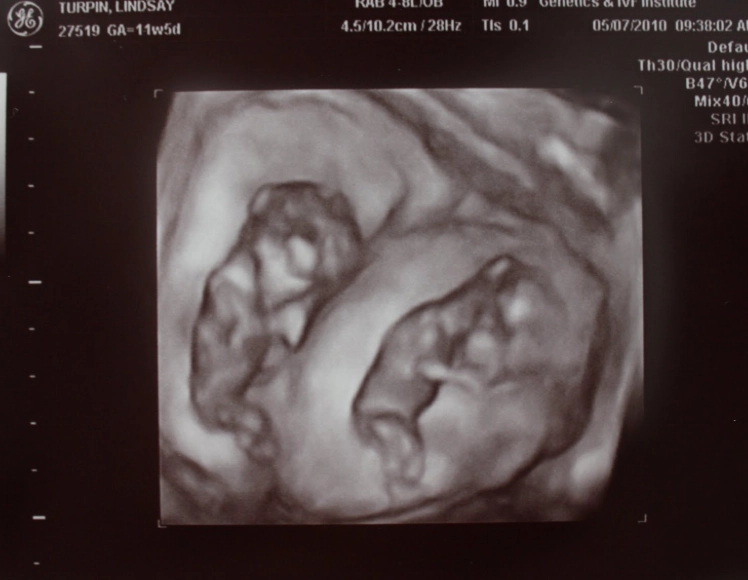
The baby itself is about the size of a lime or a plum. We're talking roughly 2.1 inches (5.4 cm) from crown to rump and weighing close to half an ounce (14 grams). But size is just the start. The real magic is in the development.
Key Takeaway: At 12 weeks, your baby is transitioning from being solely a "pelvic" resident to becoming an "abdominal" one. You likely won't feel this movement yet, but your uterus is making space.
Every major organ system is now formed and is shifting from the development phase to the growth and maturation phase. This is why the risk of certain birth defects decreases dramatically after this point. Here’s a breakdown of what’s happening:
- Brain & Nerves: The brain is tiny but complex, firing nerve impulses. Reflexes are developing—if you prodded your belly (not that you could feel it), the baby might squint or move its mouth.
- Face: It looks unmistakably human. The eyes, which started on the sides of the head, have moved closer together. The ears are near their final positions. Tiny tooth buds are forming under the gums.
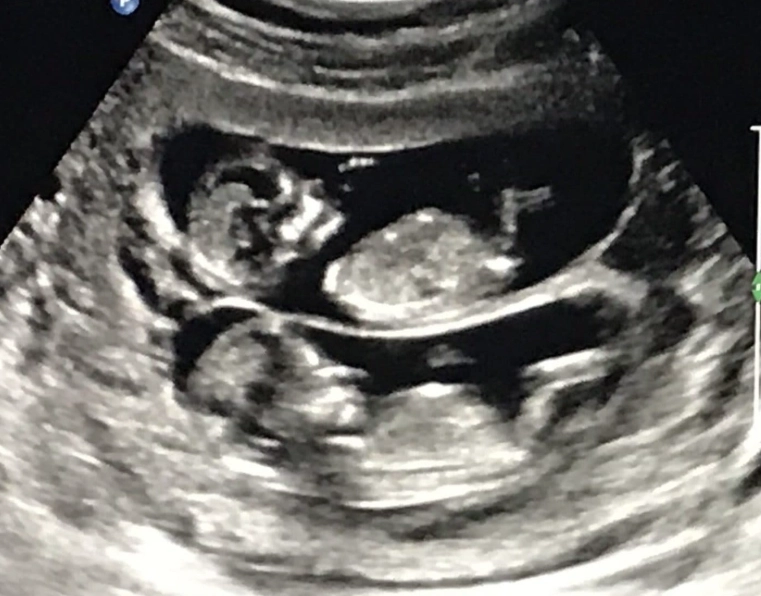
- Limbs & Movement: Fingers and toes have separated and lost their webbed appearance. Nails are beginning to form. The baby is constantly moving—stretching, kicking, and even doing somersaults. You won't feel these "quickening" movements for another month or two, but on an ultrasound, it looks like a little acrobat.
- Internal Organs: The kidneys have started producing urine, which the baby excretes into the amniotic fluid. The liver is making bile. The intestines, which developed partly in the umbilical cord, are starting to move into the abdominal cavity.
Why "Position" Isn't a Big Concern Yet
I see a lot of moms worried about whether their baby is head-up or head-down at 12 weeks. Let me be clear: it doesn't matter one bit at this stage. Your baby has more than enough room to flip, twist, and turn dozens of times a day. Its "position" is temporary and constantly changing. Thinking about it now will only cause unnecessary anxiety. Save that concern for the third trimester.
Your Body at 12 Weeks: Common Symptoms and Changes
Your body is the baby's home, and it's undergoing massive renovations. Knowing what's normal can ease a lot of worries.
For many, the extreme fatigue and nausea (morning sickness) of the early weeks may start to ease around now. It's not a guarantee, but it's a welcome trend for some. However, new symptoms can appear as hormone levels, particularly progesterone, remain high.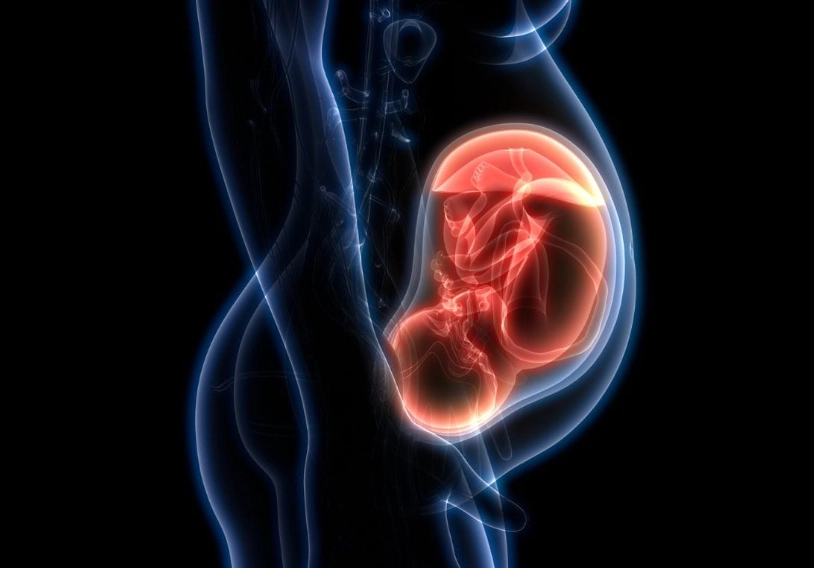
| Symptom | Why It Happens | What You Can Do |
|---|---|---|
| Increased Energy | Placenta is taking over hormone production, easing the toll on your body. | Enjoy it! Take gentle walks, but don't overdo it. Your energy levels can still fluctuate. |
| Visible Veins | Increased blood volume (up to 50% more) to support the baby. | They're normal, often on breasts and belly. They usually fade after pregnancy. |
| Dizziness | Blood vessels are dilated, and blood pressure may be lower. Can also be due to low blood sugar. | Get up slowly from sitting/lying down. Eat small, frequent meals and stay hydrated. |
| Breast Changes | Milk ducts are growing. Areolas may darken and enlarge. | Wear a supportive, non-wire bra. A size up can make a huge difference in comfort. |
| Constipation & Gas | Progesterone relaxes intestinal muscles, slowing digestion. | Increase fiber (prunes, oats, veggies), drink plenty of water, and move regularly. |
You might also notice a slight rounding just below your belly button. This isn't the baby itself—it's your growing uterus. For first-time moms, a "baby bump" often becomes more noticeable between 12 and 16 weeks. If you don't see one yet, that's perfectly normal too. Body shape, muscle tone, and the position of your uterus all play a role.
What Can You See on a 12-Week Ultrasound?
This is often the first detailed look at your baby, and it's breathtaking. The 12-week scan, sometimes combined with the First Trimester Screening (which assesses risk for chromosomal conditions), gives you a clear picture of that little occupant.
On the screen, you'll see your baby's location clearly within the amniotic sac inside the uterus. The sonographer will measure the baby from crown to rump to confirm your due date. They'll check for the presence of a nasal bone and measure the nuchal translucency—a small fluid space at the back of the baby's neck. An increased measurement can be a soft marker for certain conditions.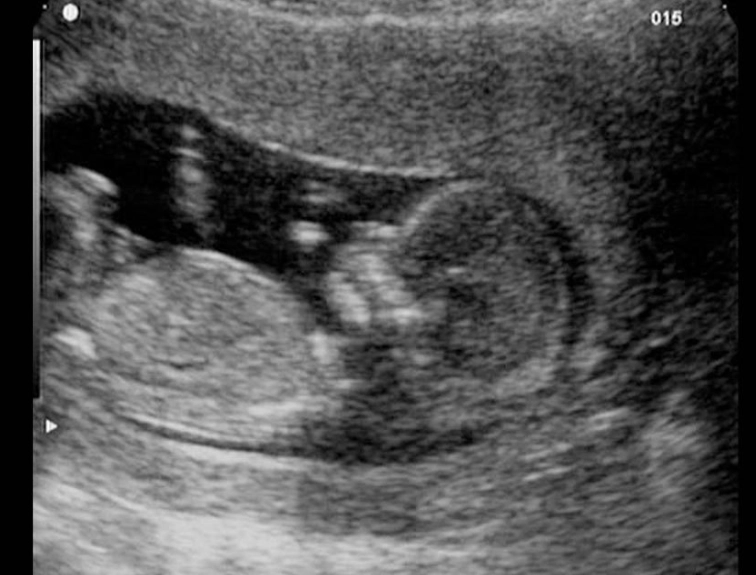
Important: The First Trimester Screening is a risk assessment, not a diagnosis. An abnormal result doesn't mean something is definitively wrong. It simply indicates a higher chance, and your provider will discuss further testing options, like NIPT (Non-Invasive Prenatal Testing) or CVS (Chorionic Villus Sampling). The American College of Obstetricians and Gynecologists (ACOG) provides excellent resources on understanding these tests.
Beyond the medical checks, you'll get to see your baby in action. You might see the heart beating rapidly (around 120-160 beats per minute), watch the baby bring its hand to its mouth, or see it bounce gently against the uterine wall. It makes the whole thing feel wonderfully real.
Addressing Common Concerns and Misconceptions
After years working with expecting parents, I've noticed patterns in their worries at this stage. Let's tackle two big ones.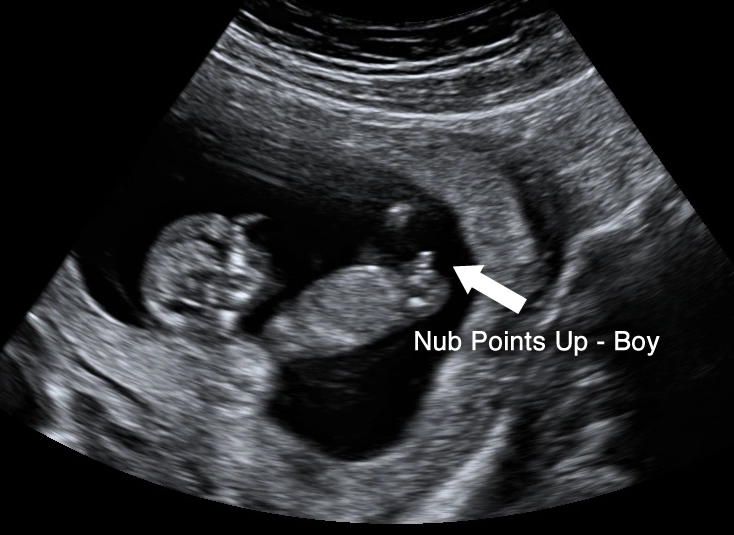
Concern #1: "I don't feel pregnant anymore. Is something wrong?" As nausea subsides and you get a bit more energy, it's common to have days where you "forget" you're pregnant, especially before you're showing or feeling movement. This doesn't mean anything is wrong. The absence of symptoms is not a sign of a problem. Your body is adapting.
Concern #2: "My bump is too small/big." Comparing your belly to others is a surefire way to cause stress. There's an enormous range of normal. A smaller bump could mean you have strong abdominal muscles, a longer torso, or the baby is positioned more toward your back. A larger bump could be due to bloating, a shorter torso, or simply your unique body shape. Your midwife or doctor will measure your fundal height (the top of your uterus) starting around 20 weeks—that's the real gauge of growth.
One subtle mistake I see? People misinterpreting their own anatomy. That firm, rounded feeling low in your belly is often your uterus. The softer area above it is likely your intestines, which are being pushed upward. Don't mistake gas for the baby!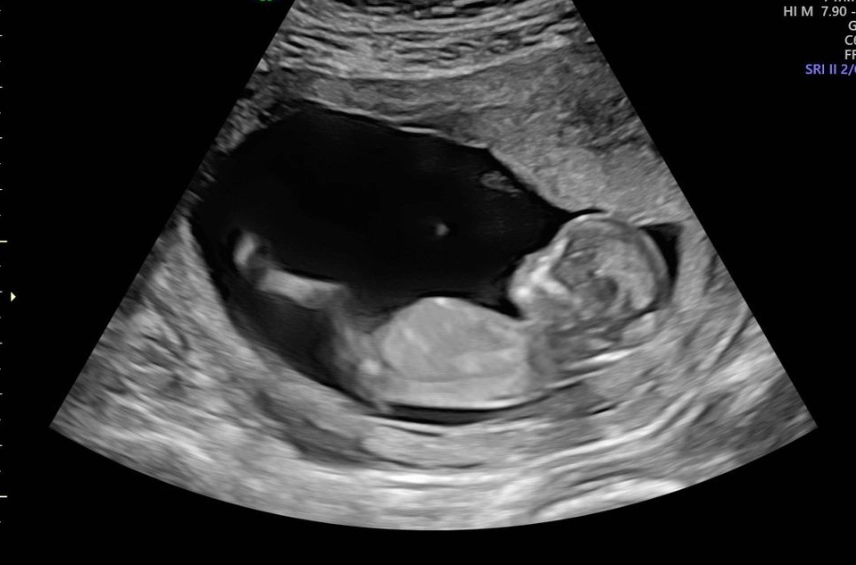
Your Questions, Answered
So, where is your baby at 12 weeks? It's safe, busy, and growing at an incredible rate in its uterine home, which is itself on the move. This is a time of rapid transition and reassurance. You've made it through the delicate early phase. Now, you can start to look forward to the more visible and tangible signs of pregnancy in the weeks to come.
Reader Comments