What You'll Learn in This Guide
Let's cut to the chase. If you're searching "how do I know if I'm 1 day pregnant," you're probably feeling a mix of hope, anxiety, and confusion. Maybe you had unprotected sex yesterday, or you're meticulously tracking your cycle and every little twinge feels like a sign. I've been there. As someone who's worked in women's health education for over a decade, I've seen hundreds of women wrestle with this exact question. Here's the honest answer you need: medically, it's virtually impossible to know you're pregnant just one day after conception. But that doesn't mean your question is invalid. This guide will walk you through why, what you can look for, and how to navigate the waiting game without driving yourself crazy.
The Straight Truth About Being 1 Day Pregnant
First, we need to define our terms. When people say "1 day pregnant," they usually mean one day after sex or one day after ovulation. But pregnancy doesn't start the moment sperm meets egg. It's a process.
What Actually Happens in the First 24 Hours?
Conception, if it occurs, happens when a sperm fertilizes an egg in the fallopian tube. This fertilized egg is called a zygote. For the first day or so, it's just a single cell dividing as it travels toward the uterus. No pregnancy hormones (hCG) are produced yet. Your body has no idea anything has changed. That's why no test on earth can detect pregnancy at this stage. Not a home test, not a blood test, nothing.
I remember a client, Sarah, who came to me in a panic. She took a test the morning after sex because she "felt different." The test was negative, of course, but she didn't believe it. She spent two weeks in a state of stress, only to get her period later. This early testing trap is so common and utterly wasteful—both emotionally and financially.
The Implantation Window: When Things Actually Start
The key event is implantation, when the embryo attaches to the uterine lining. This happens about 6 to 10 days after ovulation. Only after implantation does your body start producing hCG, the hormone pregnancy tests look for. So, if you're thinking of "1 day after sex," you're likely still days or even a week away from any biological signal.
Earliest Pregnancy Signs: What's Possible and What's Not
So, if you can't test, can you feel anything? Some women swear they "just know" immediately. While intuition is powerful, let's separate bodily awareness from physical symptoms caused by pregnancy hormones.
Symptoms in the First Week: Mostly Progesterone
In the days after ovulation, whether you're pregnant or not, your body produces progesterone. This hormone causes symptoms that mimic early pregnancy: bloating, breast tenderness, mood swings, fatigue. It's a cruel trick of nature. I've had countless women report these as surefire pregnancy signs, only for them to be premenstrual symptoms.
A subtle point most articles miss: the timing and intensity can sometimes differ. For example, pregnancy-related breast tenderness might feel more pronounced and last longer, but that's a retrospective observation, not a reliable day-one indicator.
The Earliest Reliable Physical Clues
After implantation, some women notice light spotting (implantation bleeding) or mild cramping. But this occurs 6-10 days post-ovulation, not one day. Other early signs like nausea, frequent urination, or heightened sense of smell typically appear after a missed period, when hCG levels are higher.
Here's a table comparing common early signs and their typical onset time relative to ovulation:
| Symptom | Can it happen 1 day after ovulation/sex? | When it usually appears (if pregnant) |
|---|---|---|
| Breast tenderness | No (this is progesterone) | 1-2 weeks after ovulation |
| Fatigue | No | 1-2 weeks after ovulation |
| Implantation bleeding | No | 6-10 days after ovulation |
| Nausea | No | After missed period (2+ weeks) |
| "Feeling" pregnant | Psychological, not physical | Varies |
How to Test for Pregnancy Accurately
This is where most people go wrong. Testing too early leads to false negatives, wasted money, and unnecessary stress. Let's get strategic.
Home Pregnancy Tests: The When and How
Home urine tests detect hCG. They're accurate, but only after hCG is present in sufficient quantities. Most tests claim to detect pregnancy on the day of your missed period. Some "early detection" tests advertise they can work 4-5 days before your period is due. But here's the catch: that's still at least 8-10 days after ovulation, not one day after.
My rule of thumb: wait until the first day of your missed period to test. If you have irregular cycles, wait at least 14 days after unprotected sex. Testing earlier is like trying to hear a whisper from a mile away—you're setting yourself up for frustration.
When you do test, use your first morning urine. It's more concentrated. And read the instructions! I've seen people misread evaporation lines as positives because they left the test sitting out too long.
Blood Tests and Doctor Confirmation
A quantitative blood test (beta hCG) at a clinic can detect lower levels of hCG earlier than a urine test—sometimes as early as 6-8 days after ovulation. But even this isn't feasible one day after conception. Doctors, like those at the Mayo Clinic, generally recommend waiting until after a missed period for confirmation to avoid ambiguity.
If you suspect pregnancy, schedule an appointment with your healthcare provider. They can confirm with a test and start prenatal care. Don't rely on Dr. Google.
Common Misconceptions and Costly Errors
Let's bust some myths. I've noticed a pattern of mistakes that even well-informed women make.
Overinterpreting Every Bodily Twinge
The mind is powerful. When you're hoping for (or dreading) pregnancy, you become hyper-aware of your body. A gas bubble becomes implantation cramping. Normal fatigue feels like pregnancy exhaustion. This symptom spotting is a fast track to anxiety. I advise clients to keep a simple symptom diary without judgment. Note what you feel, but don't assign meaning until there's hard evidence.
Misunderstanding Ovulation and Cycle Tracking
Many apps predict ovulation, but they're estimates. Unless you're using ovulation predictor kits (OPKs) or tracking basal body temperature (BBT), you might be off by a few days. If you think you're 1 day post-ovulation, you could actually be 3 days post, changing the entire timeline. Resources from the American College of Obstetricians and Gynecologists stress the importance of accurate cycle tracking for conception.
Another nuance: sperm can live inside you for up to 5 days. So "1 day after sex" could mean conception hasn't even happened yet if you ovulate later.
Expert Tips for the Anxious Wait
So what should you do instead of obsessing? Here's my practical advice from years of coaching women through this phase.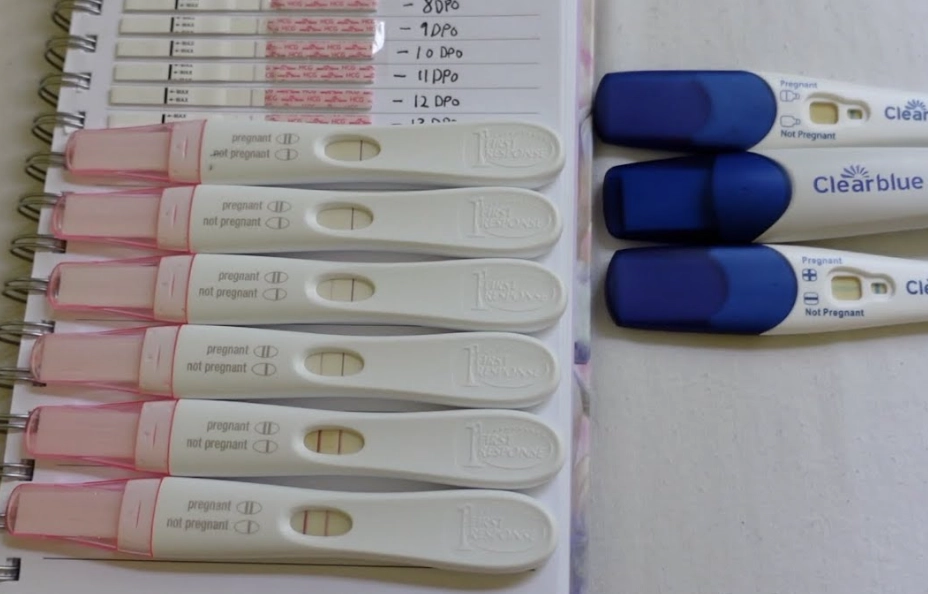
Focus on What You Can Control: Your Health
Act as if you could be pregnant. That means:
- Start or continue taking a prenatal vitamin with folic acid.
- Avoid alcohol, smoking, and limit caffeine.
- Eat nutritious foods and stay hydrated.
- Manage stress through gentle exercise or meditation.
This proactive approach is far more productive than symptom hunting.
Distract Yourself and Set a Test Date
Mark a date on your calendar for when it's reasonable to test—like the day your period is due. Until then, throw yourself into work, a hobby, or time with friends. The wait feels eternal, but keeping busy helps. I told Sarah to plan a fun outing for the weekend she was supposed to test. It gave her something to look forward to besides the test result.
Know When to Seek Help
If you've been trying to conceive for a while without success, or if you have irregular cycles, consider consulting a fertility specialist. Don't suffer in silence. Early intervention can make a difference.
Your Burning Questions Answered
Look, the desire to know immediately is human. But biology operates on its own schedule. Trying to outsmart it by testing at day one only leads to frustration. Focus on the facts, take care of yourself, and give it time. Whether you're hoping for a positive or a negative, clarity will come. Until then, be kind to yourself.
Reader Comments