Your Guide Inside
- The Very Beginning: From Conception to Implantation (Weeks 1-3)
- The Hormone Surge: When Symptoms Typically Kick In (Week 4 Onwards)
- A Week-by-Week Breakdown of Common Early Symptoms
- Diving Deeper into Each Major Symptom
- What If You Have No Symptoms At All?
- Pregnancy Symptoms vs. PMS: The Great Confusion
- Your Burning Questions, Answered
- What To Do While You're Waiting and Wondering
Let's be real. That two-week wait after trying to conceive can feel like an eternity. You're hyper-aware of every little twinge, every shift in your body. You find yourself constantly searching for answers, wondering, "How soon do symptoms start if you're pregnant?" Is that fatigue just a busy week, or something more? Is that cramping your period on the way, or a tiny embryo settling in?
I remember staring at my calendar, counting days, driving myself crazy with Google searches. The information out there is a mess—some sources say symptoms start immediately, others say weeks. It's confusing, and frankly, not very helpful when you're in that anxious, waiting phase.
So, let's cut through the noise. This isn't about medical jargon you need a dictionary for. It's a straightforward, detailed look at what actually happens, when it typically happens, and why your experience might be totally different from your best friend's. We'll talk timelines, specific symptoms, and answer all those nagging questions that pop up at 2 AM.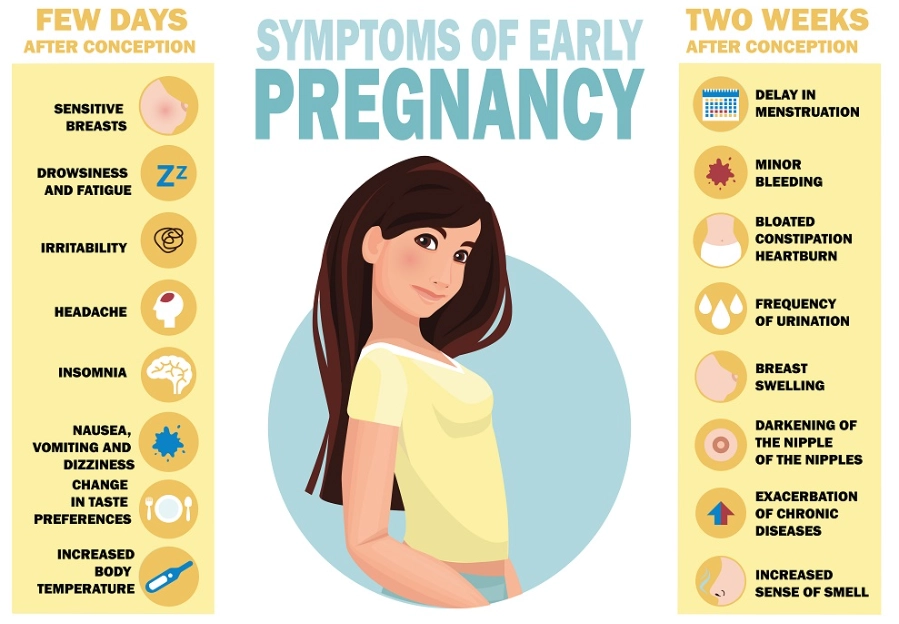
The Big Picture First: There's no single answer that fits everyone. How soon symptoms start if you're pregnant depends on a cocktail of factors: your unique hormone levels, how sensitive you are to those hormones, whether it's your first pregnancy, and even how in tune you are with your body's normal rhythms. Some women feel changes within days of conception, while others cruise well into the second month with barely a hint.
The Very Beginning: From Conception to Implantation (Weeks 1-3)
This is the silent phase. Biologically, pregnancy begins when the sperm fertilizes the egg. This usually happens in the fallopian tube. For the next 5-10 days, that tiny cluster of cells (now called a blastocyst) is traveling down to the uterus. You won't feel this journey. No symptoms here.
The first potential biological event you might notice is implantation. This is when the blastocyst burrows into the lining of your uterus. It happens about 6-12 days after ovulation (often around days 20-26 of a typical 28-day cycle).
Could You Feel Implantation?
Maybe. Some women report what's called implantation bleeding or spotting—light pink or brown discharge that's much lighter than a period and lasts a day or two. It's not guaranteed, though. Estimates suggest only about 15-25% of pregnant women experience it.
You might also feel mild cramping, often described as different from period cramps—lighter, more of a pulling or tingling sensation, and usually centralized. But again, many feel nothing at all.
Here's the tricky part: these signs are so subtle they're easy to miss or mistake for premenstrual symptoms (PMS). This is why asking "how soon do symptoms start if you're pregnant" often leads to the "implantation" answer, but it's a shaky one to rely on.
A crucial reminder: A missed period is still the most reliable early sign. All other symptoms are secondary and can be caused by many other things (stress, illness, hormonal fluctuations). Don't diagnose yourself based on cramps or spotting alone.
The Hormone Surge: When Symptoms Typically Kick In (Week 4 Onwards)
Once implantation is successful, your body gets the signal to start producing the pregnancy hormone hCG (human chorionic gonadotropin). This is the hormone detected by pregnancy tests. hCG tells your ovaries to keep producing progesterone, which maintains the uterine lining.
The rise of hCG and progesterone is what triggers most of the classic early pregnancy symptoms. This hormone shift becomes significant around the time your period is due (roughly 14 days after ovulation). So, for most women, noticeable symptoms start around week 4 or 5 of pregnancy (counting from the first day of your last period). That's about 1-2 weeks after conception.
But "noticeable" is key. You might feel "off" before you feel "pregnant."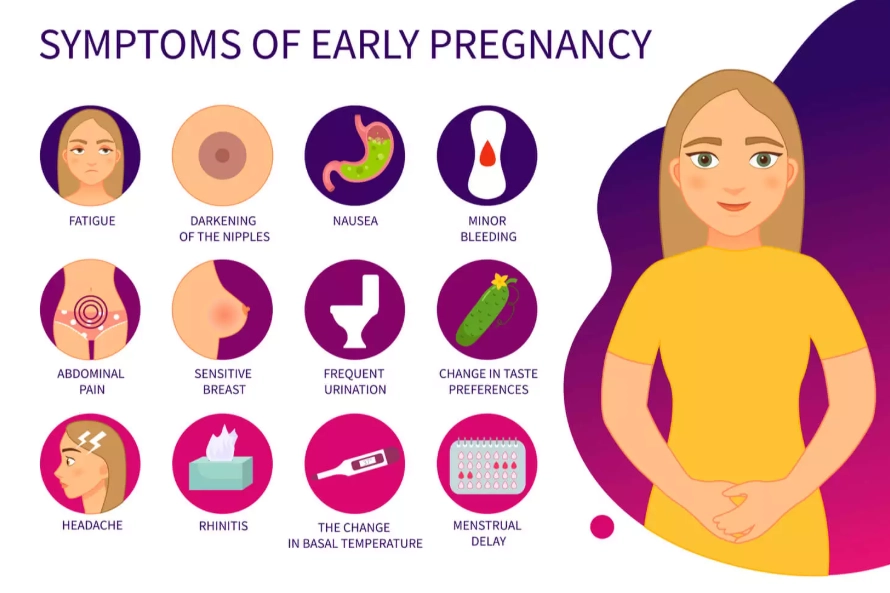
A Week-by-Week Breakdown of Common Early Symptoms
To give you a clearer picture, here's a general timeline. Remember, this is an average guide, not a rulebook.
| Pregnancy Week (from LMP*) | Key Hormonal Event | Possible Symptoms You Might Notice | How Common? |
|---|---|---|---|
| Week 3-4 | Implantation; hCG production begins | Implantation spotting/cramping, elevated basal body temperature | Spotting: Uncommon (15-25%). Cramping: Varies widely. |
| Week 4-5 | hCG levels rise rapidly; missed period | Tender/swollen breasts, fatigue, frequent urination, nausea begins, heightened sense of smell, mood swings. | Very common. This is when many first ask, "How soon do symptoms start?" and actually feel them. |
| Week 6-8 | hCG peaks (around week 8-10) | Morning sickness (can be all-day), food aversions/cravings, bloating, constipation, noticeable fatigue. | Nausea affects 70-80% of pregnant women. Symptoms often intensify. |
| Week 8-12 | Progesterone remains high | Symptoms may peak; heartburn, dizziness, nasal congestion, visible veins on breasts. | Most symptoms are common, but severity differs. |
*LMP = First day of your Last Menstrual Period, the standard way pregnancy is dated.
Looking at that table, it's clear why week 4-5 is the big one. Your body is now fully in "pregnancy mode," and the hormone levels are high enough to cause real changes.
Diving Deeper into Each Major Symptom
Let's break down what these symptoms actually feel like, because "fatigue" and "nausea" don't really capture it.
Breast Tenderness and Changes
This is often the first real giveaway for many. It's not just tenderness. It can feel like a deep, heavy soreness, a tingling sensation, or a feeling of fullness. Your breasts might feel swollen and heavy. The areolas (the area around the nipples) may darken and small bumps (Montgomery's tubercles) might become more prominent. This can start as early as 1-2 weeks after conception and is caused by the surge in estrogen and progesterone. For some, it feels like a super-intense version of pre-period breast soreness.
Fatigue
We're not talking "I need a nap" tired. This is profound, bone-deep exhaustion that can hit you like a truck in the middle of the afternoon. You might struggle to get through a normal workday. It's caused by soaring progesterone levels, increased blood production, and your body working overtime to build the placenta. It often appears suddenly around week 4 or 5.
This was my first undeniable symptom. I fell asleep on the couch at 7:30 PM for three nights in a row before I even thought to take a test. It was a different kind of tired than I'd ever felt from just being busy.
Nausea and Morning Sickness
The infamous one. Despite the name, it can strike any time of day or night. For some, it's just a constant, low-grade queasiness. For others, it involves vomiting. It's linked to hCG levels, which is why it often starts around week 6 and can improve after the first trimester as hCG plateaus. Certain smells (like coffee, meat, or perfume) can become instant triggers. I know one woman who couldn't stand the smell of her own refrigerator for two months!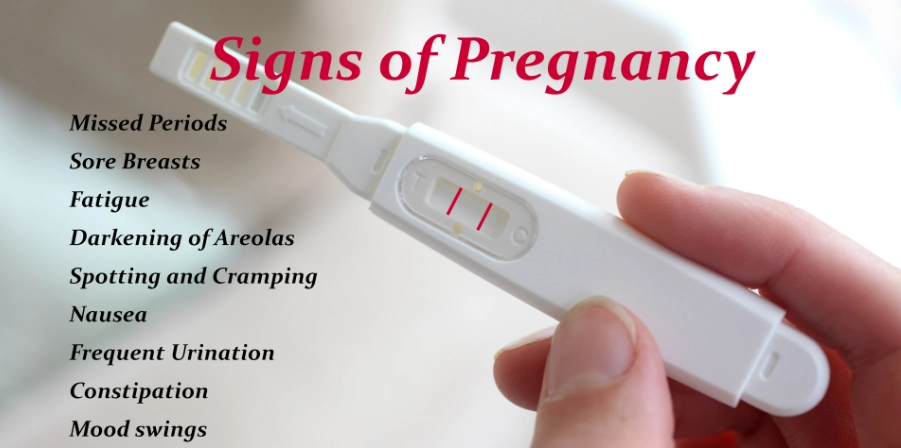
Frequent Urination
You might find yourself running to the bathroom way more often, even at night. This starts early, not because the baby is pressing on your bladder (that's later), but because increased blood flow makes your kidneys process more fluid. It's another one of those symptoms that makes you wonder, how soon do symptoms start if you're pregnant—and the answer can be as soon as week 4.
Mood Swings
Feeling tearful over a commercial, then irrationally angry about a misplaced pen? Blame the hormones again. The rapid shift can cause emotional volatility that feels a lot like PMS, but sometimes more intense. Your brain chemistry is literally being altered.
What If You Have No Symptoms At All?
This is a huge source of anxiety, but it's more common than you think. Some women have remarkably easy first trimesters with minimal discomfort. The absence of symptoms does not mean something is wrong. Every pregnancy is unique. Some bodies just handle the hormonal changes with more grace. If you have a confirmed pregnancy (via test and doctor) and feel fine, consider yourself lucky!
However, if you have strong symptoms that suddenly disappear very early on, it's worth a call to your healthcare provider for peace of mind.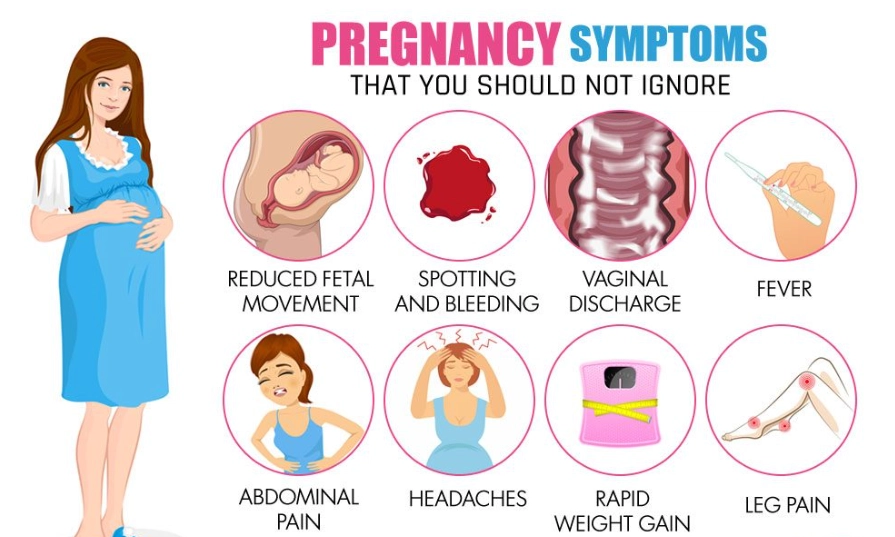
Pregnancy Symptoms vs. PMS: The Great Confusion
This is the core of the problem, right? The signs are so similar. Here's a quick cheat sheet to help you differentiate, though it's still not foolproof.
- Cramping: PMS cramps are often stronger, more consistent, and lead directly into a full flow. Implantation/pregnancy cramps are usually milder, intermittent, and stop without a period arriving.
- Breast Tenderness: PMS tenderness often improves once your period starts. Early pregnancy tenderness tends to persist or even increase.
- Fatigue: PMS fatigue is real, but pregnancy fatigue is often next-level.
- Mood Swings: Similar for both, honestly.
- The Bottom Line: The only definitive differentiator is a missed period followed by a positive pregnancy test. Trying to symptom-spot is a recipe for stress.
Your Burning Questions, Answered
- Severe abdominal/pelvic pain (not mild cramping).
- Heavy bleeding (soaking a pad in an hour), especially with clots or tissue.
- Severe dizziness or fainting.
- Painful urination (could indicate a UTI, common in pregnancy).
- Severe nausea and vomiting where you can't keep any food or liquids down (Hyperemesis Gravidarum).
What To Do While You're Waiting and Wondering
The limbo is the worst part. Here are some practical steps:
- Start taking a prenatal vitamin with folic acid NOW. Folic acid is crucial for preventing neural tube defects in the very early weeks, often before you even know you're pregnant. The CDC recommends all women of reproductive age take 400 mcg daily.
- Avoid alcohol, smoking, and recreational drugs.
- Try to eat a balanced diet and stay hydrated, even if you're feeling queasy (ginger tea or crackers can help).
- Listen to your body. If you're exhausted, rest. Don't push yourself.
- Distract yourself. Obsessing over every sensation will only increase anxiety. Plan a fun outing, watch a movie series, dive into a hobby.
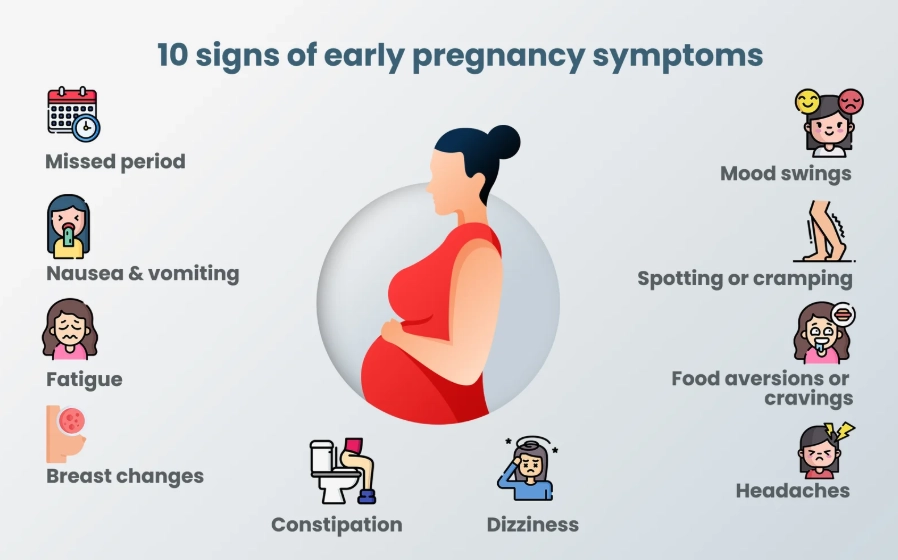
So, to wrap it all up, asking how soon do symptoms start if you're pregnant opens a door to a world of individual variation. For the majority, the curtain rises around weeks 4 to 6, with the hormonal symphony of hCG and progesterone conducting the show. But your body is the soloist, and it will perform its own unique version.
The most solid advice? Pay attention, but don't obsess. Track your cycle, know your body's norms, and let a missed period and a reliable pregnancy test be your primary guides. All the rest—the soreness, the fatigue, the queasiness—is just your body doing the incredible, ancient work of building a new life. And it's okay if that work starts with a whisper for you, or with a bang for someone else.
Now, take a deep breath. You've got this.
Reader Comments