Welcome to the second trimester, often called the "honeymoon phase" of pregnancy. For many, the nausea subsides, energy returns, and you might even feel...good. This is precisely when your baby kicks into high gear, developing bones, muscles, and a working nervous system. Your body is building the placenta, increasing blood volume, and preparing for breastfeeding. What you eat now isn't just about avoiding deficiencies; it's about actively constructing a healthy human and powering your own changing body. A generic "eat healthy" mantra won't cut it. You need a targeted strategy.
Let's ditch the vague advice and build a practical, week-by-week approach to eating from month 4 to month 6.
What’s Inside: Your Quick Guide
What's Different Now? Second Trimester Nutrition Demands
The first trimester was about survival and foundational development. Now, it's about expansion and specialization. Your calorie needs increase, but not by a massive amount—only about 300-350 extra calories per day. That's roughly a yogurt and a handful of almonds. The real shift is in the type of nutrients you need more of.
Think of your body as a construction site. In the first trimester, you laid the foundation. Now, you're erecting the frame, wiring the electricity, and plumbing the pipes. The materials have to be specific.
Protein: The Building Block
Your protein needs jump to about 75-100 grams daily. This isn't just for baby's muscles; it's for your growing uterus, placenta, and increased blood supply. I see many women focusing on fruits and veggies but skimping on protein at lunch. A salad is great, but without a solid protein source (chicken, fish, tofu, beans), you'll be hungry in an hour and miss a crucial building block.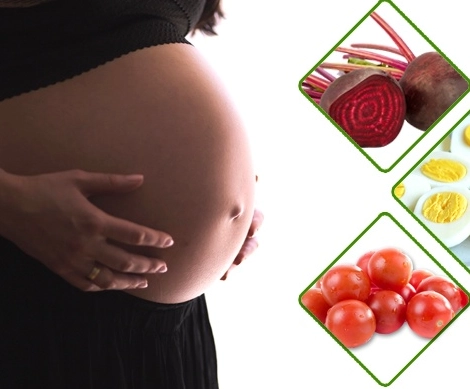
Iron: Oxygen Delivery System
Your blood volume increases by up to 50%. Iron is essential to make hemoglobin, the protein in red blood cells that carries oxygen to you and your baby. Low iron leads to fatigue, shortness of breath, and can increase risks. The RDA for pregnant women is 27 mg per day. A common oversight? Not pairing iron-rich foods with vitamin C to boost absorption. Spinach with lemon juice, lentils with tomatoes—it makes a difference.
Calcium & Vitamin D: The Skeleton Crew
Baby is drawing about 250mg of calcium per day from you to build its skeleton. If you don't consume enough, your body will leach it from your bones. Pair calcium-rich foods with vitamin D (from sunlight or fortified foods/supplements) for optimal absorption.
Building Your 4-6 Month Pregnancy Diet Chart
Forget restrictive meal plans. Think of this as a daily framework you can adapt. Here’s a sample day based on expert recommendations from sources like the American College of Obstetricians and Gynecologists (ACOG).
| Time | Meal/Snack | Food Ideas & Nutrition Focus |
|---|---|---|
| 7:00 AM | Breakfast | Greek yogurt parfait: Layer Greek yogurt (protein, calcium), mixed berries (antioxidants, fiber), and a sprinkle of chia seeds (omega-3s, fiber). Hydrate with a glass of water. |
| 10:00 AM | Morning Snack | Apple slices with almond butter. Healthy fats from the almond butter help you absorb the vitamins in the apple and keep you full. |
| 12:30 PM | Lunch | Lentil soup with a side of quinoa salad and avocado. Plant-based protein and iron from lentils, fiber from quinoa, and healthy fats from avocado. Squeeze lemon (vitamin C) over the lentils to boost iron absorption. |
| 3:30 PM | Afternoon Snack | Hard-boiled egg with a handful of cherry tomatoes. Quick protein and choline from the egg, lycopene and vitamin C from the tomatoes. |
| 6:30 PM | Dinner | Baked salmon (omega-3 DHA, protein) with roasted sweet potatoes (beta-carotene, fiber) and steamed broccoli (calcium, vitamin C). A perfectly balanced plate. |
| 8:30 PM | Evening Snack (if needed) | A small bowl of oatmeal made with milk. Complex carbs and calcium can promote better sleep. |
This isn't about perfection. Some days you might swap the salmon for grilled chicken or tofu. The key is the pattern: protein at every meal, fruits/veggies at every meal, healthy fats, and complex carbs. It keeps your blood sugar stable and provides a steady stream of nutrients.
The 3 Most Common Diet Mistakes (And How to Fix Them)
After working with hundreds of expectant mothers, I've noticed patterns. Avoiding these pitfalls can make your second trimester much smoother.
- Mistake 1: Skipping Breakfast or Making It Too Small. Your body has been fasting all night. A piece of toast won't cut it. You need protein and some fat to stabilize hormones and energy. Fix: Make breakfast your most reliable meal. Prep overnight oats or hard-boil eggs on Sunday.
- Mistake 2: Drinking Water Only When Thirsty. By the time you feel thirsty, you're already mildly dehydrated. This can lead to fatigue, headaches, and even Braxton Hicks contractions. Fix: Carry a marked water bottle. Aim to finish one by noon, another by 4 PM, and a third by bedtime. Add cucumber or mint for flavor.
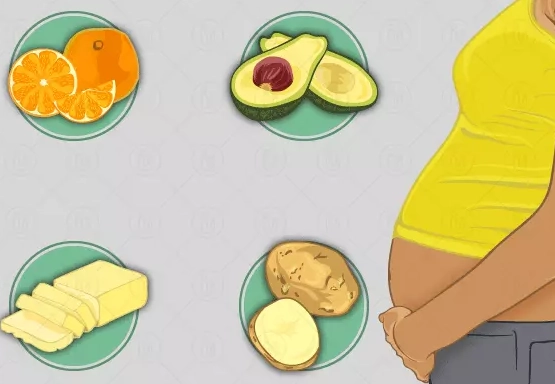
- Mistake 3: Fear of All Carbs. Complex carbohydrates are your brain's and baby's primary fuel source. Avoiding them can leave you drained and craving sugar. Fix: Choose high-quality carbs: sweet potatoes, quinoa, oats, beans, and whole-grain bread. Pair them with protein or fat to slow digestion.
One more subtle point: many women increase their vegetable intake but stick to the same three (lettuce, carrots, cucumbers). Try to "eat the rainbow" across the week. Dark leafy greens (iron, folate), red peppers (vitamin C), purple eggplant (antioxidants), orange sweet potatoes (vitamin A). Each color provides a different set of phytonutrients that support overall health.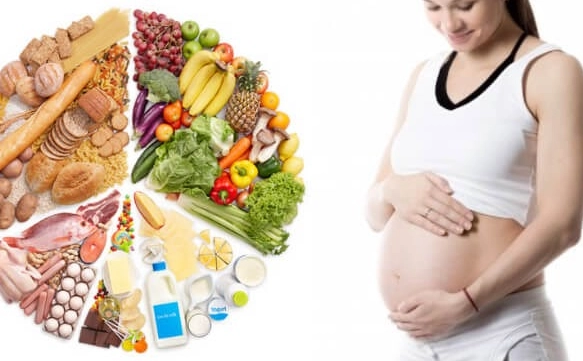
Your Second Trimester Food Questions, Answered
Your second trimester is a powerful time. By focusing on a balanced, nutrient-dense diet chart, you're not just "eating for two" in terms of quantity, but in terms of quality. You're building resilience for yourself and providing the precise materials your baby needs to thrive. Listen to your body, use this framework, and enjoy this special phase.
Reader Comments