Quick Guide to Navigating This Article
- The Basics: What's Actually Happening at 4 Weeks?
- The Physical Feelings: A Symptom Checklist
- The Emotional Rollercoaster: What Nobody Warns You About
- When to Worry: Red Flags vs. Normal Quirks
- What To Do Next: Your Action Plan at 4 Weeks
- Frequently Asked Questions (The Stuff You're Secretly Googling)
- Final Thoughts: Your Experience is Valid
So you think you might be four weeks pregnant. Maybe you're staring at a faint line on a test, or your period is just... late. Your mind is probably racing. What is supposed to happen now? What does 4 weeks pregnant feel like, anyway?
Let's get one thing straight right away. For a lot of women, the answer is... not much. And that's perfectly okay. It can be a weird, silent time where your body is doing this monumental thing internally, but you're not quite clued in yet. Other times, your body sends signals so clear you can't ignore them. There's no single right way to feel.
I remember when I was at this stage. I spent hours googling every tiny twinge, convinced something was wrong because I didn't "feel pregnant enough." Looking back, I wish I had a guide that just laid it out plainly, without the medical jargon and alarmist warnings. So that's what this is.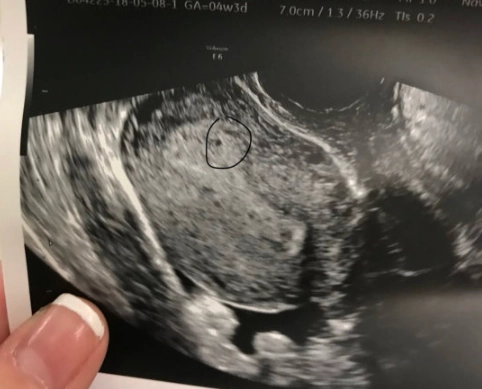
The Basics: What's Actually Happening at 4 Weeks?
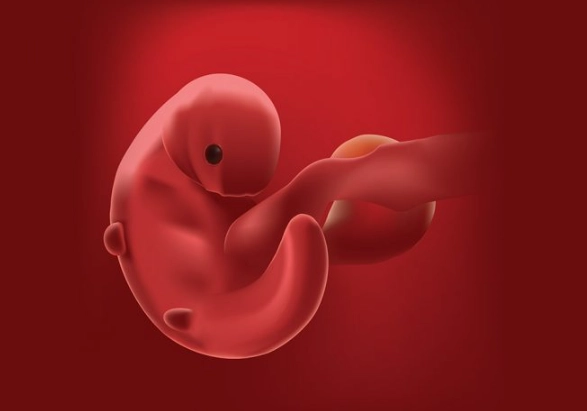
First, a tiny bit of science to ground us. At four weeks pregnant, you're technically in the second half of your first month. Conception happened about two weeks ago. Right now, the fertilized egg has travelled and implanted itself in your uterine lining. It's now called a blastocyst, and it's busy dividing like crazy. The part that will become the placenta is starting to form and produce the pregnancy hormone hCG (human chorionic gonadotropin).
This hCG is the star of the show. It's the hormone that turns a pregnancy test positive, and it's largely responsible for many of the early symptoms you might start to notice. Your body is just beginning to ramp up production, so levels are still relatively low but rising fast.
Fun (and slightly weird) fact: Even though you're called "4 weeks pregnant," you've only actually been pregnant for about 2 weeks. Pregnancy dating starts from the first day of your last menstrual period (LMP), not from conception. It's confusing, I know. The medical world works in mysterious ways.
The Physical Feelings: A Symptom Checklist
Alright, let's dive into the nitty-gritty. What does 4 weeks pregnant feel like in your body? Here’s a breakdown of the most common physical sensations, from the super common to the less-talked-about.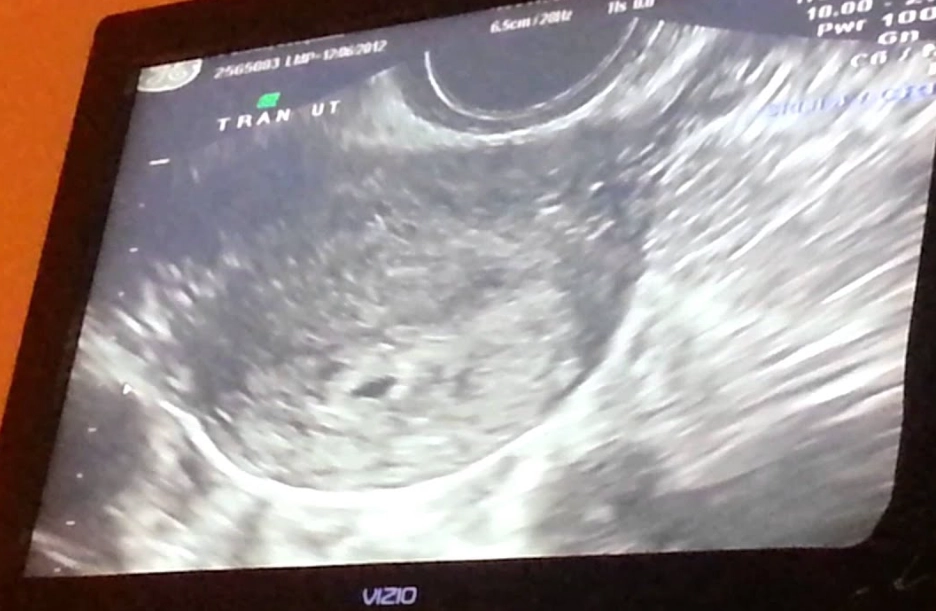
The Usual Suspects (Very Common)
Fatigue. This isn't just normal tiredness. It's a deep, bone-weary exhaustion that can hit you like a truck in the middle of the afternoon. You might feel like you could nap on a bed of rocks. This is due to soaring progesterone levels and your body working overtime to build a new life-support system. Don't fight it—rest when you can.
Tender, Swollen Breasts. Your breasts might feel sore, heavy, or tingly. The area around the nipples (the areola) could darken a bit. It feels similar to how your breasts feel before your period, but often more intense. A good supportive bra, even to sleep in, can be a game-changer.
Mild Cramping. Light cramping or a pulling sensation in your lower abdomen is totally normal. It's often due to the uterus expanding and the ligaments stretching. It's easy to mistake this for period cramps, which adds to the confusion. If the cramps are severe, one-sided, or accompanied by bleeding, call your doctor.
Spotting (Implantation Bleeding). About a quarter of women experience some light spotting around the time their period is due. It's usually pink or brown, not red, and much lighter than a regular period. It's caused by the embryo burrowing into the uterine lining. Not everyone gets it, so don't worry if you don't.
The Less Glamorous Symptoms (Also Common)
Nausea (Morning Sickness). It can start as early as week 4 for some unlucky souls, though it more commonly peaks around weeks 6-9. It's not just in the morning—it can strike any time. For me, it was a constant, low-grade queasiness, like mild seasickness. Bland carbs (crackers, toast) and small, frequent meals helped a bit.
Heightened Sense of Smell. Suddenly, the smell of coffee, your partner's deodorant, or the fridge might become overwhelmingly strong and unpleasant. This superpower (or curse) is another progesterone side effect.
Frequent Urination. Yes, already. Your kidneys are working more efficiently, and your growing uterus is putting slight pressure on your bladder. Get used to knowing the location of every bathroom.
Food Aversions or Cravings. You might suddenly be repulsed by foods you usually love (for me, it was chicken). Or you might develop a powerful, specific craving. Listen to your body, but try to make healthy choices where you can.
What You Probably Won't Feel (And That's Okay)
Don't expect a baby bump. Your uterus is still tucked deep inside your pelvis. You also won't feel the baby move—that comes much later, around 16-25 weeks. The absence of dramatic symptoms doesn't mean anything is wrong. Every pregnancy is unique.
| Symptom | How Common? | What It Feels Like | Quick Tip |
|---|---|---|---|
| Fatigue | Extremely Common | Deep exhaustion, needing naps | Listen to your body & rest. Don't guilt-trip yourself. |
| Breast Tenderness | Very Common | Sore, heavy, sensitive to touch | Invest in a soft, wire-free bra. |
| Mild Cramping | Very Common | Like mild period cramps, pulling | A warm (not hot) bath can help. Monitor for severity. |
| Nausea | Common (but often starts later) | Queasiness, aversion to smells/food | Keep plain crackers by your bed. Eat before you get up. |
| Frequent Urination | Common | Needing to pee more often | Stay hydrated, but cut back a bit before bed. |
| Mood Swings | Very Common | Sudden tears, irritability, anxiety | Talk it out. Hormones are powerful—be kind to yourself. |
The Emotional Rollercoaster: What Nobody Warns You About
Honestly, the physical stuff is only half the story. When people ask "what does 4 weeks pregnant feel like," they often forget to ask about the mind. Emotionally, this period can be wild.
Anxiety and Worry. This is huge. You might be worried about miscarriage (the risk is highest in the first trimester). You might stress about whether you're ready, about money, about telling people. The "what-ifs" can be paralyzing. I found myself checking for bleeding constantly. It's a natural response to a massive life change.
Disbelief and Surreality. Even with a positive test, it can feel completely abstract. You don't look pregnant, you might not feel *that* different. It's easy to think, "Is this even real?"
Excitement and Joy. Bursts of pure happiness are in there too! You might feel a secret glow, a sense of purpose, or overwhelming love for your partner (or for no one in particular!).
Irritability. The hormones surging through you are no joke. You might snap at your partner over trivial things or feel disproportionately angry at a slow driver. It's not you, it's the progesterone. Try to take a breath before reacting.
A Real Talk Moment: If your anxiety feels overwhelming, constant, or is interfering with your daily life, please talk to your doctor. Perinatal anxiety is real and treatable. There's no shame in asking for help. Resources from organizations like Postpartum Support International can be a good starting point for understanding your mental health.
When to Worry: Red Flags vs. Normal Quirks
This is the part that causes the most stress. Let's clarify.
Normal (Annoying, but Normal): Mild cramping (like period cramps), light spotting (brown or pink, not filling a pad), fatigue, nausea, breast tenderness.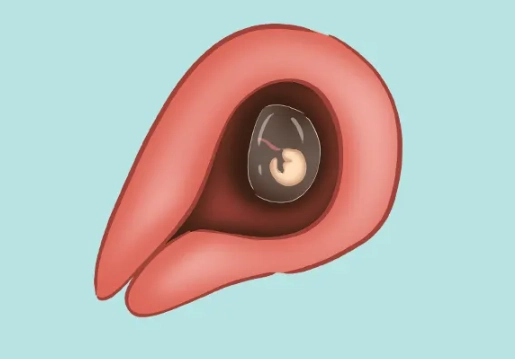
Call Your Doctor or Midwife:
- Severe abdominal pain or cramping, especially if it's sharp or concentrated on one side.
- Heavy bleeding that soaks through a pad in an hour, or bright red bleeding with clots. The American College of Obstetricians and Gynecologists (ACOG) provides clear guidance on when to seek immediate care for bleeding in early pregnancy.
- Severe dizziness or fainting.
- Painful urination (could be a UTI, which is common and needs treatment).
Trust your gut. If something feels really off, even if it's not on a list, make the call. It's always better to get reassurance.
What To Do Next: Your Action Plan at 4 Weeks
Okay, you're processing the feelings. Now what?
1. Confirm the Pregnancy. If you haven't already, take a home pregnancy test with your first-morning urine (it has the highest hCG concentration). If it's positive, it's almost certainly correct. False positives are very rare.
2. Start (or Continue) Taking Prenatal Vitamins. The most critical ingredient right now is folic acid (at least 400 mcg). It's crucial for preventing neural tube defects, which develop in the first month. Don't panic if you haven't been taking them—start today.
3. Call to Schedule Your First Prenatal Appointment. This might feel like a big step! Most providers won't see you until you're 8-10 weeks along. When you call, they'll note your LMP and book you out. It feels like forever to wait, but it's standard.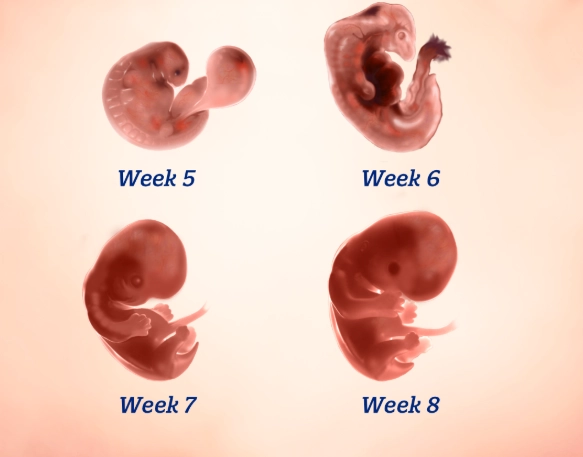
4. Take a Hard Look at Your Lifestyle.
- Stop drinking alcohol, smoking, and recreational drug use.
- Limit caffeine to under 200mg per day (about one 12-oz coffee).
- Avoid high-mercury fish, unpasteurized dairy/cheeses, and undercooked meat/deli meat unless heated steaming hot.
- For comprehensive, evidence-based guidelines on food safety, the CDC's page on pregnancy and food safety is an excellent resource.
5. Be Kind to Yourself. This is the most important step. Rest. Eat what you can keep down. Drink plenty of water. Talk to your partner or a trusted friend. You're doing a huge thing.
Pro-Tip from Experience: Start a simple journal or notes app entry. Jot down how you're feeling physically and emotionally each day. It helps you see patterns, provides something concrete to discuss with your doctor, and will be a fascinating thing to look back on later.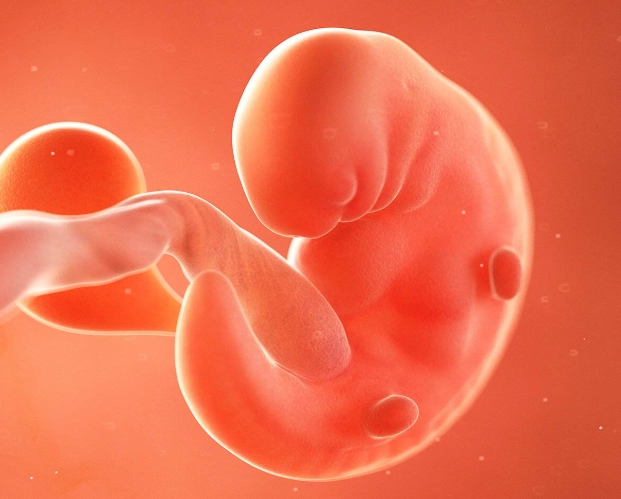
Frequently Asked Questions (The Stuff You're Secretly Googling)
I have no symptoms at 4 weeks. Is that bad?
Not at all. Consider yourself lucky for now! Many women sail through the first few weeks with minimal symptoms. The absence of symptoms is not a sign of a problem. Every body reacts differently to pregnancy hormones.
My symptoms came on strong and then disappeared. Should I panic?
This is a super common fear. Symptoms, especially early on, can come and go in waves as your hormone levels fluctuate. It doesn't necessarily mean anything is wrong. Try to stay off "Dr. Google" and wait for your scheduled appointment. The anxiety spiral is real, and it's not helpful.
When will I start to show?
Not for a while. Most first-time moms start showing between 12-16 weeks. At 4 weeks, your uterus is still the size of a poppy seed—it's all happening on the inside.
Is it safe to exercise?
Generally, yes! If you were active before, you can usually continue at a moderate intensity. Listen to your body—if you're exhausted, take a walk instead of a run. Avoid activities with a high risk of falling or abdominal impact. The ACOG recommends at least 150 minutes of moderate-intensity aerobic activity per week for healthy pregnant women.
When should I tell people I'm pregnant?
There's no right answer. Some people tell close family immediately for support. Others wait until after the first trimester (12-13 weeks) when the risk of miscarriage drops significantly. Do what feels right for you. There's no obligation.
Can I still have sex?
In a normal, low-risk pregnancy, yes, sex is safe throughout pregnancy. You might not feel like it due to fatigue or nausea, and that's okay too. Communication with your partner is key.
Final Thoughts: Your Experience is Valid
So, what does 4 weeks pregnant feel like? It can feel like a secret. It can feel like exhaustion. It can feel like worry, joy, nausea, disbelief, and sore breasts all rolled into one.
The most important thing to remember is that your experience is your own. Don't compare your symptoms to your friend's or to stories online. A textbook-perfect set of symptoms doesn't guarantee anything, and a lack of them doesn't mean failure.
This early stage is about listening—to your body, to your instincts. Take the practical steps: the prenatal vitamins, the doctor's call, the lifestyle tweaks. But also tend to your mind. The emotional journey is just as significant as the physical one.
You're at the very beginning of an incredible, challenging, and transformative road. Be gentle with yourself. One day at a time.
Reader Comments