In This Guide
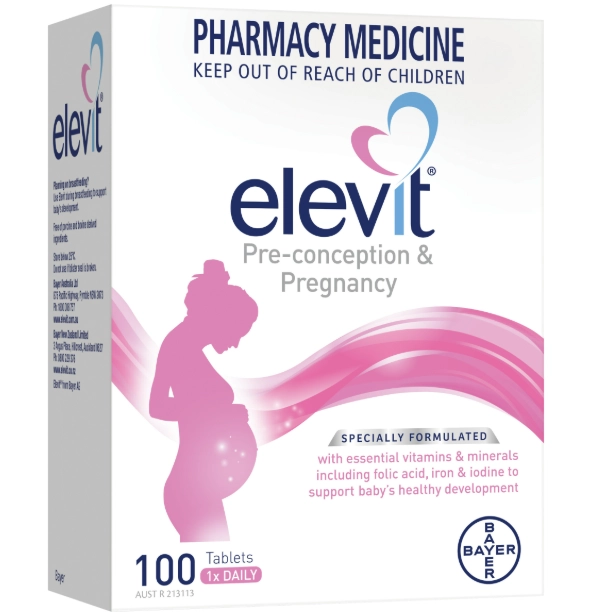
So you're pregnant, or maybe you're planning to be, and you've typed those exact words into Google: "Which tablets are best for pregnancy?" The search results are overwhelming, right? A sea of bottles with smiling women on them, all promising to be the perfect prenatal vitamin. It's enough to make your head spin, and honestly, it made mine spin too when I was first looking. I remember standing in the pharmacy aisle for what felt like an hour, comparing labels and prices, feeling completely lost. Is the most expensive one automatically the best? Does it need to have DHA? What about iron – how much is too much?
Let's just take a deep breath. The quest to find the best tablets for pregnancy isn't about finding a single magical pill. It's about understanding what your body and your growing baby fundamentally need during this incredible, demanding time. It's about matching a supplement to your specific diet, your health, and even the trimester you're in. Some products are great for early pregnancy nausea, while others are formulated more for the later stages when iron demands shoot up. There's no one-size-fits-all answer, but there is a clear framework for making a smart, informed decision.
Key Idea: The "best" prenatal tablet isn't a universal champion. It's the one that most effectively fills the nutritional gaps in your diet and aligns with your specific pregnancy journey, from conception through breastfeeding.
This guide is here to be your roadmap. We're going to ditch the marketing fluff and get down to the science-backed essentials. We'll talk about the non-negotiable nutrients, compare some of the top contenders you'll see on shelves and online, and tackle the real-world questions like how to keep them down if you're battling morning sickness. My goal isn't to sell you a specific brand, but to give you the tools to confidently answer that question for yourself: which tablets are best for pregnancy, for me?
The Absolute Must-Haves: What Your Prenatal Tablet Simply Cannot Miss
Before we even look at brand names, we need to agree on the basics. Think of this as the ingredient checklist. If a product is missing one of these, it's probably not a serious contender for the title of best pregnancy tablet. Organizations like the American College of Obstetricians and Gynecologists (ACOG) and the National Institutes of Health (NIH) are clear on these priorities.
Folic Acid (or Folate): The Neural Tube Superhero
This is the big one, the headline act. Folic acid is crucial for preventing major birth defects of the baby's brain and spine, known as neural tube defects (like spina bifida). The critical window for this is very early in pregnancy, often before you even know you're pregnant. That's why doctors recommend starting it when you're trying to conceive.
The standard recommended dose is 400 to 800 micrograms (mcg). Some women with certain risk factors might need more, prescribed by their doctor. You'll see some brands use "methylfolate" instead of folic acid. This is the active, ready-to-use form of folate. It's a good, sometimes better option, especially for women who have a common genetic variation (MTHFR mutation) that makes it harder to process regular folic acid. Personally, I found the switch to a methylfolate-based prenatal made a difference in how I felt, but that's just my experience.
Iron: For Blood, Energy, and You
Pregnancy basically doubles your need for iron. Your body is making a lot more blood to supply the placenta and your baby. Iron is the key component of hemoglobin, which carries oxygen. Low iron means anemia, and that means crushing fatigue, weakness, and dizziness – as if pregnancy wasn't tiring enough!
Most prenatal vitamins contain around 27 milligrams (mg) of iron, which is the Recommended Dietary Allowance (RDA) for pregnant women. The catch? Iron is notoriously hard on the stomach. It can cause constipation and nausea. Some brands use gentler forms like ferrous bisglycinate, which I found to be a game-changer compared to the standard ferrous sulfate that made me feel awful.
Heads Up: Never take an iron supplement "just in case" without talking to your doctor. Some conditions, like hemochromatosis, mean you need to avoid extra iron. A simple blood test can check your levels.
Calcium and Vitamin D: The Bone-Building Duo
Your baby needs a massive amount of calcium to build its skeleton. If you don't get enough from your diet, your body will pull it straight from your own bones. Not ideal for your long-term health. Vitamin D is essential because it allows your body to actually absorb and use that calcium.
Here's a common pitfall: most prenatal tablets don't contain the full RDA of calcium (1,000 mg) because calcium is a bulky mineral. Adding it all would make the pill huge. So, they'll include a smaller amount (like 200-300 mg) and expect you to get the rest from food (dairy, fortified plant milks, leafy greens). Vitamin D is usually included, but amounts vary widely from 400 IU to 2,000+ IU. The Endocrine Society suggests pregnant women may need 1,500-2,000 IU daily, especially with limited sun exposure. This is one area where you might need an additional supplement on top of your prenatal.
DHA (an Omega-3 fatty acid) is another critical one, especially for baby's brain and eye development. Many prenatals now include it, but not all. Iodine is vital for thyroid function and baby's brain development, and it's another one that's sometimes overlooked in cheaper formulas.
A Quick Look at How Some Popular Brands Stack Up on the Basics
This isn't an exhaustive list, but it gives you a feel for the landscape. Remember, the presence of a nutrient is just the first step – the form and dose matter too.
| Brand (Example) | Key Feature | Folic Acid/Folate | Iron (Form) | Includes DHA? | My Honest Take |
|---|---|---|---|---|---|
| Ritual Essential Prenatal | Traceable ingredients, delayed-release capsule | 1,000 mcg (Methylfolate) | 18 mg (Ferrous Bisglycinate) | Separate capsule | Great for transparency & gentle iron, but pricey and the minty smell/taste is polarizing. |
| Nature Made Prenatal Multi + DHA | Widely available, USP verified | 800 mcg (Folic Acid) | 27 mg (Ferrous Fumarate) | Yes, in one softgel | A solid, no-frills workhorse you can get anywhere. The iron form can be harsh for some. |
| SmartyPants Prenatal Formula | Gummy format, includes Omega-3 | 600 mcg (Methylfolate) | **No Iron** | Yes (from fish oil) | Tasty and easy to take, but the lack of iron is a major flaw. You'd need a separate iron supplement. |
| Thorne Basic Prenatal | High-quality, active ingredients, hypoallergenic | 1,700 mcg DFE (Folate from Cal Folinate) | 45 mg (Ferrous Bisglycinate) | No | Beloved by nutritionists for its premium forms. Very high iron dose, which is too much for many. |
See what I mean? SmartyPants gummies are often marketed heavily, but missing iron is a huge red flag for a main prenatal. Thorne's iron dose is exceptionally high, which could be problematic. This is why reading the label is everything.
Beyond the Pill: Matching the Supplement to Your Pregnancy Stage
Your needs change as pregnancy progresses. The best tablets for pregnancy in the first trimester might not be the ideal choice in the third.
First Trimester: The Survival Phase
Nausea and food aversions rule here. The primary goal of your supplement is to get those critical early nutrients (especially folate) into you, even if you can't keep much else down. Tips for this stage:
- Take at night: Taking your prenatal right before bed can help you sleep through any nausea it might trigger.
- Consider splitting the dose: If one big pill makes you gag, see if you can take half in the morning and half at night.
- Gummy option: For severe nausea, a gummy vitamin (like SmartyPants) plus a separate, gentle iron supplement prescribed by your doctor might be a temporary solution. It's not perfect, but keeping folate in your system is the priority.
The morning sickness struggle is real. Sometimes, just getting any vitamin down feels like a victory.
Second & Third Trimesters: Building Baby
As nausea (hopefully) fades, the demands for iron, calcium, and DHA ramp up significantly. This is when you want to ensure your prenatal is robust in these areas. You might also start feeling the physical strain – backaches, leg cramps. Magnesium and calcium become even more important players for muscle function.
If you weren't taking a prenatal with DHA before, the second trimester is an excellent time to start or to add a separate DHA supplement if yours doesn't include it. The baby's brain is in a massive growth spurt.
Pro Tip: Don't take your calcium-rich prenatal at the same time as your iron supplement or a high-iron meal. Calcium can inhibit iron absorption. Space them out by at least 2-3 hours. Take iron with vitamin C (like a glass of orange juice) to boost absorption.
The Real-World Test: Tolerability, Cost, and Where to Buy
A vitamin can have a perfect label on paper, but if it makes you feel sick or is impossibly expensive, it's not the best for you.
Tolerability is King: The gentlest form of iron (bisglycinate), a capsule you can open and mix into food (like some powder forms), or a delayed-release capsule designed to dissolve later in the intestines can make all the difference. I tried a very highly-rated one early on that gave me such intense heartburn I had to stop after three days. It wasn't a bad product, it was just a bad product for my body.
Cost vs. Value: Prenatals range from $10 a month to over $50. Subscription services offer convenience. Store brands at pharmacies are often USP-verified and contain identical ingredients to name brands at half the price. Check for third-party verification seals (USP, NSF, ConsumerLab.com) – they mean the product actually contains what it says and is free from contaminants.
Prescription vs. Over-the-Counter: Some doctors prescribe prenatals. These are often covered by insurance, which is a huge plus. They are perfectly good and complete. However, they sometimes use the less expensive, harder-to-tolerate forms of nutrients (like ferrous sulfate for iron). If a prescription one works for you and is free, that's fantastic. If it causes issues, you can discuss alternatives with your doctor.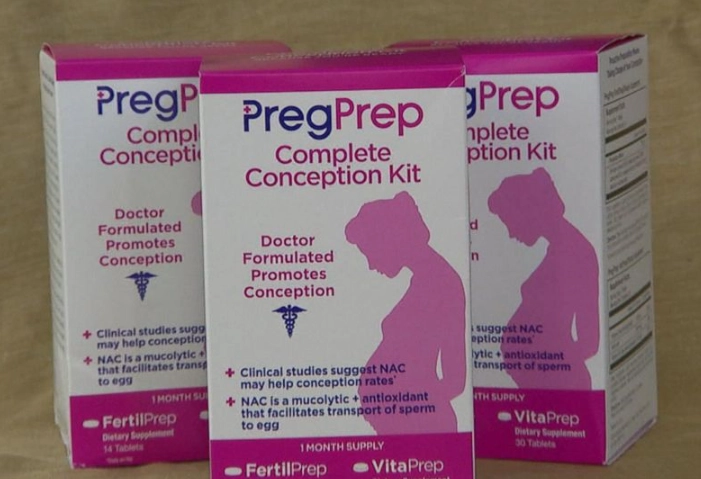
Answering Your Burning Questions
My Two Cents: I remember my midwife telling me, "The prenatal is for the baby. Your diet is for you." That really stuck with me. It took the pressure off trying to eat "perfectly" every single day and framed the vitamin as a non-negotiable part of the job.
- Morning Sickness: Vitamin B6 (pyridoxine) is a well-known, evidence-backed helper for nausea. Many prenatals include 20-50 mg. Some doctors recommend taking an additional B6 supplement (up to 100 mg total per day) for nausea relief. Ginger supplements are another common, gentle option.
- Leg Cramps: Magnesium and calcium deficiency are often linked to those painful night-time charley horses. A magnesium glycinate supplement in the evening, alongside your calcium-rich foods/prenatal, can provide relief for many women.
Putting It All Together: Your Action Plan
So, after all this, how do you actually choose? Let's make it simple.
- Start with the Checklist: Folic acid/folate (600-800 mcg), Iron (~27 mg, gentle form preferred), Calcium (note how much is in the pill), Vitamin D (aim for 600-2000 IU), DHA (200-300 mg), Iodine (150 mcg).
- Consider Your Personal Context: Are you nauseous? Look for gentle, delayed-release, or gummy+iron options. Vegan? Check the sources. Prone to constipation? Prioritize ferrous bisglycinate and maybe extra magnesium.
- Read the Label & Look for Seals: Don't just look at the front marketing. Turn the bottle over. Check the forms of nutrients. Look for a USP or NSF verification seal for peace of mind.
- Talk to Your Healthcare Provider: Bring your top 2-3 choices to your next appointment. They know your health history, can check your bloodwork for specific needs (like iron or vitamin D levels), and give the final green light.
- Be Prepared to Switch: The first one you try might not be the one. That's okay. Listen to your body. If it causes unbearable side effects, go back to step one with new information about what you can't tolerate.
Finding the answer to "which tablets are best for pregnancy" is a personal puzzle. It combines hard science with your individual body's response. By focusing on the essential nutrients, understanding how needs shift, and prioritizing tolerability, you can move from feeling overwhelmed in the pharmacy aisle to feeling confident and empowered with your choice. After all, you're doing one of the most important jobs there is – building a healthy foundation for your little one.
Reader Comments